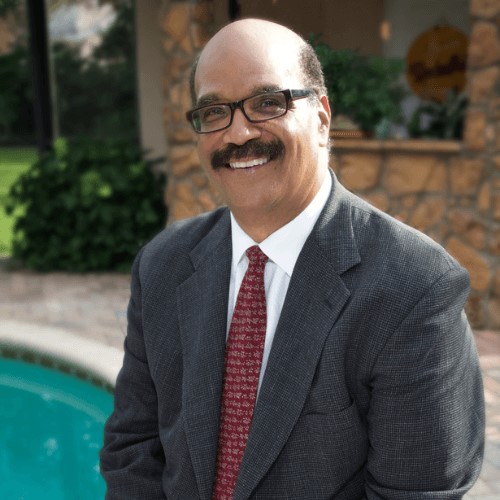
In this episode of the Brain and Life Podcast, Dr. Daniel Correa is joined by Emmy award-winning broadcaster Mark McEwen. Mark shares his inspiring journey of recovery after suffering a stroke at the age of 52, which led to aphasia. He discusses his broadcasting career, the challenges he faced during recovery, and the importance of hope and resilience. Dr. Correa is then joined by Dr. Rachel Forman, a stroke neurologist and Assistant Professor of Neurology at Yale School of Medicine. Dr. Forman explains stroke risk factors, the importance of awareness, community health initiatives, and access to healthcare to prevent these life-altering events.
Follow and subscribe wherever you get your podcasts!
Apple Podcasts Spotify Libsyn
Resources Mentioned
Other Brain & Life Episodes on this Topic
- Understanding Stroke with Dr. Laurel Cherian
- Solving the Stroke with Will Shortz
- Matt and Kanlaya Cauli on Rebuilding Life After Stroke
Follow us!
- Guest: Dr. Rachel Forman @YaleNeurology
- Hosts: Dr. Daniel Correa @NeuroDrCorrea; Dr. Katy Peters @KatyPetersMDPhD
- X: @BrainandLifeMag
- Instagram: @BrainandLifeMag
- Facebook: Brain & Life Magazine
We want to hear from you!
Have a question or want to hear a topic featured on the Brain & Life Podcast?
Record a voicemail at 612-928-6206, or email us at BLpodcast@brainandlife.org.
Episode Transcript
Dr. Correa:
From the American Academy of Neurology, I'm Dr. Daniel Correa.
Dr. Peters:
And I am Dr. Katy Peters, and this is the Brain & Life podcast.
Dr. Correa:
Welcome back. This week, Dr. Katy Peters is on break for the holidays. I hope you and those close to you had a wonderful time together over a delicious table of food. And I just got back myself from a break with some family in Florida. Now, back in New York and this cold, I'm adjusting and preparing for the winter. But hey, at least we have our winter holidays and the Winter Olympics to look forward to. So what are you struggling with in caring for yourself and your brain health as we transition into this colder weather? I know for me, it's often figuring out what are the right layers, gloves, mittens, hats, the combinations that are comfortable, and I don't get too hot in, to still exercise outside. Because I still just love an opportunity to be around nature and the trees. I mean, I'm in New York City a lot, so if I can get a chance to get into Central Park and get some more nature, it's always a pleasure.
Or even just to go on walks with our dog. Sometimes it's a whole different kind of layer for an exercise outside as opposed to just a leisurely walk where the dog wants to stop and smell and I'm freezing in the wind. And I do love, in the winter, aside from those challenges, I love settling in for the night. Coming home from work for a cozy evening soup or just some other meal and the warmth of those nights together in the winter. So I think those are the things I'll be working on and looking forward to. So this week, I hope this episode and our guest discussions give you some ideas on defining your purpose during this time and your own brain health journey through this winter. Today, we'll hear from Mark McEwen, a former broadcaster who suffered a major stroke with aphasia at age 52 and his rehabilitation journey and the return of his voice.
Then I'll talk with Dr. Rachel Forman from Yale New Haven Hospital and Neurology about stroke, blood pressure control, and hers and others amazing efforts to connect with community members about stroke awareness and prevention. I really hope you enjoy this episode.
Welcome back to the Brain & Life Podcast. Now, today we're joined by someone whose voice many of you may know. Emmy award-winning broadcaster Mark McEwen, who for years was a familiar face on CBS this morning. Mark spent more than 15 years as a broadcaster for CBS, serving as an anchor and an entertainment reporter, a weatherman, lots of different jobs and hats. And he's interviewed presidents, world leaders, cultural icons. And then in 2005 at age 52, Mark suffered a major stroke leading to an onset of aphasia. His recovery journey has been long and complex, and we're glad that he's here today to help share with us his own perspectives about his experience with speech therapy, rehabilitation, and redefining his career. Thank you, Mark, for using your voice to raise awareness and your story about stroke and recovery and joining us here today.
Mark McEwen:
Thank you very much. And also, you're quite welcome. This is a treat. It's great that you're doing what you're doing. Raising awareness is a good thing.
Dr. Correa:
So I wanted to go back before all that. So we set it up where we're going, but many of our listeners may know you from your years on CBS, whether your voice or your face. But can you take us back to those broadcasting years and career before the stroke? What did your day-to-day look like in the studio or in the field?
Mark McEwen:
Okay. Before CBS, I was a rock and roll DJ. Baltimore, Detroit.
Dr. Correa:
Let's go there.
Mark McEwen:
Chicago, New York. Playing what kids today call classic rock. Back then it was just rock and roll. Zeppelin, the Stones, AC/DC, Journey. And it was a hoot working four hours a day and you had 20 hours to get ready for the next four. But that was a day of records and headphones and people calling in and all that. It was a great time. And working on the radio in New York was... I worked at WNEW-FM, which, I met Scott Muni. I always used to say, "If NEW-FM was a Vatican of rock and roll, he was the Pope, Scott Muni." Okay. Did that. Got fired twice in New York. I never got fired before. Ask anyone in radio. They have pretty much... I bet you they have a getting fired story. So the second time, the guy was putting together the morning program on CBS.
He thought to himself, "I think I found my weatherman." So I went in and he said to me, I had one suit, most DJs have one. So I go in and, "How do you feel about doing the weather?" And truth was, I could care less about doing the [inaudible 00:05:46]. I was like... I thought they wanted to talk about me being the anchor. The weather guy. And I said, "I could do the weather." He said, "You'd be great at it." Well, I'd won an audition, "And do me a favor. Don't tell anyone." I said, "Okay." Went downstairs. Told everybody. I couldn't tell enough people. So I had... The studio was packed with CBS people. Bob Shanks was standing next to the camera. He said, "I'm going to ask you some questions and when you answer, answer to the camera right next to me. And is there a way I can lead you into your comedy?"
I used to do standup comedy. And I said, "Ask me [inaudible 00:06:26] vacation recently." Then he says, "Where'd you go on vacation recently?" I said, "Jamaica. Everyone in Jamaica has an accent. 'Where are you from, man?' 'Where are you going, man?' 'What's your name, man?' Even the dogs, 'Bark, bark, man.'" And they all laugh.
That's got me the job. Now, when working in CBS News, when you're in a room full of comedians, say something hopefully funny, they smile. If you're in a room full of news guys, you say something funny, they fall right on the floor because they're not used to that. That helped me. I was used to adlibbing and all that. And so entertainment was a whole another thing. In radio, you were interviewing people all the time. Listeners, Tom Hanks talking about Big, the movie, all that. So I assumed it would be the same at CBS. But being the weatherman, uh-uh. What you did was just the weather. Honk, honk, beep, beep. I kept saying, "Hey, hey, hey." And finally, my first interview was Tommy James, of Tommy James and the Shondells.
And it was me and the anchors looked like we were a press conference. Tommy James was sitting there and the director said, "Let him do it from now on." And did that for 16 years. And that's the story.
Dr. Correa:
Who was one of the people that you interviewed that surprised you the most?
Mark McEwen:
Before I answer that question, I'll say when I anchored, you would interview politicians. I didn't like that. I'll tell you why. Bill Clinton was being impeached at that time. In comes Congressman Barr from Georgia. I'm sitting there and I say, "Why do you want to impeach Bill Clinton, President Clinton?" And he says, "Water's wet. Grass is green. Clouds are white. And the sky is blue." I'm thinking, "I didn't ask you that." So I asked him again, "Why do you want to impeach President Clinton?" "Gravel is next to the road. Lawns are... When you cut them, the grass is lower." I thought, see, when you ask a celebrity a question, they, "No one's ever asked me." I used to live for that phrase. "No one's ever asked me that before." Politicians came in with their answers and they would answer what they came in with. Didn't like that.
So, golly, John Travolta. I'll tell you a Travolta story. One of my boys, I interviewed him... God, I can't remember the movie. The one where he played someone like Bill Clinton before he got elected. And so he came in, but we did the interview at the hotel up in the presidential suite because his movie was about Presidential. He ordered one of everything on the menu and took a bite of each one. He's feeding me.
I'm thinking, John Travolta is feeding me cheesecake." But I always say, "Do your homework, do your research. Because the answer to the first question you ask can negate all the other questions you have lined up. And if you haven't done your homework, you're lost."
Dr. Correa:
Such a wild variety of situations and experiences. And over all those years, putting together those experiences, meeting so many cultural icons of our society. And if you could take us there, what do you remember about that day that you had your stroke and what were the first symptoms? How did you recognize what was even going on and that something was wrong?
Mark McEwen:
Truth was, before I had a stroke, I knew zippity do dah about strokes. After I had one, I know enough that I could fill a room with info. So I'm at the airport, BWI, Baltimore/Washington International Airport. I go through the X-ray machine. All of a sudden, my right leg doesn't feel quite right. It doesn't feel quite right. I call my wife and I tell her, and she says, "Eat something." Because sometimes if you eat something, it goes away. I couldn't eat anything. And there I was next thing I knew in an ambulance going to the hospital. And the doctor misdiagnosed me. He said I had the stomach flu. He didn't say anything about stroke. If he had, we wouldn't be having this conversation. And so I go home. And as I'm flying back on the airplane, man, it was like you couldn't move. All you saw colors and you're hoping the flight attendants will come back and say something.
And never did. So when we landed, I had the wherewithal to have a wheelchair waiting for me. And so as I'm getting off a plane, stumbling back and forth, they think I've been drinking. I hadn't had a drop. But that's part of equilibrium, all that. So the skycap takes me through the airport and never says a word to me. I'm trying to dial my phone. My hands don't work. Finally, he leaves me curbside by myself. I was dying. And finally I got through my wife. I said, "Help me. Not good." And she about lost her mind. "Hand the phone to someone who can dial 911." And a guy comes out of baggage claim to smoke a cigarette. He's heavy, smoking a cigarette. We both know both of those aren't that good. And he says," Do you want me to take that phone?" And I barely remember.
He talked to my wife, he dialed 911, ambulance came, he goes back into the baggage claim. I wouldn't know him if he walked in right now, but he's a reason why I believe in angels. Because that guy saved my life. And so off I went to the second hospital in a couple of days. And the nurse said, "When did you first notice you were having a stroke?" I said, "A couple of days ago." Because you know there is a clot-busting drug you can take within three hours or so after your first notice of having a stroke that minimizes the damage. I long past that period. So my adventure began. And I was in a coma for two days, intensive care for a week, hospital for a month, rehab for a year. I had to learn to walk and talk all over again and had to learn to do things that you don't think about.
Now you have to think about them. Things like when you talk, your muscles don't move like they used to. So you have to make sure that they're moving like they used to. And there are words that give me trouble, Saturday, literary, peanut butter. Those are words you stumble over. I do. But if you know they're coming, you slow down so you can say peanut butter. But I'm lucky. I'm lucky because people see me now and they don't... "You got a stroke?" But when you have one, you never forget. And so, I'm lucky because I have some residue and this arm, right arm, shakes and all that. I do everything left-handed. I was, after my stroke, writing. And they said, "Practice." And my writing was squiggly. And I thought, "Heck with this. I'll do everything left-handed." Now, you know it wasn't like one day I'm going to be ambidextrous.
No, it was, "Okay. I'm going to do it this way so I can help myself." These days I shave left-handed. I put my contacts in left-handed. I eat left-handed. I drink left-handed. So there I am.
Dr. Correa:
So you've done a lot of intentional work in your recovery. And I want to get back to some of the speech and the recovery and a point, but I wanted to remind our listeners, and depending on your perspective, I would point out for each of you that Mark's stroke at age 52, from the perspective of the neurologists and specialists, we still consider that stroke in the young. It's before most people have had a lot of the risk factors that lead to stroke in the young. And please, this will continue a series of various episodes we've had about stroke. We've had over five different episodes. In terms of stroke in the young, I'd like you guys to go back and check out the Stroke in the Younger Patients episode that we did with journalist Kristen Aguirre. And then the episode that we did with Peloton instructor, Bradley Rose, on Returning to Life After Stroke. Both from over a year ago, but can be excellent resources for some of the beginning information that we're going to be building on as we continue this discussion.
And as Mark talked about, that before his stroke, he didn't know anything about stroke. My next thing was going to ask you if you knew, what you knew, about risk factors and other things, but you already plainly clearly said there is so many things people can start with. But as we continue that, and we'll continue that, we'll have some of that discussion with our medical expert, but wanted to get back to your own experience with the recovery. And you've spoken about living with aphasia, a condition that directly affects your ability to communicate. And as someone whose career and all the different hats you wore was built on your voice and communication, what was it like to suddenly face this barrier, not just in the moment when you couldn't talk to someone at the airport, but literally for the years ahead?
Mark McEwen:
I think the word is terrible. It was terrible. I didn't know how bad a stroke could be. If I had known that, I would've been more terrified. But I was like, okay, I had rehab five days a week, three hours a day, a speech, occupational, and physical. You had to walk, make sure you were doing just right and all that. I say, you have to make the odds work in your favor. I go to the gym quite often. I don't do a whole bunch, but I do the treadmill, upright raise, for half an hour. What that does is raises your blood pressure level to where you can make it go down a bit. And try to eat correctly. I always say if they had told me I could never have chocolate chip cookies again, I would have eaten every one I could find, but you can have them, you just can't have them every day.
Once in a while. You can have ice cream once in a while. But again, I go to the grocery store at Publix here. I see people that I think, "That's not good." They're overweight, they're smoking. I'm thinking... You want to go up to them and say, "Don't do that." But you can't. But you learn as you go along. When you're in a room full of other stroke survivors, you can speak in shorthand because they know exactly what you're talking about. So we share stories, experiences. And I give all credit to my parents because as I say, they put no give up in this dog. And so what happened was I was like, "Okay." And off I went, off I went. So you have to be persistent. You can't stop and feel sorry for yourself. You can't do that. Because that's easy. It's harder to overcome and come back.
Dr. Correa:
And to be clear, these aren't things that you were doing as consistently for yourself beforehand. You have learned these skills to help yourself recover. And it's not that you had the stroke in spite of trying to already eat well and doing a lot to exercise. When they did evaluate you for possible causes, sometimes in stroke in the young, we look for a lot of the other things that could have led to the stroke beyond the typical risk factors. Did they find other things that you were unaware of?
Mark McEwen:
Well, I suffered from high blood pressure. Everyone I knew in news has high blood pressure. I thought that was because of the gig. So you live with that. That led me to having a stroke.
Dr. Correa:
Now, for you, I would imagine there was a substantial amount of self-doubt, but did you also feel stigma from those that you previously worked with and interacted with about your aphasia and your speech changes?
Mark McEwen:
[inaudible 00:19:56] say too dumb to know how bad a condition it was I was in. So you're busy trying to chase a car. You're busy trying to get better as opposed to, "Oh, you don't do that." So you're busy doing that. Again, I repeat myself, if I'd known how bad it was, it might have been different. I didn't know. I didn't know. So now post-stroke, I've lost 50 pounds. Like I said, I go to the gym, eat right and correctly, and pay attention because stroke has no compassion. Stroke doesn't pick just them. They go to whoever. They don't care. Man, woman, Black, white, tall, short, they don't care. They don't care.
Dr. Correa:
And what have been some of the things that you worked at, the types of therapies and strategies that have helped you improve and rebuild your ability to speak and communicate?
Mark McEwen:
Well, you mentioned my voice. Man, I had to read out loud every day. I still should. I don't. But I do every now and again. But it was learning words that were easier to say pre-stroke than they were post-stroke. I'll tell you a funny story. I went to Atlantic City to be a keynote speaker for a stroke convention. The night before Get Well Hello Party and all the teachers and all that are there. And I had a glass of water in my left hand and a watch on my left hand. A person said, "What time is it?" I carefully moved the glass of water to my right hand, started to look at my watch. And this hand started shaking. I spilled the water right on [inaudible 00:21:49]. Funny now, but aghast back then. But, yeah, you had to do reading a lot and writing a lot.
And at first, I'll be honest, I had no idea. Well, I couldn't read the paper or nothing. Slowly but surely that all came back.
Dr. Correa:
Were there things that your partner or family helped you with or had to push you to do in terms of moving forward with this rehab, both either with your speech or mobility?
Mark McEwen:
Well, I always say fear is a great motivation. I have twins and they're now 21. They'll be 22 in like two weeks. But they're my boys. You want to be there for them. So that was great motivation to get me to continue to do things.
Dr. Correa:
And in the recovery from a stroke, it can be, as you even described for yourself, long. And for some people, sometimes very unpredictable too, with ups and downs. What role did your family, community, other colleagues play in supporting you through this?
Mark McEwen:
My wife, who drove me to rehab and went through the whole thing, she was scared to death, but she never let on. I'll tell you a story. I was in a coma and the doctor came in and said, "We need your help. We can raise his blood pressure. It will either save him or kill him. Your decision." Gee, she was there with my sister. She's my sister's best friend. And she said, "Okay. Raise the blood pressure." Saved my life. Saved my life." But that is something that people don't want to be part of. Normally it's, "I don't want cake or cookie." The easy decisions, not life-saving decisions.
Dr. Correa:
And has that changed the kind of discussions that you've had now with your wife and your kids about helping and being there for each other and those kinds of very difficult decisions if they were to come up again in the future?
Mark McEwen:
Yes. When you're a parent... I was lucky. I had great parents. Great parents. Loving, would help you to go a certain way. My mom was very sweet, but if you didn't say please to her when you wanted something, she'd fold her arms and look at you. And you say, "Oh, please." She'd go, "Okay." So you teach them manners and you teach them helping people. You teach them to overcome things. And hopefully you pass all that onto them so they, when something like that comes into view, they're ready for that. You know as well as I do, how ready can a person be for something like that? It just hits you and it is, as Popeye says, "I yam, what I yam." so it happens. But if you are prepared for it, you're a bit more prepared when it happens, if that makes any sense.
Dr. Correa:
Yeah. Absolutely. And each person's story and especially with stroke is unique in their own way. For our listeners, if they want to hear another in a different perspective, check out our past episode and/or articles with Timothy Omundson on his stroke recovery and his return to television. And as you've mentioned, I think there's the part that some people, even if they didn't know a whole lot about stroke, when they start to learn a little bit, they kind of expect. There's the physical changes. And then for people who have a change in either thinking or speech, they think about that. But life and stroke recovery and recovery from other neurologic conditions throws curve balls. So recovery from stroke is not only physical, it can be emotional. And other cognitive challenges that aren't the ones that immediately people think of. Can you tell us a little bit some more about the other things that aren't really told about in the first few days at the hospital that you experienced in terms of mood, fatigue, and memory issues?
Mark McEwen:
Well, memory issues. I kind of remembered things, kind of didn't. I have, I told you, learned to walk and talk. They had me like Frankenstein with moving ties on either side of me so I could walk down the hall. I couldn't walk. I remember the first time I took a shower by myself, I cried. Because they wouldn't let me do that. They were afraid I'd fall down, bump my head. I have videos of when I first came home, I'll be honest, they're awful. I could barely talk. But again, as things would go along, I wrote a book called Change in the Weather. It was about my stroke and all that. So I published that in 2008. Like we were talking, there were so many things I didn't know. Strokes, again, are like snowflakes. They're all different. So you try to pass on to people things that can... They help me and hopefully they can help them as well.
Dr. Correa:
Yeah, absolutely. And you said the first time you were able to get in the shower yourself, that just made you fall apart and cry. Were there other times that you were surprised by an unexpected emotional impact of what was going on or times that you even felt fear for yourself in being able to do something that you weren't sure you could?
Mark McEwen:
The very first time after my stroke I drove, it wasn't like 10 miles, it was just down the road, straight road, I cried. Because I thought I would never drive again. Then when I went to rehab after my stroke, you learned I couldn't listen to the radio, couldn't talk on the cell phone, I had to pay attention. And there were drivers that were worse than me who'd never had a stroke. So I'd get to the rehab place and I drove there and they were like, "What time do you normally get here and what direction do you come from?" They were there a different time coming from another [inaudible 00:28:43]. But it is what it is. You just tried to move through it. And like I said, too stupid to know how scary it was. And here I am. It's been 20 years post-stroke. I still have my equilibrium.
Sometimes it's not great, and this arm, I can't walk. It's just different. But you learn as you get older, it is what it is. This is me. And so my job is to, as I see it, is to help other survivors. Help other survivors to deal with the new reality.
Dr. Correa:
Yeah. And in that way, I mean, since all of this, you've continued to work together with the community as an advocate and bringing greater awareness for those living after stroke and those living with aphasia from different conditions. What message would you want people listening today, whether they're survivors, care supporters, friends, to take away from your own story?
Mark McEwen:
That's another good question. Aphasia. Man, I'll tell you what, you're right. As a guy who made his career on the voice and just saying things that people, "Oh, that's Mark McEwen." They know my voice. You had to learn. My advice would be is, don't give up. Because people... I've done a TED talk and I talk about this. When you hit something like that, a lot of people turn around and go home. Can't do that. Pick yourself up.
Don't have to pick yourself up and get back into the fray. Just pick yourself up. And you have to be diligent on doing things like that. As far as I know, you're here one time. And while you're here, you have to make it, your movie, work. And so when people have aphasia or they have a stroke and they turn around and go home, you're not making that movie work. You have to turn around, face the fire, and go forward. And that sounds bad, but the gifts you get from doing just that kind of offset the whole thing. But it's 24/7. 24/7.
Dr. Correa:
Now, and you mentioned what you said and described as the angel at the airport, but if you could go back there and give yourself or maybe your wife in the ICU when she didn't have someone else there to help her, and give them advice, before, at that moment, what would you say to you or your wife in that moment of uncertainty?
Mark McEwen:
I didn't know at the time how serious it was. I know now. But my advice, I've said all along, "Don't give up. Don't give up. And make those odds work for you."
Dr. Correa:
Yes.
Mark McEwen:
If you're overweight and smoking, well, guess what? Those odds aren't working for you. You have to make them work for you. Like I said, I see people all over. I think, "That's not good. That's not good." But you see, you live for people saying, "You don't look like you've had a stroke." Thank you very much.
Dr. Correa:
Now, we've heard from Mark's moving story about his own life living after stroke and with aphasia to help us better understand these conditions. Next up, we'll be joined by a colleague and stroke expert to discuss types of strokes, how it can lead to aphasia, and some of the latest approaches to stroke prevention, the acute treatments, and then recovery and rehabilitation.
Mark, thank you so much for sharing your story and your time and honesty and laughter with us. Your journey really shows even if and when life changes in these unexpected ways that resilience, hope, and the support of those around you can help us move forward.
Mark McEwen:
I always say you're a good thing. What you're doing is Johnny Appleseed, spreading awareness. And that's a good thing. I applaud you for that.
Dr. Correa:
Thank you very much. And for our listeners, you can learn more about Mark McEwen and his book, After The Stroke: My Journey Back to Life. You can check out also his website. That information and other resources will be included in the show notes. We hope today's conversation reminds you that you're not alone and to keep moving forward.
Mark McEwen:
Thank you, my friend.
Dr. Correa:
Are there questions you have about living with and thriving with one of many neurologic conditions? We're excited to start taking your questions and feedback and sharing those responses here with you on the podcast. You can also email or record an audio message and send it to blpodcast@brainandlife.org.
Welcome back. Now, admittedly, today I'm in a different setting than my discussion with Mark McEwen, so you might hear some just general podcast background music from the nature around me. And now we're joined by Dr. Rachel Forman, a stroke neurologist and assistant professor at Yale School of Medicine. Dr. Forman cares for people with stroke and cerebral vascular disease at Yale New Haven Hospital, where she focuses also on stroke prevention and post-stroke blood pressure control and the long-term recovery. But her work extends far beyond the hospital. Dr. Forman is the faculty advisor for the Stamp Out Stroke program, a Yale community outreach program that brings stroke education into schools, senior centers, and neighborhoods. Especially in under-resourced areas. And she recently received the American Academy of Neurology's grant to expand this work and tailor it to each community's needs. Since then, she also became the director of Yale Neurology's community engagement efforts.
She also leads research in areas about stroke prevention and health disparities, and we're glad to have her here joining us on the podcast. Thank you so much, Rachel, for being here with us and updating our community so clearly on these important issues.
Dr. Forman:
Thank you so much for having me. It's an honor to be here and to be speaking with people about a subject that I'm so passionate about.
Dr. Correa:
So, Rachel, we just heard from Mark and he described his stroke, his experience living with aphasia. From your perspective as a stroke neurologist, what parts of that story of someone, especially even working in a vocal occupation, are most typical for what you see and what parts surprise you with some of the people and patients that you see?
Dr. Forman:
That's a great question. It's so common for people to lose their identity in the blink of an eye with a stroke, whether it's someone who speaks for a living and develops aphasia or inability to speak, or in someone that plays a sport and can no longer have that coordination, or plays an instrument. Or even just someone that has kind of a run-of-the-mill job and can't communicate or get around anymore. It's very devastating. But what I like to focus on is that power of the recovery and people's will to get better and strength and the beauty they find in that recovery process, like I'm sure you discussed. And for me, that's very special to be a part of that recovery process.
Dr. Correa:
Yeah. I think Mark was a perfect example of that power and hope that he pushes forward with. And really enjoyed hearing his perspective. Now, I think a lot of people might be more aware of the idea of, you have a stroke and a lot of times that comes with some weakness in a part of your body. Or maybe it changes how you walk. But there's less understanding, I think, on how it can affect many of our other functions. So what happens in the brain, and is it different when a person comes in with aphasia as a part of their stroke, as opposed to some of the other things that people are more typically used to seeing?
Dr. Forman:
It can definitely play a part in that if people aren't able to recognize the symptoms right away. Sometimes it might be something subtle, like inability to understand, or someone might think that the person's intoxicated or just acting strange or on drugs even is an example I've heard of when people come in with aphasia. So there might not be that immediate recognition that it could be a stroke. The good news is for the most part, we do recognize, at least in the hospital, if someone is not speaking or having what we call that word salad where they're just not making sense, that that is something that's a red flag for us to look for. It can sometimes go along with someone being weak on one side of their body or losing vision. But anytime someone has a sudden onset of a speech problem, or we can even go back to the FAST acronym, face, arm, speech, time to call 911.
I think if there's ever any question, that's a good one to just kind of go back to and ask someone to smile, lift their arm, lift their leg. And then speech. That's the S. So it is very important. And that's one of our missions is to teach everybody about FAST and recognizing the symptoms, even if they might not be the ones that people think about right off the top of their head.
Dr. Correa:
Yeah. And we've mentioned before that FAST acronym, but really to refresh that for our listeners, some people may have seen or heard of the FAST acronym as you just went through or BEFAST. How are they different? And can someone come in with just one of those symptoms as part of their stroke?
Dr. Forman:
Definitely. So BEFAST is balance and eyes. So they did expand fast to incorporate more symptoms that someone can present with if they're having a stroke. So sometimes if someone all of a sudden can't walk, they're bumping into walls is a common thing we hear. And then eyes is for any sort of loss of vision, usually in either one eye or one side of the world. Usually not blurry vision, but double vision. Any sort of vision change. We are kind of going back and forth with FAST and BEFAST. I think now there's more of a trend back towards FAST because they found that that is a little bit better for retention. But whatever someone can remember, and I just tell people, if you have a sudden onset of a symptom, you imagine, and we can go into this, what exactly is happening when a stroke occurs in the brain, it's something that's sudden.
So that symptom is going to happen suddenly. It's not going to be, "Oh, I didn't feel well and it got worse and worse with this or that." It's like one second the person is okay and the next second they're not okay because of what's happening. So I always tell people to err on the side of caution, even if it's something that... People don't want to call 911, they're embarrassed. There's so many barriers. Cost, you name it. But the alternative could be not getting the treatment that people need. So whatever you remember the stroke symptoms by, I would go with that acronym.
Dr. Correa:
Yeah. And I know some of the times in my experiences in the hospital, especially with someone who comes in with a stroke, whether it's just aphasia and by just, just limited to those symptoms, not as just the quality of the symptoms. But they often will look different from their recollection of what someone else in their family had as a stroke and they wonder why. So I'm asking then if you can help explain, for our listeners who may have not caught some of our past episodes on stroke, why is it that sometimes a stroke will come with aphasia or balance issues and not those typical symptoms that other people are aware of with like weakness in an arm?
Dr. Forman:
Yeah. So what we can do maybe is take a step back and think about what's actually happening when a stroke occurs. So there are two types of stroke. The most common type is a clot stroke or an ischemic stroke where a blood clot will go into an artery or a vessel of the brain and it prevents blood from getting past it. Then the area that's dependent on that blood is now starved of oxygen and it's going to start to actually die off rather quickly because our brain really needs that. The other type of stroke, which is less common, but equally as serious is a hemorrhagic stroke or a bleeding type of stroke. So what happens there is the artery or vessel will break open and have local blood pooling in the area and causing damage nearby to those same areas that are damaged with the blood clot type of stroke.
So on the outside, you can't tell which type of stroke someone is having. Sometimes people say, oh, with a bleeding type, you get a headache. But you really can't know until you get that person into a scanner and figure out if it's a bleed or not a bleed. So depending on what type of stroke that person is having, that will affect the way they're treated. Now, if we go back to what part of the brain is affected, is going to be where that blood flow is going. So if the blood flow that's now blocked off is supplying a language center, which is often on the left side of the brain, you might not be able to talk anymore. Same goes for the left side of the brain often controls the right side of our body. So you might not be able to use your right hand or the whole right side might go weak.
So it just depends on where that artery is that's now either bleeding or blocked off. And whatever territory of the brain that supplies is going to be the symptom that manifests on the outside.
Dr. Correa:
Yeah. So, I mean, I like to sometimes think of our brain or relate them to computers. So I can see how disconnecting the monitor, then you may not see anything. Or if one or two of the apps that you use for writing something, like our language, are disconnected, then you won't have that in the same way that you had before. So I think that's a helpful way of approaching it. Now, we talked about Mark in his case, came in with aphasia. But there's different types of aphasia, and are there some that you've seen less often recognized by community members?
Dr. Forman:
That's a great question. There's so many different types of aphasia. I was ironically just teaching this on the stroke service a few days ago. I think for the general population, there is what we call an expressive aphasia where you lose the ability to express yourself or speak. That can look as serious or severe as literally not getting any words out where you might get one word out and then you're getting really frustrated because you can't get the next one out. And it's really just one word every few minutes even. Also, you could have the opposite type where you don't understand. What we call a receptive aphasia. Where you're speaking. You think you're speaking okay. That's what I referred to earlier as that word salad phenomenon. But it's really coming out and no one understands what you're saying. And unfortunately, some people will have both together. If they have a large artery blocked off, oftentimes it will affect both.
The entire left hemisphere, for instance, might cause this. If that's blocked off from brain tissue that's not getting oxygen anymore. And the person might not be speaking or making any sounds or not following any commands. They might be completely mute. Sometimes it can just be something where the cadence of the speech is off. It can be very subtle sometimes. If there's a part of the brain in the deep structure where sometimes it doesn't really fit to a certain receptive or expressive. And that's our job. I mean, the job for people who are experiencing this or their family or friends is to get them to the hospital and then we can try to figure out where this is coming from, what needs to happen. Eventually, most people will get an imaging, usually an MRI, where it'll show us exactly where the stroke occurs.
Dr. Correa:
Yeah. I think that's helpful for people not to be set in this idea that aphasia, whether it's from a stroke or from another injury to the brain, means that you can't produce language or word. But it's really that sudden loss or a loss of ability to communicate. And it might be no words, it might be a whole mix of words, and we'll separate all the rest of it out. Mark talked about that day of his stroke and how quickly things changed. And you were just talking about some of those key symptoms and warning signs to look at for. When there are key warning signs, what should they or someone around them do in that moment?
Dr. Forman:
Call 911. And that is because every second that that brain is not getting oxygen from the blood vessel, either broken and bleeding or blocked off from a clot, you have millions of nerve cells dying. And oftentimes it's irreversible. And this is part of the work that I've done with local folks in New Haven is trying to understand why someone might not call 911 because sometimes people do know that something's wrong and they choose either to wait, call a provider, or even take a nap. And there are lots of reasons why someone might not want to call 911. It's not just that they don't know. They might not want to have to deal with the cost of it. Maybe they don't trust the type of care they're going to get at the hospital. They're worried about their insurance status. They have other things to do to take care of.
They have young children or family members. There's so many things that go into that decision. But the repercussions of not getting to the hospital and being able to get the time-sensitive treatment is so devastating. And it's just so important to address what those barriers are instead of just having this blanket message, "Yes. Call 911." But for some people, you need to go a step deeper and really talk about... We have resources to help pay and give that extra layer of education to try to help people understand and get to the emergency room.
Dr. Correa:
Yeah. I mean, it sounds like, one, it's call 911. And then maybe your second call is to someone that is close to you that can help you navigate those other support areas and barriers. But in your community outreach and education work, what have been some of the other most common myths or misunderstandings when it's not just a social barrier that you hear about stroke symptoms or a mini stroke or just general community awareness about strokes?
Dr. Forman:
Most people do know that a stroke is a serious thing and not always knowing where in the body it's happening. There's a lot of people that think it's something with the heart. But they do recognize that kind of all over that it's a serious condition that needs care. And I think that recognizing the symptoms is again, extremely... Is something that many people don't know. And that's a first step is just the teaching people how to recognize the symptoms. And again, just going back to what keeps people from getting medical care. It's not a one-size-fits-all approach. And that's why we did the work we did where we tried to go to different communities and understand where the barriers are. And going back to what I said earlier, I mean, sometimes people worry where they're not having insurance, that they're not going to be treated fairly at the hospital.
That's one barrier. Language barriers are another thing. Not having that can keep people from coming or knowing to come. And it's just something that really needs to be tailored per community that you go out into and not just say, "Call 911 if you're having a stroke." Because it's a lot more complex than that.
Dr. Correa:
Absolutely. And one of the things I've heard or had people question is, if they have a history of headaches and some people migraines, and maybe some of those in the past have come with some symptoms that were more than just a headache, maybe not the same symptoms they had at the time. How do you help them understand the timing and when they need to decide to go ahead and call 911 and come to the hospital? How is it different from their typical situation?
Dr. Forman:
That's a great question. And one that comes up all the time because people with migraine headaches often have neurologic symptoms that mimic strokes, as you know. And I always think it's better to err on the side of caution, especially if this is someone's first time having a certain neurologic symptom with their migraine, always err on the side of caution. With that said, and of course this is all super individualized between you and your provider as to those parameters of when to come in. If you're someone that twice a week you get a migraine with some vision loss, then maybe that's the person that doesn't need to come in if they get vision loss for the 20th time, right? But again, I would urge everyone to have that be a very specific conversation with their provider and always err on the side of caution if there is a new neurologic symptom.
Dr. Correa:
Yeah. I agree completely. When it's a new symptom, especially a sudden onset, even if it's alongside all of the other typical migraine symptoms, it's important to not miss that you could be losing function. Now, we were just talking about now that the acute process and how symptoms and what we often will refer to as deficits can come on. But a big part of Mark's story and everyone's story in living with and after a stroke is the rehabilitation. And many people imagine if they haven't seen it in someone close to them, that recovery could be a straight line. And Mark put very clearly for us ups and downs over months and years. And then there was even the question and challenge of trying to transition back to work. From your experience, what does recovery from stroke and then aphasia usually look like over time?
Dr. Forman:
It is so patient-dependent and I think it's really important to give people hope, but also set the expectation that it might not be a straight line and it's not going to look like someone else's necessarily. I always tell people, as long as your trajectory is slowly on the up and up, you are going to have good days, you're going to have bad days, and just surround yourself with people that can lift you up and support you. Whether that's family, friends, your therapists, your physicians. Oftentimes it's stroke survivors that... People... There's so many amazing stroke survivor groups. I'd love to get into that at some point too. Just to surround yourself by people that are going to keep you going because it can be so isolating. There's so many post-stroke mental health barriers that are undertreated and underaddressed. And I think it's just really critical for people to have a good sense of that after a stroke, that they're not alon.e and that a lot of the things they experience are to be expected and can be treated and helped out with.
Dr. Correa:
So I wanted to bring that in here because maybe I think that's a place where people can really tap into others' experiences and suggestions.
Dr. Forman:
Yeah. And I've only started to learn about the extent of stroke support groups over the last few years. I've become involved with a American Heart Association project about post-stroke wellbeing and got a chance to attend a post-stroke conference Dr. Sharrieff at UT Houston runs. And it's amazing. There's so many wonderful post-stroke stroke support groups. I will mention Angie Cauthorn, who is someone else that had a stroke with aphasia. She runs a podcast called Brain Friends and has a aphasia support group called ARCH. There are a lot of aphasia support groups that are kind of their own from a different stroke support group because it's tough for people with aphasia to get through and communicate sometimes with a group of people that don't have it. So this gives them their own space and connects them with people that are going through something similar. There's also local stroke support groups.
There's A Stroke of Grace, Stroke Onward out of Boston, I believe. StrokeOT is here in Connecticut. And so much stuff is virtual. If you're not clicking or there isn't one locally, there's so many that are national and you can do a lot with them. They have exercise groups even and a really nice community.
Dr. Correa:
And for so many of us, voice is such a key aspect of our identity. And we can imagine, especially for Mark, whose identity and career was built on his voice, on radio, on TV, when someone whose work depends on speaking, like a teacher, a broadcaster, a lawyer, many of our listeners and community members, and they have aphasia, how does that adjust or change your counseling to them and their families and what to expect?
Dr. Forman:
I think someone quoted this, it might've been someone at the stroke conference in Houston, but it was a stroke survivor. And just how important it is to ask someone, point blank, what do you want to get? What is your goal in your recovery? Because it might not be getting back to work or getting... But if it is, then let's think about maybe you're not going to go back on prime time. If there's another way that you can do something with work or help people, and maybe that's going to be a little paradigm shift for you of what working is, but just understanding what is the goal for the patient. It's not going to be what my goal is. And to understand that and help the person really try to get there in some meaningful way is really important to work with them on.
Dr. Correa:
Yeah. And I've really experienced that when the neurologic condition and its symptoms, whatever it is, whether it's a stroke or not, when it's affecting such an integral part of someone's identity or their career, I really try to bring up right from the beginning that there is going to be a significant mental health component to work through with this. Just any impact of our regular day functionality can have that, but really when it's something to this extent, I really try to make sure that they're thinking about that early on.
Dr. Forman:
Yeah. Definitely. And I think connecting people with others that have gone through it. I can sit there and talk, but I haven't had this happen to me. And for people to talk to others that have had it, that have gone through this is so meaningful. I've seen it over and over when I've done focus groups or been involved with these types of stroke support groups, just the connections. And people honestly light up just saying, "Oh, my gosh. Someone else finally gets it." And the meaning that can come from those relationships is so powerful.
Dr. Correa:
Now, there's a lot of gaps in our healthcare system and the resources that are needed, both for individuals and communities. Whether it's speech and language therapies, other communication strategies and other rehabilitation needs, are there things that you think we should consider more for us as individuals and our families to compliment the services that we get already with our healthcare system?
Dr. Forman:
Yeah. You've hit the nail on the head with that. There's definitely a gap there and it might not be us, again, providing that. It could be other stroke survivors coming up with their own tips and tricks that they've learned. There's also... Some of these organizations will offer, they're raising money and they are able to help people that don't have insurance get rehab. Even six months of talk therapy. So these resources are out there, but it's just finding them and being a part of these communities to supplement. Also, asking just because a therapy might end, maybe say, "Hey, can I get some worksheets or a program that I can do with a friend or my family?" It's really hard. I'm not going to pretend like I would be diligent about doing exercises on my own, but maybe if you work with a friend or a family member that kind of holds you to it. It's so important to keep on track with doing your exercises when you're not actually in your therapy.
Dr. Correa:
So let's kind of move over to one of the other things that Mark highlighted and also kind of one of your other loves in this clinical space, prevention. And so you've done a lot of work on blood pressure control after stroke. Why blood pressure do you think is such a big deal for preventing a first stroke or another one?
Dr. Forman:
Having high blood pressure is the biggest risk factor for primary stroke and secondary stroke, which, first stroke and recurrent strokes, that would be my one area to target because it's so prevalent. People don't know they have it because they don't feel sick oftentimes. And what's so devastating to me is that I am seeing so many young people come in with strokes from uncontrolled blood pressure. And it's too late. I mean, yes, I've been optimistic this whole episode about recovery, but oftentimes people are not going to recover from these massive strokes. They might not even survive them. And if they do recover, of course, it's not going to be the same. They're young parents oftentimes and providing for their families. And that's why I'm so passionate about teaching people about checking their blood pressure, going out into the community, doing blood pressure screenings. Not just screening, but then what do people do if it's high?
How do we connect people with the healthcare system and keep them going? Because like I just said, people don't feel sick or they can't afford their medications. I just had a young woman the other day in the hospital who didn't have insurance. She knew she had high blood pressure, but she couldn't afford medications. And now she lost the ability to move half her body. And she's very young. And it's heartbreaking because it's so preventable. So it's not just, again, a one size fits all. Like, oh, if only she knew. No, she knew. But people sometimes have to pick between paying for medications or putting food on the table. And it really comes down to helping people in an individualized way.
Dr. Correa:
Often some of the individuals who might be coming to the hospital for a stroke may be diagnosed or may have a diagnosis of high blood pressure, diabetes. And sometimes there unfortunately are still some people smoking. So between the three, if you had someone who really had to just pick something to work at, would you start with blood pressure? Would you discuss with them kind of a stepwise process? How would you suggest they start?
Dr. Forman:
That is going to, again, depend on the person. And I do have these conversations every day and I ask them. A lot of times people are not ready to stop smoking and I'm not going to beat around the bush with that. I just say, "Be honest with me." And I would say like 75% of the time they are not going to have an interest in stopping smoking. So I say, "Okay. Let's focus on something else then." So maybe that's going to be seeing a nutritionist for their diabetes and meeting with the diabetes education team. Working on the blood pressure control. And oftentimes once you start having wins in other areas, the other stuff starts falling into place because you're feeling better. You might start being around people that are also trying to take care of their health. One time on one of my blood pressure support groups, someone was just so motivated being around other people caring about their health, that she actually went to a smoking cessation program.
And I'm proud to say she still stopped. I get MyChart message updates from her counselor that she's still not smoking, tobacco free. And some other people might have the personality that they're ready to just do everything. I have not found that to be the case most of the time, but of course, if someone wants to tackle all at once, that's great. But find the one thing that you feel like you can maybe really start to make some moves on and then oftentimes the other stuff will fall into place behind it.
Dr. Correa:
Yeah. I really like that approach. Getting a sense for the things they feel are manageable or approachable to start. And what matters to them. And I like to sometimes also hear and get a chance to hear from the reflection, as you were talking about, with Mark or someone who has aphasia, what their goals are. To hear from them, now that they've had this stroke, what are they concerned with in terms of the risks or prevention of another stroke and/or the health in their family? Because sometimes I think when they realize that the work that they do to take care of themselves for their blood pressure or to reduce the risk or reduce the impact of diabetes might actually have a cascading effect that improves the health for the whole family.
Dr. Forman:
Yeah. I mean, a lot of times if people say, "Oh, don't tell me about changing cooking habits, tell my family." Because if someone... And same with the smoking. If someone is smoking next to them, it's going to be really tough for them to not be reminded all the time. Or with the healthy dietary patterns. And there's actually a lot of research in this space of dyads or buddy systems of bringing people and their families to healthcare providers and working as a unit. And I think that's a really exciting area to look into further.
Dr. Correa:
And one of the programs that you worked with that we mentioned early on, Stamp Out Stroke, goes into the schools and communities. And we highlighted how there are some social barriers, not just to rehabilitation, but to some of the other aspects about medical care. And unfortunately, sometimes people hear about these things and they just feel like there's things that we can't do anything about. But you're doing work to help make some of these changes. So give us some hope that within the scope of the many gaps in our society, what are some of the things that we can do to help reduce the burden of these medical conditions and particularly stroke in this community?
Dr. Forman:
I have been working more and more in the schools and that is so inspiring and uplifting. I will give a couple shoutouts. So there's a company called Sevaro that is doing a lot of work with their book called B.E.F.A.S.T and Be a Stroke Superhero. And they've done a ton of philanthropic work with giving out this book and actually trying to train a bunch of young people to be ambassadors in their community. The American Heart Association is also doing this in a lot of schools, as is an international kind of campaign called FAST Heroes, where it's a curriculum for elementary students. So for example, we have taken FAST Heroes in Connecticut and sort of deployed that into a school system in Derby, Connecticut, which is maybe 15 minutes from Yale. And it's been great. The school, the teachers, the students, they basically do this curriculum that's taught by the teachers so that makes it sustainable for them to be able to be the ones delivering it.
We also did that at the same school system with their high school this spring. And working with youth is so inspiring. For them to start learning these lifestyle patterns at an early age, becoming inspired to want to be in some healthcare fields and help other people. And then a lot of the intention is for them to bring this information home to their parents and grandparents who, as they age, are at a bigger risk for stroke. So if a kid, and we've heard stories of this, where kids will recognize it after either doing this curriculum, one of them did it after reading the Sevaro book, calling 911.
And so you're getting this whole cascade of actual lifesaving information, them hopefully developing healthier habits for themselves, and then spreading it to their parents and grandparents and friends and family. So I think if it can be something that's based in the community and they're hearing it from their grandkids and their kids, as opposed to like hearing it from the doctor, nurse practitioner, or whoever they're seeing, "You need to do X, Y, Z." And a lot of people might not either trust or want to do that. And so this is a nice way to make it more community and childhood-based.
Dr. Correa:
That's great. And I'm glad to hear that. It's work that I think needs to be going on in all of our communities. Hopefully more resources will be created out there so that teachers can integrate it across so many different school systems. And I'd like to wrap up with thinking about that family. So like in Mark's case, in the real world, family are often the ones who end up calling 911, advocate for the person at the hospital, help with rehab, whether that's the hospital bedside or later at home. How can caregivers be partners without burning out?
Dr. Forman:
That is so important because I tell that to caregivers all the time when I see the partners or children sleeping day after day at the hospital, "You need to take care of yourself." And I think they've even found that the levels of PTSD among spouses and family members for stroke survivors in an ICU setting are just as high as the stroke survivors themselves. So I would say, it goes back to that saying of, put your mask on before you can help others. Really take care of your own physical and mental health because that's going to make you stronger and it's going to be more sustainable in the long run for being that good partner for the patient or communicating with the care team. And just find a really good community to surround yourself with so that you're not alone.
Dr. Correa:
Absolutely. And I think trying as much as you can. Trying to incorporate some of those same things that you want for your family member to be doing to prevent their own stroke in the future and to maximize their rehabilitation are often the same healthy things we can be doing for themselves. So doing them together alongside. Making sure we're figuring out a balance of our sleep and diet and exercise together as a family. Hopefully that makes us all healthier.
Dr. Forman:
Yes. Agree.
Dr. Correa:
Well, Rachel, thank you so much for joining us today, for discussing increasing stroke awareness throughout all of our communities and everything that you're doing there in Connecticut and at Yale.
Dr. Forman:
Thank you. Thank you for having me and for this amazing platform.
Dr. Correa:
Thank you again for joining us today on the Brain & Life Podcast. Follow and subscribe to this podcast so you don't miss our weekly episodes. You can also sign up to receive the Brain & Life Magazine for free at brainandlife.org.
Dr. Peters:
Also, for each episode, you can find out how to connect with our team and our guests along with great resources in our show notes. We love it when we hear your ideas or questions. You can send these in an email to blpodcast@brainandlife.org and leave us a message at 612-928-6206.
Dr. Correa:
You can also find that information in our show notes and you can follow Katy and me and the Brain & Life Magazine on many of your preferred social media channels. We're your hosts, Dr. Daniel Correa, connecting with you from New York City and online @NeuroDoctorCorrea.
Dr. Peters:
And Dr. Katy Peters joining you from Durham, North Carolina and online @KatyPetersMDPhD.
Dr. Correa:
Most importantly, thank you and all of our community members that trust us with their health and everyone living with neurologic conditions.
Dr. Peters:
We hope together we can take steps to better brain health and each thrive with our own abilities every day.
Dr. Correa:
Before you start the next episode, we would appreciate if you could give us five stars and leave a review. This helps others find the Brain & Life Podcast. See you next week.