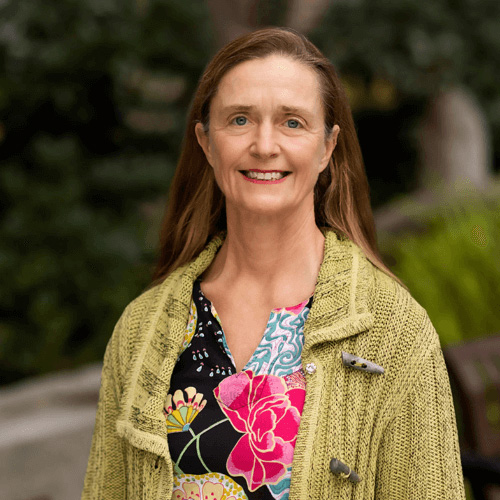
In this episode of the Brain & Life Podcast, host Dr. Daniel Correa is joined by Dr. Emmanuelle Waubant, professor of neurology at UCSF and Director of the UCSF Regional Pediatric Multiple Sclerosis Center. Together, they explore how diet, microbiome, and environmental factors influence the progression of multiple sclerosis, with a special focus on pediatric cases. Dr. Waubant also discusses the role of dietary patterns and vitamin D and highlights how emotional well-being and physical activity can impact disease outcomes.
Follow and subscribe wherever you get your podcasts!
Apple Podcasts Spotify Libsyn
Additional Resources
- Expert Insights and Practical Tips for Managing Multiple Sclerosis
- How Ultra-processed Foods Can Have a Negative Effect on Brain Health
- Nutrition for kids: Guidelines for a healthy diet
Other Brain & Life Episodes on this Topic
- Advocating for a Multiple Sclerosis Diagnosis with Comedian Kellye Howard
- Embracing Each Day with Author and MS Advocate Lilibet Snellings Kyte
- Voices from the Multiple Sclerosis Community
Follow us!
- Guest: Dr. Emmanuelle Waubant @USFCMedicine
- Hosts: Dr. Daniel Correa @NeuroDrCorrea; Dr. Katy Peters @KatyPetersMDPhD
- X: @BrainandLifeMag
- Instagram: @BrainandLifeMag
- Facebook: Brain & Life Magazine
We want to hear from you!
Have a question or want to hear a topic featured on the Brain & Life Podcast?
Record a voicemail at 612-928-6206, or email us at BLpodcast@brainandlife.org.
Episode Transcript
Dr. Correa:
From the American Academy of Neurology, I'm Dr. Daniel Correa.
Dr. Peters:
And I am Dr. Katy Peters, and this is the Brain & Life podcast.
Dr. Correa:
Saludus, and welcome back to the Brain % Life podcast. So how are you thinking about nutrition at the start of this year and with the winter freeze that's affecting so many of the US? I know in our house, we've leaned in several nights to some comfort casseroles and whenever we get a chance, we balance that out by making a big salad. So we're getting some veggies and fiber where we can to balance all that pasta and that comforting sauce. But I think this is a challenge that many of us are thinking about. We think about for our brain health and we think about it and how it might impact several different conditions. And then there's the challenge of our nutrition throughout the day.
I know as a physician and a busy person, as many of us are at work, it's a challenge going from one activity to the next or when things start creeping into your lunch break that you might be looking for. What are the available, maybe healthy or just something snacks so that fulfills at least a little bit of a meal. Whether you're the person who grabs the string cheese between meetings or some chips or crisps. We want to try to avoid the more processed foods. We hear that in the news and we want to get and have a sense of more of the information and science and where that's showing us about our dietary patterns. And where do we get the variety of veggies that we need to try to think about and plan, whether it's for our daily meals during those busy days or even planning our evening meals through the work week and weekends.
I know in discussion with my family, there's always the challenge with my niece and nephew of how do we get more veggies and healthier foods for them and that they're actually interested and want to eat and try to attract them away from the pizza that they often will defer to either at school or in the evenings. When we get the chance to cook with them and involve them in either the evening meal or the weekend meal, it's funny how sometimes then they like and want the veggies or the items that we cook together. Whereas if we made the meal for them after coming home and they look at it's not exactly what they were hoping or thinking about.
And then they defer to wanting the pizza or something out of the freezer. And I've had friends also mention with their kids, they get on kicks of certain things that they like or they feel, whether it's the orange food and things covered with cheesy powders, they might fixate on a color, they might fixate on certain textures. There's so many challenges that impact planning, the nutrition and meals for our families. And today on the Brain & Life podcast, we're talking about something many families and adults, and especially those living with multiple sclerosis ask about and think about in managing their health and conditions. The question of, can nutrition meaningfully change the brain health in our family or for me, and specifically for those living with multiple sclerosis, can it meaningfully change the course of MS?
And if so, what do we actually know from the science? As you might recall from our listener questions episode on New Year's Eve, we had a question from Jennifer in California about nutrition NMS, and we are glad to bring you this content in response and to add more context to that discussion. So together today with Dr. Emmanuelle Waubant, we'll explore what the data truly shows in children living with multiple sclerosis, thinking about how we can responsibly extend this to adults with MS, and broaden these lessons to the research and what we understand about overall brain health and fit it within the many recommendations that are out there. Unfortunately, Dr. Katy Peters couldn't join me today in this introduction, but we're glad to have you here and I hope you enjoy this expert discussion with Dr. Waubant and in ways of seeing how we can all incorporate this into our lives, into our families, and how potentially it could impact those living with multiple sclerosis.
Welcome back to the Brain & Life Podcast. And as we mentioned, today is going to be more of a discussion together with a medical expert and scientist to help us understand more about nutrition and how it might impact MS and other conditions. Our guest today is Dr. Emmanuelle Waubant. She's a professor of neurology at UCSF and the director of the UCSF Regional Pediatric Multiple Sclerosis Center. Dr. Waubant has helped lead some of the most influential work in pediatric MS on modifiable risk factors and dietary patterns, vitamin D and body weight in this pediatric population. And helps connect this to relapses and MRI activity, other really important aspects about the disease progression of multiple sclerosis. Thank you so much, Emmanuelle, for joining us here and on the Brain & Life Podcast.
Dr. Waubant:
My pleasure, Daniel.
Dr. Correa:
So I wanted to get a sense first and hear from you about how you start this discussion with families. When families ask you about diet and MS, what do you say first so they feel grounded and not overwhelmed with all the other things they're concerned about?
Dr. Waubant:
So what's interesting is that I would say I do both pediatric and adult MS clinics, and I think the discussion about diet comes first in the adult clinic compared to the pediatric clinic, which is interesting. But when the discussion starts about the diet, I said that there's a phenomenon that is known now in terms of association with the risk to develop the disease, and that there's a few factors that may have been identified, but that in our pediatric studies, we've not found any strong factors associated with the risk to develop pediatric cancer MS, but we have found factors that are associated with a higher risk of progression of the disease, explaining that at this point we cannot confirm causality because of the design of these studies that show an association, but not causality. But because our findings are in line with recommendations for healthy diet for children or adults, for any type of disease, whether it's cardiovascular disease or brain disease or risk of stroke and so on, I think these are diets that I highly recommend because they may have a beneficial effect on health in general.
Dr. Correa:
And particularly you've chosen with your group to be studying particularly pediatric MS. Why do you think pediatric MS is such a powerful lens for nutrition research?
Dr. Waubant:
I think pediatric MS is a powerful lens for environmental research in general, and there's several reason to that. And when our pediatric MS network got started by the National MS Society in 2006, we started as a clinical network, but rapidly we started to develop research projects. And for me, the research projects that was making the most sense at that time was looking at environmental exposures because most of our patients start first symptoms of MS in adulthood. So the mean age of onset of MS is in the ballpark of 35 years. And so there had to be a reason why the disease started 20 years younger in these kids. And I felt that it could be a combination of genetic variants and/or environmental exposures.
The additional reason to study pediatric MS in my mind is that when you would look at adult MS, we know that there's a long prodromal phase for symptoms of the disease, and that the exposures to environmental factors are probably pretty remote. They're probably occurring five years, 10 years, 15 years before. In children, there's some kind of shrinking of that time dimension, and probably we're closer to the environmental exposures and the onset of the disease, even at the biological level. So I felt that if we had to find environmental exposure information, it would be more reliable information because there was less time that had elapsed between these exposures and the onset of the disease. And that's in a nutshell why I think that all these environmental research was actually making a lot of sense to do in patients who have somehow probably a higher risk exposure accumulated and/or genetic risk variants.
Dr. Correa:
Now, most of the people probably listening are they themselves adults and maybe they have multiple sclerosis or have someone in their family with multiple sclerosis and will have a broader general audience with other neurologic conditions or impact in their families. And we'll get to this in some of the specific areas, but I wanted also to hear from you, what do you think are some of the limitations in looking at pediatric findings and considering what can and can't be generalized to the adult community?
Dr. Waubant:
So I think I would say that there's two main limitations. So the first limitation, as I mentioned, is that what we have identified is a study of association. So we know that this in the diet or that increases or decreases the risk to have a relapse or new scars on the MRI, but we have not showed causality. It would take clinical trials to demonstrate causality. And in the current situation, which is a good situation, we have a lot of treatments to offer to our patients, and these treatments are very effective in preventing relapses. So doing a study trying to demonstrate causality of how some dietary factors may influence the course of MS is practically impossible to do now because our treatments work so well, it would not be ethical to have patients untreated engaging in these sorts of studies. So I'm going to ask you to repeat your question because I forgot my second point.
Dr. Correa:
So I was asking about the limitations and the challenges of generalizing some of what we find in the pediatric population to adults.
Dr. Waubant:
So the other limitation is that we're capturing the dietary information from questionnaires after the fact. So these questionnaires are looking at what did the patient eat the week before or the months before? And so there's a lot of recollection involved, and that's why we're involving the parents when we've done these studies in pediatric patients. And of course, you could argue that the parents are not always with their kids when they eat because maybe in school eating something else or going in the fridge behind the back of their parents and eat what they want. But I think this study was pretty large, involved a fair amount of patients with very early phases of MS and lots of control patients also in a preceding phase.
And I think that critique that reviewers have sometimes brought up when they were reviewing this type of publication is, well, how can you prove that having pediatric onset MS or having MS in general has in fact not changed the way people eat. And I think this is a very legitimate concern. I would say that looking at my pediatric and adult clinic, I can say that concern would be higher for me for my adult patients because they are kind of in charge of their own food intake. And very often there's a concept of, "Well, maybe I've done something wrong with my lifestyle and maybe I should have a better control of what I eat because maybe that contributes to my MS." That thinking is not as present in the pediatric clinic, but ultimately these are things we discuss with the patients and their families.
And so to try to address, one of the concerns reviewers have is that we've worked with very early onset. So some of the patients were diagnosed just a few months before enrolling in that study. And the other thing we have done, which is not published now is look at the stability of the responses to the same dietary questionnaire over a period of 12 or 18 months. And what we find is that the diet is in fact fairly consistent throughout that period of time, which is reassuring because it means when we design studies, if we have only one time point capturing the dietary intake of patients and then looking afterwards to what happens to their disease course, this may be actually sufficient.
Dr. Correa:
And the broader concept about nutrition in different neurologic conditions like MS and brain health in the public and lay audience and in news just encompasses so many different things. So when you're looking at studying it in the different mechanisms in pediatric MS, what are the main areas that you're looking at? We hear about inflammation and immune effects in the news. We hear about the microbiome, metabolic inflammation. What's the combination of signals that you're looking to study in this situation?
Dr. Waubant:
So that is a very good question and very complicated, I'm afraid to answer. Because the diet obviously is associated to the microbiome and in turn, the microbiome influences what people eat or feel like eating and potentially the weights. And so there's a lot of biological interactions between all these and sorting out exactly what's happening, I think is very complicated. There are, of course, some, I would say, PET biological pathways that may be more of interest for some people. I got started looking at that because I was interested in the tryptophan pathway. And knowing that some of the kind of downgraded product of tryptophan could stimulate a receptor present on immune cells or kind of support cells in the brain. And that was a big prompt for me to start this kind of research. Those degradation products actually come from the microbiome in the gut, and that's how they digest the food.
So the type of food is important, but then the biome in the gut is important also for what becomes the food in terms of what's absorbed, not absorbed, and the degradation products. And so I do think that there's very likely inflammation that can be triggered by the diet. I think we hear a lot about anti-inflammatory diets, which I'm not sure how much really solid data there is to say that this diet is really inflammatory, that one is less inflammatory because there's more to the diet. There's also the weight which can have an inflammatory effect in itself. So if there's a lot of fatty tissue, there's a stimulation of some adipokines that in turn can increase the smoldering inflammation in different tissues, including the brain. So I'm afraid I've not responded very clearly to your question, but I think it's very difficult to answer.
Dr. Correa:
As you said, I think it expresses the complexity of this and that challenge that your team and labs and other researchers looking in this area have to navigate. I'm just wondering, because we brought up the microbiome there. Do we yet know if the microbiome in individuals with multiple sclerosis, whether pediatric or adult, is different than the general population either before or after they start a disease modifying treatment or a treatment for their MS?
Dr. Waubant:
So again, a complex question because lots of the early work with microbiome was based on small groups of patients compared to controls. The choice of control may be also different from one study to the other, from trying to have age match or a sex match, individuals from the same region to some other studies looking at individuals living in the same household, in which case very often they are not match for sex and the influence of hormone. So I think that there's been larger studies now that have focused on earlier phases of MS, which will be more relevant than looking at the microbiome in the gut in patients who have had MS for 20 years and are in their 50s or 60s or older and have been on all sorts of treatments. And in addition, have all sorts of comorbidities.
So when you get older, you have a higher risk of having high blood pressure and high cholesterol and diabetes. So all sorts of conditions that interns can influence the microbiome, but also are treated with medication that can have an impact on the microbiome. So I think the key is to really look at studies that are large enough, early enough in the disease and have the right type of controls. And when you look at that, I think there are some studies that have reported some consistent findings across different studies, but I have to say there's been a lot of variability in the findings across the different studies. Part of that can also be related, and I think sometimes it's very difficult to take that in account in the analysis, but you can imagine that the diet you have in the springtime is different from the diet you have in the fall time, right?
Dr. Correa:
Yes.
Dr. Waubant:
So taking in consideration the season can be something that's very relevant or trying to match the controls with the season can be very important. And then the geographical area. So you can imagine that if you live in the Middle West in the winter and you're in Southern California in the spring, you're going to have access on average to different kinds of food. And so if you have controls, this should come from the same region, because otherwise you're going to introduce a lot of noise in the measurements you're taking.
Dr. Correa:
I'm glad that there are people as carefully thinking through these challenges and steps, and that this is such an active area of continued research, but you do such a good job of laying out how truly complex it is. And sometimes the overstated findings that there might be out there about microbiome research might be questionable because of these complexities. Now, your team has done particular studies looking at high dietary intake and have found in your observational studies that there's an association with higher relapses and higher activity of MRI lesions in children with higher dietary intake. Can you walk us through your interpretation of these findings and how you found this in this population?
Dr. Waubant:
Yeah. So as I said earlier, we have initially looked at the dietary intake and whether it was different in pediatric patients with early MS versus pediatric healthy kids, and we didn't see much difference. So we focused then on what happens in children and what they eat and over the several years following the collection of the dietary information, whether they're doing well in terms of number of relapse, number of new scars on the MRI. And so we've tried to be very careful in the analysis to not have too much bias in the way that the data was analyzed. And so what we find are things that interestingly make a lot of sense from a healthy prospective diet, especially when you look at cardiovascular recommendations, because that's probably the field where there's been much more interest for the longest in medicine.
And our findings show that eating more fruits and vegetables is actually associated with a lower risk to develop MS relapse or MS scars on the MRI. I think that's on its own is how do I explain this association is there's a lot of reasons why, and going back to the tryptophan pathway and some other pathway could make sense. So we looked at intake of different types of food separately with the same questionnaire, and then we found that high fatty saturated foods are actually not good for the course of MS. And we know it's not good for the risk of cardiovascular disease, heart attack, stroke, and so on. So that makes a lot of sense. So the intake of diary is something that we can't go into more depth because these food frequency questionnaires have to be limited in terms of the number of questions you ask patients and families, because otherwise it would become so cumbersome, nobody would complain them.
So we don't have the granularity to look at whether the intake of dairy is mostly kind of high fat dairy or low fat dairy, whether there was a lot of vitamin D in the dairy and so on. But the bottom line is that for additional intake of dairy compared to the recommendation for the age of the patients in the study, there was an increased risk of relapse and new scars on the MRI. So something that could lead to more refined studies to try to understand what's the issue here, whether it's the fat, whether it's the vitamin D or something else, or other proteins that may be in the milk.
Dr. Correa:
Now, that's based off of recommendations from which organization for the age groups, because that helps for listeners to look back to.
Dr. Waubant:
So the recommendations for pediatricians, we use the recommendations of the American Pediatric College, that has recommendations based on age for different types of foods. So that's what we took as the reference, whether people were taking more or less, and then trying to quantify per additional cups compared to the recommended amount. And so the other thing I will add is that after looking at different nutrients, we also try to have a single score to collapse the different nutrients that are thought to be good or not. And so we try to use some indices that have been published in other diseases. And one of them was the Healthy Eating Index, which is an index that tries to gather ... Because as we discussed before, the biology is very complex, so it's very questionable that a single type of food would be the only responsible for better course or worse course of MS, especially because often what happens is that if you don't eat much fruit and vegetables, then typically it's replaced by a higher saturated fat intake in the diet.
So lots of these nutrients are, to some extent, bound to each other in different proportions, and that's why we wanted to use an index. And the one we picked was a healthy eating index because we had most of the parts of this index that were available from the questionnaire. And again, I very gladly saw that if you had a higher healthy eating index, which meant you had a better diet in general based on recommendations of the American College of Pediatricians, for example, then you had a better chance of having less relapses and less scars forming on the MRI. So I'm actually glad that this was going this direction because if we had found the other direction, it would have been kind of, "Wow, okay, how do I explain that? Am I going to tell my patient they should eat more junk food and less fruits and visuals?" So I was very glad to see that it went in a direction that made a lot of sense for health in general.
Dr. Correa:
And it sounds like then, what I'm hearing, and let me know otherwise, you don't necessarily think that this is unique specifically to dairy, but that the dietary dairy intake may be a marker of the overall diet and dietary pattern. It seems that these findings have been along the lines of what you're seeing also with higher saturated fat intake and lower intake of vegetables.
Dr. Waubant:
Yes. So again, we can't discriminate if there's really the dairy intake that is the main culprit of what we see. And that's what I try to explain to patients when I see them in clinic, but that's complex.
Dr. Correa:
And for our listeners, we'll include in the show notes links to the pediatric and adult dietary recommendations for your own reference, but I wanted to ask then you, do you think based on the information and research that's out there or your own work that families should consider cutting dairy completely?
Dr. Waubant:
So cutting diary completely is not a good idea and that's what we need to understand is that in terms of the dietary recommendations for children or adults, there are recommendations of take at least that on average on a daily basis in your food, but don't go over that. So there's a range of intake that is recommended and cutting completely dairy is probably not a good idea because it brings calcium, it brings other good things that are good for other parts of the health. It's just that having too much of it can have a negative impact.
Dr. Correa:
And as you were mentioning before, the signals in the study suggests higher saturated fat is associated with higher relapse rates in pediatric MS, while higher vegetable intake is associated with fewer relapses. And we've mentioned several ways that this is linked to the overall diet, but once you get to this point with the family, how do you help them think about all the challenges of picking a better diet for their family and for their children, whether it's picky eating and school lunches, or as you mentioned, the kids going behind the parents back and getting things.
Dr. Waubant:
I think these are important facts to have in mind when you have this discussion because we see people who have different eating habits. We don't want to make them feel guilty. We just want to educate them and make decisions in terms of food if they can, that may have a positive impact on the health of the whole family. I think there's different considerations, first, the culture. So depending when you grow up, whether you're from a longtime American family or a family that's immigrated in the US and comes from a very different part of the world, there are some types of food that you're going to like because you grew up with them and they represent the core of what you want to eat. There's also considerations that are based on financial considerations. So I would say unfortunately in the US, the price of fruit and vegetable may be out of reach for some families. And so as a result, going to McDonald's may be actually cheaper than buying fruits or vegetables and cooking.
And then there's the time involved in ... So fruits don't involve more time, right? But if you want to eat more vegetables, it means also maybe spending more time in the kitchen preparing food. The additional complication is if you deal with teenagers. So teenagers can be very picky in terms of what they like and what they do not like. And throughout the questionnaires, what we could see is that our teenagers, whether actually they do have MS or they were healthy, had interesting amount of fats on average, for example, and lower level of fruits and vegetable intake which of course even more difference in the MS population when we started to look at the relapses. So I think there's cultural situation, then there's an age situation. I think it's hard for parents to force their kids to eat fruits and vegetables.
Dr. Correa:
Are there two areas that you suggest to families to consider swapping or discussing a change that might be high impact and maybe lower drama?
Dr. Waubant:
Unfortunately in the clinic, I don't have as much time as I would want to do these kind of discussions, but I think this is things that ... And also I'm not a nutritionist by any means. So sometimes I refer families to see a nutritionist, especially if there's an issue with overweight and a fair amount of our pediatric patients are overweight and there's building evidence that having more fatty tissue contributes to smoldering inflammation in different organs. So I think that having support groups with the nutritionist involved could be helpful to discuss tips on how to best implement changes in the household, knowing all these limitations like teenagers only like this and that, and financial considerations and cultural considerations.
Dr. Correa:
Now, I wanted to extend now to vitamin D. So vitamin D has described that low vitamin D levels is associated with higher disease activity or higher rates of even MS diagnosis in different populations. How do you interpret this in clinic if you identify a low vitamin D level for an individual and discuss with them what might be next?
Dr. Waubant:
So the vitamin D situation is reasonably complex. So first, the vitamin D can come from the diet, but it can come also from sun exposure and the color of your skin. So if you have a fair skin and you spend time in the sunlight, you'll get more vitamin made in your skin and in your body than if you have a darker skin. Then it depends on the season. And then it can depend on your diet. So typically in the diet, there's not as much vitamin D that is coming from the diet, what's a good ... So there's fortified milk, but there's also some fatty fishes like salmon that can bring in some vitamin D. I think it's out of reach to eat salmon every day for financial reasons and also a lack of diversity of the diet.
And so very often there's recommendation again for adults, but also for children on what's the healthy supplementation, because most of us do not have enough vitamin D intake in their diet or don't spend enough time in the sun during the season when you can have enough sun radiation to help the synthesis of vitamin D. And again, there's also what genetic variants you have. So there's several genes that result in the transporters, different flavors of the transport of vitamin D and the receptor of vitamin D that can in turn also contribute to the vitamin D story. So what I tell my patients is that if I spoke to my patients 10 or 15 years ago, I told them, make sure you take ... So if you're an adult, you take 4,000 international units a day of vitamin D3 because you will be in a good level of vitamin D, but you will not be overdosing because you can overdose with vitamin D.
So taking a huge amount of vitamin D can have very negative impact with risk of calcifications in different organs, including the kidneys. So we don't want that because vitamin D is in fact also considered to be a hormone, so we need to be careful with it. So what I told a long time ago to my patients, I actually don't say that as much because now there's been well-designed clinical trials of vitamin D supplementation that have shown that the impact of vitamin D supplementation in addition to typical treatment of MS doesn't seem to have an impact on the risk of new scars on the MRI or risk of relapse. So the way I approach the vitamin D story now, I approach it as take, let's say, a couple of thousand international units if you're an adult or a teenager, less for younger patients, of course, and make sure you spend time in the sun.
Because what happens also when you're in the sun, and of course, I don't want to have the dermatologist on my back with the risk of skin cancer, but a reasonable amount of sun exposure is actually not only helping the making of vitamin D in your body, but also helps some immune cells in the skin to combat the inflammation. And so we think now that some of what has been reported with vitamin D levels in the blood, the vitamin D may just have been an indirect marker of sun exposure and skin color very possibly, despite also adjusting the analysis for the season, because with the season, the sun can have a stronger effect on the vitamin D synthesis, but there's more to it than just the vitamin D. There's probably also the stimulation of these immune cells in the skin that have a positive impact on decreasing inflammation.
Dr. Correa:
And beyond diet, what do you see as some of the most important modifiable factors that matter most in kids or the pediatric population in terms of MS and their relapse rates?
Dr. Waubant:
I would say there's two additional things that are very important. And I would say first, making sure emotionally these kids are doing well, that they're not depressed or not anxious, and if they are managing that aggressively. Because we have more and more evidence in the world of MS in general that some comorbidities, including depression and anxiety, can have a negative impact on the progression of the disease in addition to potentially having a negative impact on compliance with treatment to prevent relapses. And the other thing that I think is critical is weight management and physical activity. And as you have heard, really, there's been an epidemic of obesity in the US and Western world that increases the risk of other diseases.
So there's a higher rate of diabetes, there's a high risk of stroke and all sorts of conditions that are associated with obesity that can be preventable. And in terms of physical activity, with the use of screens, the screen time, especially in our teenagers, is out of proportion to what it should do. And when people are in front of their screen, they don't move. And it's known that exercise is good for your health in general and it's good for your emotions also, and it probably contributes to a positive outcome in disease like MS and other neurological disease.
Dr. Correa:
And around weight, is there any approach that you have to try to reduce the stigmatization about obesity and the weight discussion, but still bring up this discussion on activity and weight and obesity with individuals that you're caring for and their families?
Dr. Waubant:
It's very important to not have a stigma attached to obesity, but to educate people on understand why it's important. It's not only fashionable to be kind of a lower weight or looking better. It's really for 10 years, 20 years, 30 years down the line, especially when you're dealing with teenagers, most of their life is ahead of them. So you want them to remain in good health. And the field of cardiovascular disease and diabetes have clearly showed that having regular exercise is good for quality of life and living longer with a good quality of life and less comorbidities, same with weight control.
Dr. Correa:
Within the pediatric MS population, you found a space to study that's showing that working towards the recommended dietary patterns can have an improvement specifically with this condition, but potentially is having an improvement that could affect the whole family, potentially for other neurologic conditions or just the family's overall brain health. But as you think about it and how it could generalize to the rest of the family, to adults, are there aspects about your findings that you think we have to be more cautious about?
Dr. Waubant:
In terms of interpreting whether they're real or not?
Dr. Correa:
And whether they can generalize to either the adult population with MS and the family that our pediatric MS patients live with.
Dr. Waubant:
I think that in general, the findings we have in the pediatric MS population are reasonably in line with findings of studies that have been done in adult MS. Sometimes in patients with longer disease duration, but the people have focused on the Mediterranean diet and I think that the healthy eating index goes along the lines of the Mediterranean diet. So I think that we can extrapolate without too much difficulty to the adult population, whether they're healthy or they have MS. I think you're right that you probably have had other podcasts about diet in general, but I think if you look at changing eating habits, it's really very hard. And that's why when people have done trials, trying to randomize people to a specific type of diet, whether it's intermittent fasting or others, it's really, the best way to do that is actually to have the meals delivered to the patient who is involved in the study, because otherwise the tendency is going to go for your eating habits.
And so it's very difficult to make those studies implemented properly because there's a lot of temptation. "Tonight I don't have time to cook. So what do I find in the shop? I'll go buy a pizza." So I'm not saying a pizza is bad. It's just that if you eat pizza every night, it's probably not good. There's also lots of, I would say, temptation because the lobbies of junk food in general tend to advertise very strongly their junk food. And I think it's very hard to detach from that.
Dr. Correa:
And one of the things you mentioned earlier is how in studies they've shown over the recommended amounts of dietary dairy intake, saturated fats and lower vegetable intake can also be associated with cardiovascular disease progression later in life and at stages, but particularly looking within MS, why might vascular and metabolic health issues along the cardiovascular side impact brain outcomes at MS?
Dr. Waubant:
It impacts brain health in general, whether you're thinking stroke, potentially other neurodegenerative diseases. But for MS, there's studies now that have shown over and over that chronic conditions, including cardiovascular conditions, increase the risk of MS progression. And by MS progression, I focus more along the lines of disability progression. So we have really strong evidence that having other diseases that include cardiovascular diseases contribute to progression of disability in MS. And so of course we're talking years down the line, not early disease onset. We don't have that kind of data, but patients who have MS starting at a young age are going to live a very long life with that disease. So anything that can worsen the progression of their disease should be paid attention to.
Dr. Correa:
And lastly, I wanted to know, I mean, you've been deep in this science, working alongside individuals and their families. In your broader understanding of nutrition science, I'm wondering how you've applied it in your own health and in your own diet. What are you taking from the science and your awareness of where it is in planning how you eat and your activity levels?
Dr. Waubant:
I have completely implemented that in my life. I grew up in a family where my mom was cooking very diverse type of food, so at least I did not have that ... I had that chance of being exposed to different kinds of foods and fruits and vegetables. And there was a garden in the house and we had fruit trees, so that helped having the fruits locally and feel happy about eating your own food. So I actually go to a nice, very popular farmer's market in San Francisco every week when I can in the morning before starting my workday. I buy lots of fruits and vegetables from that market.
It's actually a very affordable market because it's a kind of downtown inner syne market and I basically have all these good stuff that then I can cook myself. So I eat a little bit, but not much. Maybe I eat meat twice a week. I use products that are in season because probably they are of better quality and that's why going to a farmer's market actually grounds you in terms of knowing what's really produced around you or not too far away. And I'm lucky that I'm in California, so we have produces throughout the year, and turns out I love cooking, so I rarely go out for dinner. So my husband complains a little bit about that.
Dr. Correa:
Well, again, I guess it's the family's health together, so we have to balance it.
Dr. Waubant:
Exactly. Exactly. And I think he's happy with the diet he has. And then when it comes to exercise, I find it very important. I've also had the chance of not growing up at the time of cell phones with screen and being hooked to internet 24/7. So I've not developed the habit to be glued to a screen and I enjoyed different types of sports and I had to adjust that to my aging. So there are sports I've removed from my life because of getting older. So embracing the changes and making the best of it. But yeah, I do think that moving around makes you feel good, actually. It doesn't have to be at a super athletic level because I think that having a little bit of exercise almost every day in your life, walking when you can instead of getting in the car, I mean, little things can make a big difference.
Dr. Correa:
Well, thank you so much, Dr. Waubant, for everything that you're doing and the work that you're doing there at the UCSF Pediatric MS Center and your work with pediatric and adults living with multiple sclerosis and for taking time with us and our listeners today. It sounds like you're incorporating in your own way this more plant forward approach to your diet, a little bit of animal protein where it fits for you, increasing your fiber intake, trying to move towards more unsaturated fats, finding joy with movement and exercise, and I'm sure the recovery of sleep. And thank you for walking us through the complexity and also really the careful approach to the science.
Dr. Waubant:
But as I grew up in France, I'm still eating cheese, so don't worry about that.
Dr. Correa:
I would find cheese very hard to let go, but I try to limit how many other dairy intakes that I have. Thank you.
Dr. Waubant:
My pleasure, Daniel.
Dr. Correa:
Thank you again for joining us today on the Brain & Life Podcast. Follow and subscribe to this podcast so you don't miss our weekly episodes. You can also sign up to receive the Brain & Life Magazine for free at brainandlife.org.
Dr. Peters:
Also, for each episode, you can find out how to connect with our team and our guests, along with great resources in our show notes. We love it when we hear your ideas or questions. You can send these in an email to blpodcast@brainandlife.org and leave us a message at 612-928-6206.
Dr. Correa:
You can also find that information in our show notes and you can follow Katy and me and the Brain & Life Magazine on many of your preferred social media channels. We're your hosts, Dr. Daniel Correa, connecting with you from New York City and online@neurodoctorcorrea.
Dr. Peters:
And Dr. Katy Peters joining you from Durham, North Carolina and online@katypetersmdphd.
Dr. Correa:
Most importantly, thank you and all of our community members that trust us with their health and everyone living with neurologic conditions.
Dr. Peters:
We hope together we can take steps to better brain health and each thrive with our own abilities every day.
Dr. Correa:
Before you start the next episode, we would appreciate if you could give us five stars and leave a review. This helps others find the Brain & Life Podcast. See you next week