For many people, intermittent fasting isn't harmful and may be effective, but it should be avoided by children younger than 12, teens at a normal weight, pregnant or lactating women, adults over age 70, and anyone who's extremely underweight (a BMI below 18.5), advises Krista Varady, PhD, professor of nutrition at the University of Illinois in Chicago. People in these groups have caloric and nutritional needs that may not be met by fasting, she says. While fasting doesn't increase the risk of developing an eating disorder, it hasn't been studied in people with existing eating disorders and should be avoided by them, too, Dr. Varady adds. She offers this advice to anyone contemplating a fasting diet.
Talk to your doctor first. People with neurologic conditions should consult their neurologists to get a general health assessment and check whether fasting will interfere with any medications. Drugs that control blood pressure, for example, could affect electrolyte levels, which should be tested every three months or so, says Dr. Varady, who adds that in her studies on intermittent fasting, she and her colleagues did not observe changes in electrolyte levels in dieters. Fasting is not recommended for those who are underweight or at risk for nutrient deficiencies. And for those with cognitive impairments, the regimen may be too complex to follow.
Stay hydrated. Drink more than the generally recommended eight glasses of water per day on fasting days, Dr. Varady advises. “Food contains water, so if you're eating less, you're not getting the fluids you need,” she says, adding that people sometimes experience headaches during the first two weeks or constipation because of dehydration. Some dieters also report low energy or irritability. If you're feeling low in energy, Dr. Varady suggests drinking coffee or caffeinated tea.
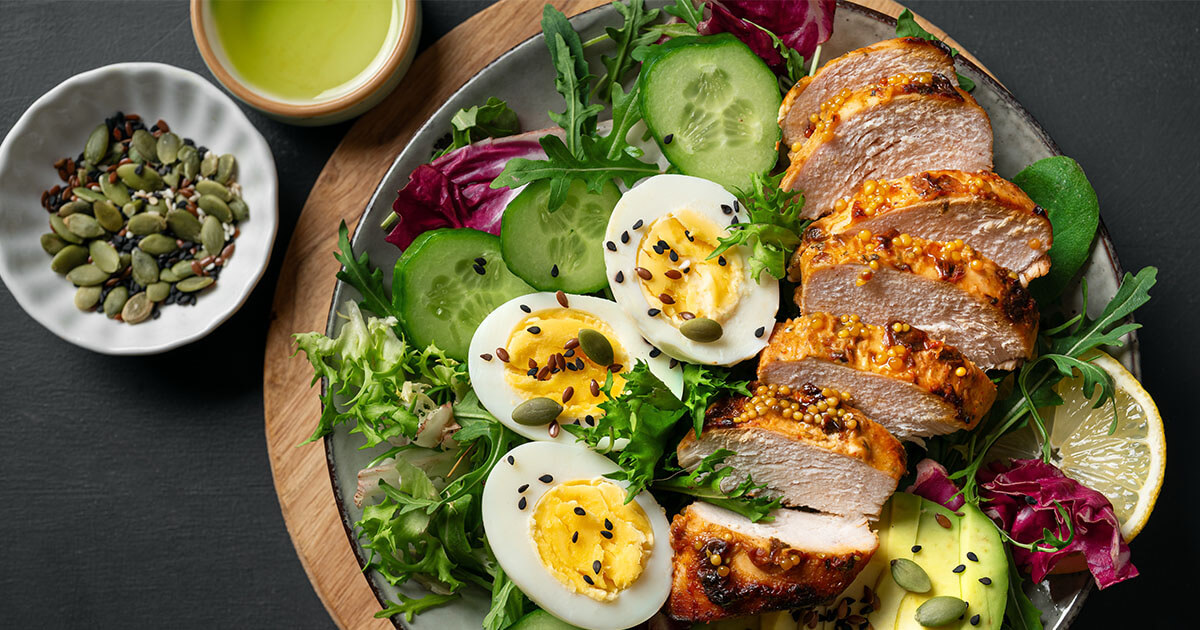
Focus on health. Plans that call for fasting two days a week or on alternate days usually recommend eating at least 500 to 1,000 calories on “fasting” days. Dr. Varady suggests consuming at least 50 grams of lean protein (the amount in one cup of Greek yogurt plus a four-ounce piece of skinless chicken breast) on those days. Protein can help you feel full and reduce risk of muscle loss. Eat plenty of fruits, vegetables, and whole grains on “feast” days (and as your calorie count allows on fasting days) so you get enough fiber and a range of nutrients. Protein and high-fiber foods can also help you feel less hungry, Dr. Varady says. Alcohol is allowed in moderation on feast days.
Maintain your weight. Many people gain weight after they stop the diet, says Dr. Varady. She suggests eating 10 percent less than the recommended calorie level for your weight, height, age, and activity level to keep the weight off. Or adopt a modified time-restricted eating approach in which you eat only during a 10-hour window each day, she says.
Read More