Camila Coelho Works to End Stigma Around Epilepsy
The social media influencer and fashion entrepreneur wants the world to know the truth about the neurologic disorder she was diagnosed with as a child.
The social media influencer and fashion entrepreneur wants the world to know the truth about the neurologic disorder she was diagnosed with as a child.

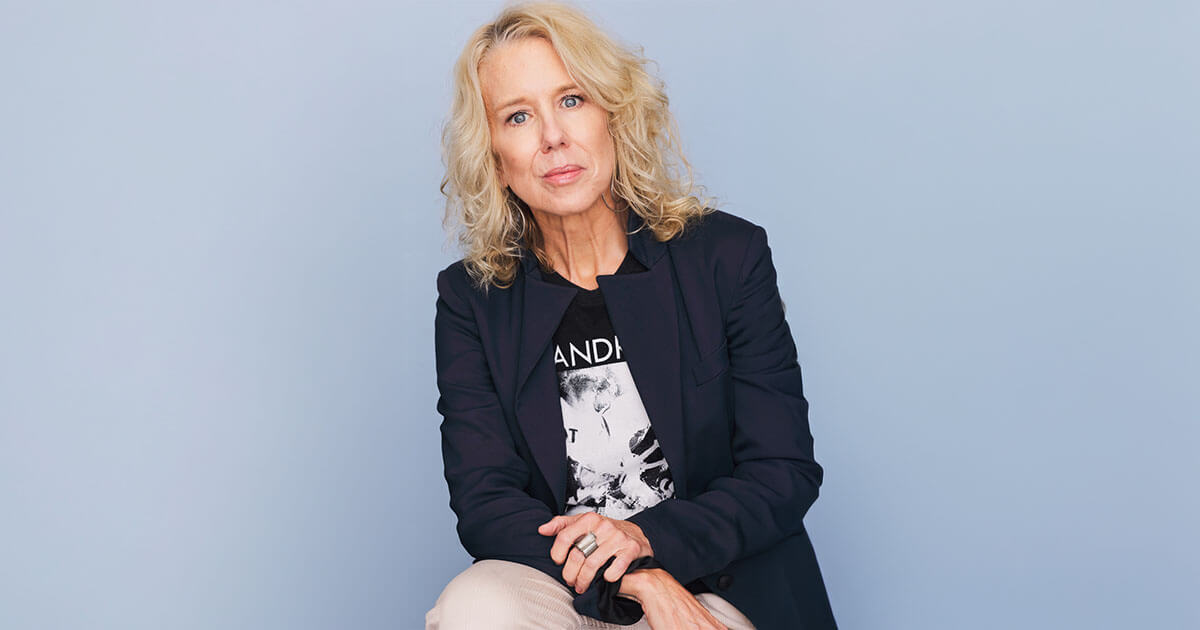
Fashion and beauty entrepreneur Camila Coelho is wielding her considerable influence—she has more than 9 million Instagram followers—to raise awareness of a subject that’s very personal to her: epilepsy, a disorder she developed as a child.
She recalls that day in 1998. She was outside playing with a friend when her hand started closing, one finger at a time. She couldn’t control it, which really scared her. Coelho, who was then 9, ran to find her mother. By the time she did, both hands had closed, and she couldn’t open them—and she fainted into her mother’s arms. “The hardest moment for me was listening to my mom’s voice, calling me, and not being able to respond,” recalls Coelho, now 32. “I think those who witness a seizure suffer more than the person having it.”

From left to right: Camila at her preschool graduation; at age 9 modeling for a clothing store in her hometown.
Her parents took her to a neurologist and after having an electroencephalogram (EEG) to monitor electrical activity in her brain, Coelho was diagnosed with epilepsy. The doctor explained the condition in greater detail to her mom and assured Coelho she’d be able to lead a normal life with the right treatment. Other than an uncle on her mother’s side, no one in her family has epilepsy.
When she asked her mother if she should tell people, her mother said it was her choice: She could share it or keep it to herself. “There are so many stigmas and misconceptions about epilepsy in Latina culture,” Coelho says. In fact, a 2012 study published in Seizure, the European Journal of Epilepsy, found that some Hispanic families tended to be overprotective of the person with epilepsy, believing he or she needed constant supervision and should be hidden due to the stigma surrounding the condition. “The number of people who have epilepsy in Latin America is huge, but people don’t talk about it,” Coelho says. (The prevalence of epilepsy in Latin American countries is 14 per 1,000 people, nearly twice as high as in the United States, according to a 2021 meta-analysis in Epilepsia.) Given that it’s often not discussed in the Hispanic community, she decided not to tell anyone outside of her family.
SEE MORE: Camila Coelho shares a message with the Brain & Life community.
Fortunately, the first anti-seizure medication she tried worked. Every four years, her doctor recommended going off the medication to see if she still needed it. For certain patients, doctors will do this, says David King-Stephens, MD, FAAN, professor of neurology at Yale University School of Medicine. “Some patients can enter remission if the medication controls the seizures for prolonged intervals of time, usually a minimum of two years,” he explains. Factors associated with remission include normal brain MRI and neurologic exam, few lifetime seizures, seizure control with the first medication, and having a normal EEG after several years of seizure freedom, he says. Under these conditions, neurologists will often discuss the possibility of going off medication to see if it’s still needed. “The decision depends on the comfort level of the patient as there is no guarantee that the seizures will not recur after stopping treatment,” he says.
In Coelho’s case, she would have multiple seizures within a few months, each one a little different. Two occurred while she was sleeping, but all involved fainting and some shaking.
The diagnosis didn’t bother Coelho until she was older and her friends started partying and drinking. She had been warned by her doctor not to drink since alcohol can lessen the effectiveness of the medication. “People would ask me why I didn’t drink or if something was wrong with me,” says Coelho. Chafing against these limitations, she stopped taking her medication without telling anyone. A few months later, she had a seizure that landed her in the hospital. “I was really scared and ashamed,” she recalls.
That led to an important conversation with her mother that changed her attitude. “My mom reminded me that many people struggle in their lives every day,” she says. “That helped me see that I’m fortunate and I should feel grateful instead of complaining. It happened slowly, but I learned to accept that every person has a different challenge in life.” After that, she went dancing with her friends without drinking alcohol—and without disclosing her illness. None of her friends or peers ever asked her about the seizure she had at school.

Her condition also never stopped her from pursuing her passion. Coelho’s interest in beauty was largely inspired by her grandmother. When she was 6 and needed to have a passport photo taken, Coelho insisted on wearing a red lipstick her grandmother had given her. As a teenager, she worked at the Dior makeup counter at Macy’s and started uploading beauty tutorials on YouTube. Initially, her audience included friends and family back in Brazil, but her videos quickly caught on and began to attract international attention. Fashion brands like Dior, Marc Jacobs, and Tom Ford took notice and she went from the makeup counter to the front row of fashion shows. She currently has 15 million followers on social media.
In 2019, she launched the Camila Coelho Collection clothing line and the Elaluz (which means “she is light” in Portuguese) beauty brand. For both projects, she draws inspiration from her Brazilian heritage, incorporating nourishing extracts from plants, fruits, and nuts that are popular in Brazil. In addition, a percentage of the profits from Elaluz goes to planting trees in her birth country.
With her businesses running successfully, Coelho and her husband, Icaro, are now considering having children. When she discussed it with her doctor, he explained that epilepsy and some of the medications used to treat it can be risky during pregnancy. Studies show that some medications can increase the risk of birth defects, says Dr. King-Stephens, but there are safe alternatives.
Grappling with these decisions made Coelho want to reveal her diagnosis publicly. The experience proved to be an unexpected relief. “It was like taking 100 pounds off my shoulders,” she says. “The number of messages I’ve gotten and still get from other people is amazing.” The feedback has even helped her make more informed decisions about her own treatment. “Some doctors recommend getting pregnant without medication; my new doctor told me I could get pregnant on medicine if it was the right type and it would add a minimum amount of risk,” she says. She has since switched to a new drug.
View this post on Instagram
She also makes a concerted effort to safeguard her health. “I know I need to sleep well and avoid being too stressed,” says Coelho. To stay in shape physically and emotionally, she walks, cycles, and hikes near her home in Los Angeles. “I love spending time in nature,” she says.
She also became a board member and an ambassador of the Epilepsy Foundation. For her birthday this year, she asked for donations to the Epilepsy Foundation instead of gifts. She raised $38,000 and donated $10,000 herself. “It’s a big part of my work to help those who are struggling,” she says. “I want to represent Latina culture and use my platform to talk about epilepsy and educate people. I want to keep inspiring people and spreading light.” She does that by blogging for the Epilepsy Foundation, talking to the press about epilepsy, and writing about her condition on social media.
“My hope is that by sharing my story and my challenges, I can inspire others who are struggling right now,” she says. “Once you accept and love yourself for who you are, things will change for you in positive ways.”

Of the 3.4 million people in the United States who have epilepsy, more than 710,000 are Latino, according to the Epilepsy Foundation. “Among Latinos born in the U.S., the rates are similar to Whites,” says Jorge Burneo, MD, MSPH, FAAN, professor of neurology at the University of Western Ontario in London, ON, Canada.
But the prevalence of the neurologic disorder is higher in Central and South America, he says, citing a study published in Epilepsy & Behavior in 2019. One reason for this is cysticercosis—a parasitic infection that can enter the brain and cause seizures—which is more common in Mexico, Central America, and rural areas in South America due to contaminated food and water. Also, as people get older, strokes can cause seizures and “the Latino population has a higher tendency to have strokes related to high blood pressure or diabetes,” Dr. Burneo adds.
While ethnic differences in the rate and trajectory of epilepsy aren’t widely studied, some notable findings have emerged. A 2013 study in Epilepsy Research of communities along the Arizona-Mexico border found that while non-Hispanic Whites were twice as likely to have active epilepsy as Hispanics, a “surprisingly high proportion” of Hispanic people have epilepsy but were previously undiagnosed. “It’s likely associated with socioeconomic status and poorer access to quality medical care,” says study coauthor Allen Hauser, MD, emeritus professor of neurology and epidemiology at Columbia University in New York City.
As a result, people of Hispanic descent who have seizures may get diagnosed and treated later, says Alberto E. Musto, MD, PhD, associate professor of pathology, anatomy, and neurology at the Eastern Virginia Medical School in Norfolk. Some of that delay is related to a lack of understanding about or cultural perceptions of the disease, says Dr. Musto.
“A lot of people in Latin American countries think epilepsy can be treated with herbs or alternative medicine,” says David King-Stephens, MD, FAAN, professor of neurology at Yale University School of Medicine, who grew up in Mexico. “They’re more skeptical about taking medications, and there’s a belief that it’s more of a mental disorder than a neurologic condition, which complicates management.”
Moreover, they may avoid seeing a specialist and may never learn about new treatments such as surgery or neuromodulation, says Blanca Vazquez, MD, director of the NYU Brooklyn Epilepsy Program. “When patients are given a diagnosis of epilepsy, they should see a seizure specialist.”
A specialist may be more likely to detect mood changes like depression, which can occur in people with epilepsy. In fact, a study in a 2015 issue of Epilepsy & Behavior found that depression scores were significantly higher among Spanish-speaking immigrants with epilepsy in the United States, and fewer Hispanic immigrants were prescribed antidepressants. Hispanic people with epilepsy were less likely to receive anti-epileptic drugs than their U.S.-born peers. If people hide those symptoms or they aren’t detected they many not get timely treatment. “Epilepsy needs to be managed not only in terms of medications but also mood, memory, and quality of life,” says Dr. Vazquez.
Various personalities and organizations, including Hispanic artist and songwriter Louis James, whose mother has epilepsy, and the National Hispanic Medical Association, are committed to educating the Latino community about epilepsy and improving seizure control and quality of life. In 2020, the Epilepsy Foundation added Spanish-language content to its website and launched a #StaySafeSide seizure first aid initiative in Spanish (#PermanezcaSeguraDeLado).
In the meantime, epileptologists encourage patients to seek help and second opinions. “If you’re not doing well with your seizure control, request a referral to an epilepsy center,” says Dr. King-Stephens. “That can help improve your quality of life and treatment. Most people who have epilepsy lead normal lives.” Everyone should have the opportunity to do that.