Get adequate sleep
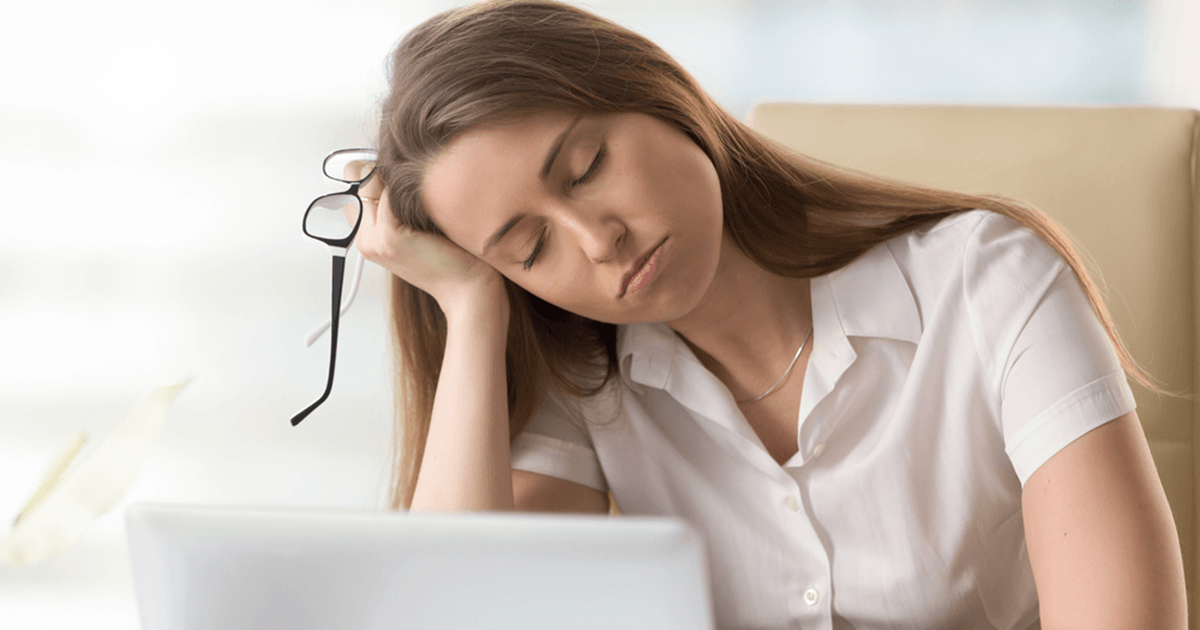
Most adults need seven to nine hours a night, according to the US Centers for Disease Control and Prevention. “Sleep allows the brain to calm down and reset,” says Rob Cowan, MD, FAAN, endowed professor of neurology and neurosciences at the Stanford University School of Medicine. “During sleep, chemicals are released that cause cortisol and adrenaline to back down.” To enhance sleep, avoid stimulants such as heavy meals and exposure to screens and bright lights in the evening. In a 2020 study in Neurology, a night of fragmented sleep was associated with a higher risk of migraine the following day.
Eat regularly
Have small portions of food throughout the day because “hunger is a trigger for migraine,” says Nina Riggins, MD, PhD, FAAN, associate professor of neurology at the University of California, San Francisco. Identify foods that trigger an episode and steer clear of them. Common food triggers include chocolate, certain cheeses, processed meats, red wine, artificial sweeteners, and monosodium glutamate (MSG).
Monitor caffeine intake
“For some people, caffeine blocks receptors that can inhibit or obstruct migraine pain,” says Randolph W. Evans, MD, FAAN, clinical professor of neurology at Baylor College of Medicine in Houston. “For others, it can create a rebound headache.” (Rebound headaches happen when people consume too much caffeine and then experience withdrawal from it.) Some people may be able to consume as much as 200 mg of caffeine per day without any effect (about two cups of coffee, four cans of cola, or four cups of tea), he explains, while others will find they have fewer migraine attacks if they eliminate caffeine completely. “There is no way to find out except by a trial,” says Dr. Evans. Once you know your caffeine limit, don't deviate from it, says Mark W. Green, MD, FAAN, professor of neurology, anesthesiology, and rehabilitation medicine at the Icahn School of Medicine at Mount Sinai in New York.
Relax and decompress
“Stress is one of the biggest triggers for migraine,” says Jessica Ailani, MD, FAAN, director of the Medstar Georgetown University Hospital Headache Center in Washington, DC. Doing yoga, meditation, or biofeedback can relieve it. A study in a 2020 issue of the journal Neurology found that when people with episodic migraine practiced yoga, they experienced significant reductions in the frequency and intensity of their headaches.
Move more
Aerobic exercise leads to a significant reduction in migraine frequency, intensity, and duration, according to a review of research on exercise and migraine prevention in a 2020 issue of Current Pain and Headache Reports. Besides suppressing the release of inflammatory chemicals (such as cytokines) and stress hormones (like cortisol), exercise improves microvascular health and people's sense of control, which may lead to fewer migraine attacks. Aim for at least 20 minutes of aerobic exercise a day, says Dr. Cowan, although doing less would still be helpful. People with episodic migraine who engage in moderate to vigorous exercise at least three times a week have one and a half fewer headache days a month than those who exercise less frequently, according to a study in Headache in March 2021; the same amount of exercise was associated with five fewer headache days per month among those who take preventive medications for migraine.
Bring in the outside
“It's really important that the brain sees some green, so get outside for at least 10 minutes a day,” Dr. Ailani advises. When inside, use a green light (various lamps are available from Amazon for about $150). Because green is associated with nature, it can be “soothing to the brain,” she says. A study published in Cephalalgia in September 2020 found that people with episodic or chronic migraine exposed to green-light-emitting diodes for one to two hours a day for 10 weeks experienced a small but significant reduction in headache days. Larger clinical trials are needed to confirm these results.
Consider supplements
Magnesium, coenzyme Q10, and riboflavin (B2) may help protect against migraine flare-ups, says Barbara L. Nye, MD, assistant professor of neurology at Dartmouth's Geisel School of Medicine in Hanover, NH. To maximize absorption of these nutrients, she recommends that her adult patients take 300 mg of magnesium twice a day (diarrhea can be a side effect), 200 mg of riboflavin twice a day, and 200 mg of coenzyme Q10 twice a day.