Turning an MS Diagnosis into $58 Million Raised for Research
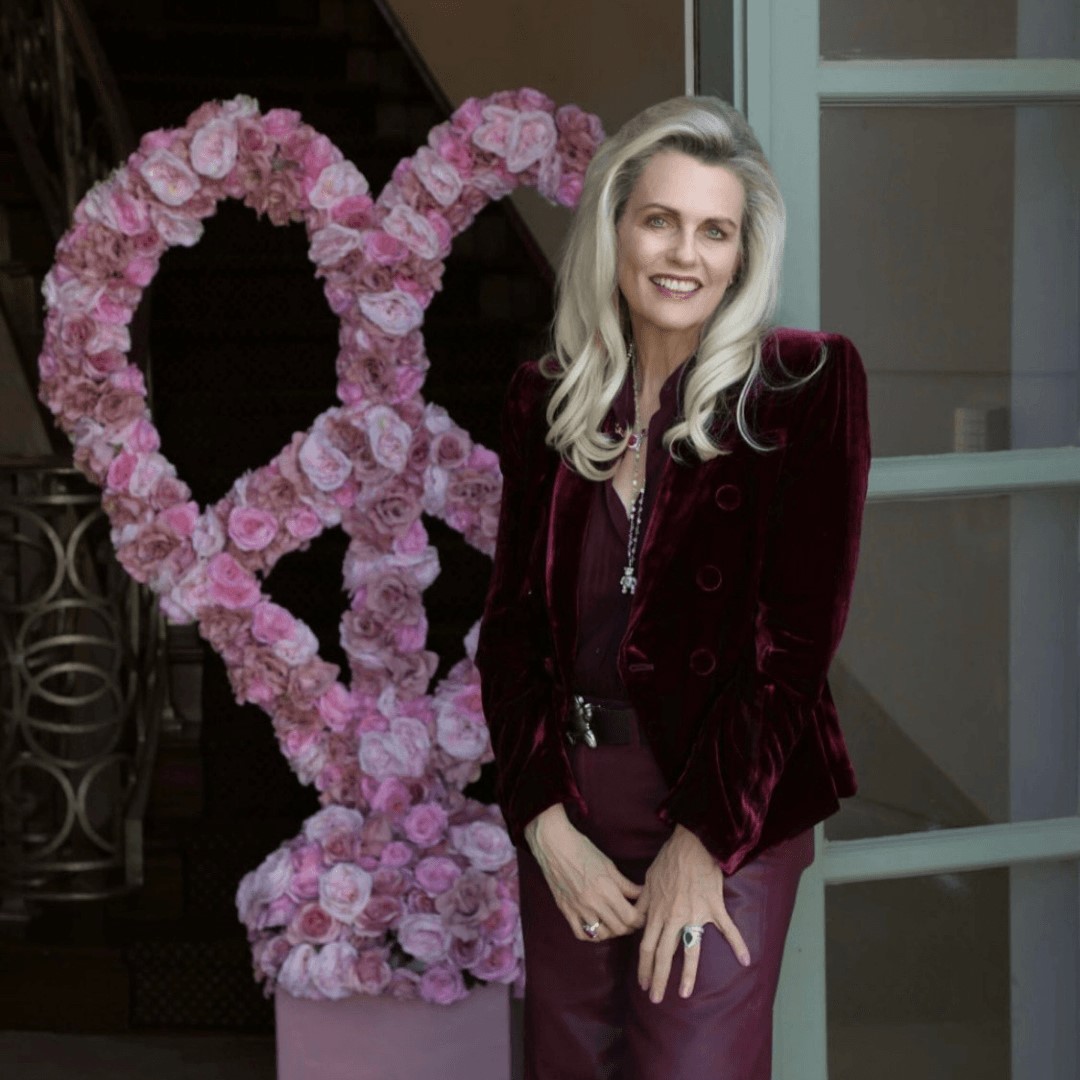
Nancy Davis was diagnosed with multiple sclerosis at 33. Two years later, she founded a nonprofit that has raised more than $58 million for research and advanced MS treatments. Through resilience and advocacy, she continues to champion awareness, optimism, and the search for a cure.
Photo courtesy Nancy Davis
How long have you been living with multiple sclerosis (MS)? I was diagnosed with MS in 1991 at a time when there was no known cause, no cure, and no drugs on the market. Doctors told me to go home, go to bed, and that I would be lucky to ever hold a remote control again. Instead of giving up, I became determined to fight for better treatments and a better future for everyone living with MS.
How did the doctor’s prediction of never being able to hold a remote control again affect you emotionally, and how did it shape the choices you made next? It was completely terrifying and devastating to hear those words, especially as a young mother. I was determined not to accept that prognosis as my future. Instead, I sought second opinions from some of the best doctors across the country, and through that process I realized there needed to be more collaboration in MS research. That experience ultimately inspired me to create Race to Erase MS and dedicate my life to advocacy and funding research.
What helped you stay focused on raising your family while navigating so much uncertainty about your health? My children and my family were always my greatest motivation. I was terrified that I wouldn’t be able to raise my children or live independently, so I focused on doing everything possible to stay healthy and strong. I feel incredibly grateful that I’ve been able to be present for my family and continue living a full and active life.
What inspired you to start Race to Erase MS? When I met with leading doctors around the country, I noticed many of them were conducting very similar research but not communicating with one another. I believed that if the best minds in MS research collaborated instead of duplicating efforts, progress could happen much faster. That inspired me to create Race to Erase MS and establish what we call the Center Without Walls, a consortium where doctors regularly share research findings and work together toward better treatments and ultimately a cure.
What have you been able to accomplish with Race to Erase MS? We started Race to Erase MS in February 1993, a few months before the first FDA-approved treatment for MS was available. Today, there are 25 FDA-approved drugs on the market, which is truly extraordinary. We’ve been fortunate to fund many early pilot studies that eventually led to approved therapies, and we’ve helped bring together some of the brightest doctors in the country to collaborate and advance MS research in meaningful ways.
What is the importance of patient advocacy, and how would you encourage someone to become a patient advocate themselves? Patient advocacy is incredibly important because no one knows your body better than you do. I always encourage people to ask questions, do their research, and never be afraid to seek a second opinion if something doesn’t feel right. It’s important to go into doctor appointments prepared and empowered, because being proactive about your health can make a tremendous difference in your care and quality of life.
What advice do you give to someone who has just been diagnosed with MS? I would tell them that there is real hope today. When I was diagnosed, there were no treatments, but now there are many options available. Every person’s MS journey is different, so it’s important to learn as much as possible, ask questions, and work with your doctor to find the treatment plan that best fits your needs and lifestyle.
Now, after more than three decades of living with MS, how do you manage your symptoms? There are many ways to manage MS symptoms. I focus on living as healthy a lifestyle as possible. I take vitamins, exercise regularly, and avoid smoking and drinking. Over the years my symptoms have changed, but staying active and taking care of my overall health has been incredibly important in helping me manage MS.
What gives you the most hope about the future of MS research and treatment? What gives me the most hope is seeing continued progress every single year, including new FDA-approved MS treatments that are changing lives. The doctors and researchers working in this field are incredibly brilliant and optimistic, and I truly believe we are getting closer and closer to a cure. There is more hope today than ever before for people living with MS.