Teen Whose Father Has Parkinson’s Disease Created a Community for Herself and Others
Alex Sunshine shares how her father’s diagnosis influenced her childhood and how peer support can make a meaningful difference for teens navigating a parent’s illness.
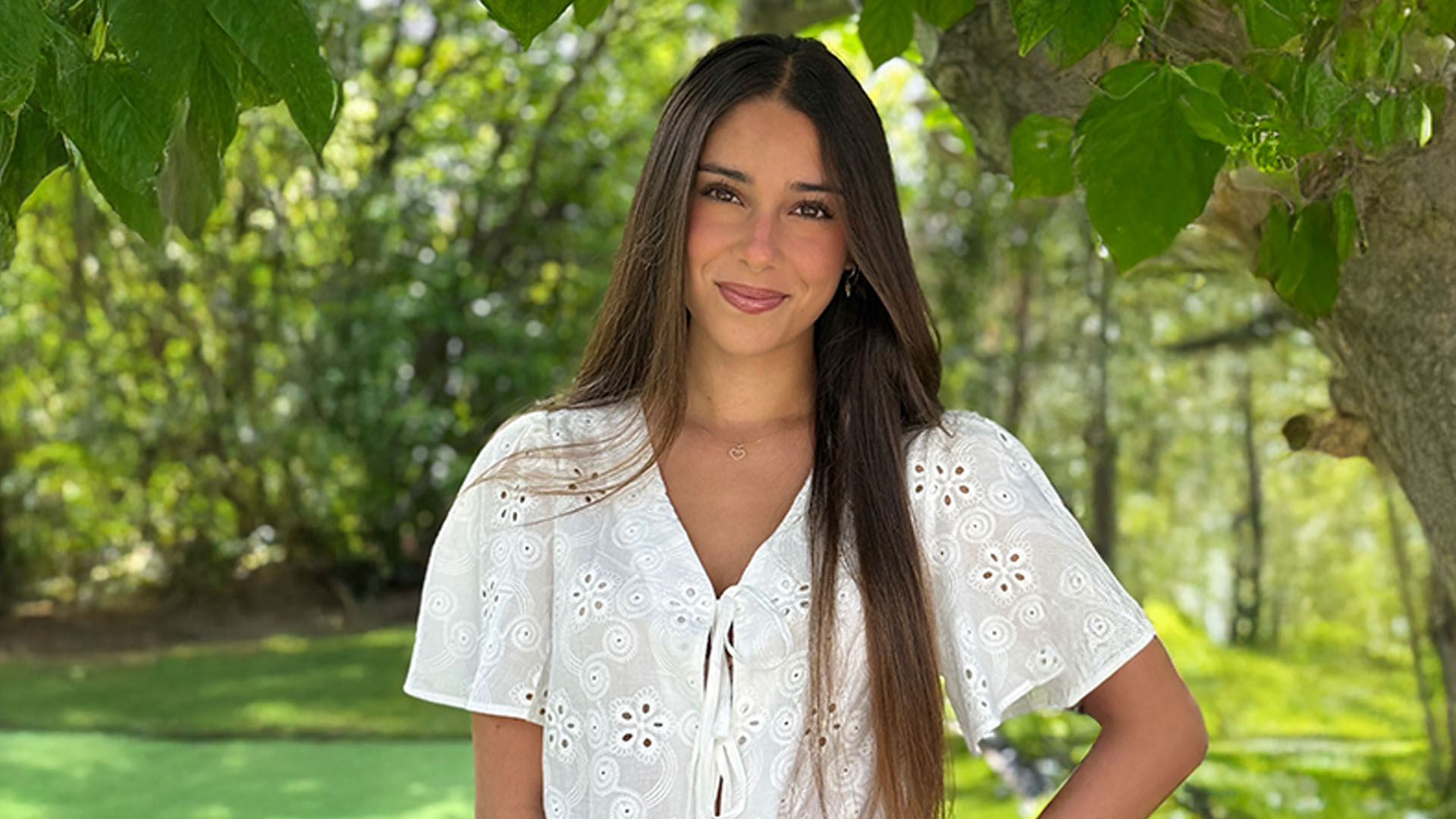
Photo courtesy Alex Sunshine
Alex Sunshine is a junior at the Archer School for Girls in Los Angeles, CA. Her father was diagnosed with Parkinson's disease in 2011, inspiring her to start a teen-to-teen support group, The Circle of Helping Hands—a safe, understanding, and supportive space for teens who have a parent living with Parkinson’s disease.
How did growing up with a father who has Parkinson’s disease affect your childhood and teenage years? I developed patience, adaptability, and emotional awareness at a very early age. I saw the small changes—how he walked, moved, and how his energy shifted. I felt embarrassed bringing my dad to events because his symptoms made him stand out. Some people didn't understand and assumed things about him, and I was bullied because of it. The embarrassment sometimes made me feel like I had to choose between protecting him and fitting in with others.
What was it like not having many peers who understood what it meant to have a parent with a neurological condition? It felt really lonely. It wasn’t something my friends could really relate to, and I didn’t always know how to explain it without feeling like I was “trauma dumping” or bringing something heavy into normal conversations. It felt easier to keep to myself than try to put into words what it’s like to watch your parent struggle with things like talking, remembering, or just getting through the day. While other people were focused on typical teenage stuff, part of me was always thinking about what was happening at home. I felt deep emotions when my friends would call their dads to pick them up from somewhere and I couldn’t.
How has Parkinson’s disease changed how you communicate and connect with your father? As I've grown older, my embarrassment has gradually turned into respect for his strength and a deeper sense of empathy for others facing challenges that aren't always visible or understood. It’s hard for him to talk, remember things, and follow conversations, which makes even simple interactions challenging. Sometimes our conversations feel one-sided or fragmented, and that can be frustrating and sad for both of us. There’s a sense of loss—of his health and the way we used to communicate and relate to each other. I’ve had to learn to find meaning in smaller moments, like just sitting together or sharing quiet time. Even though communication isn’t what it used to be, the relationship is still there, just in a different form.
What inspired you to create The Circle of Helping Hands? I started volunteering at Teen Line—a teen-to-teen crisis hotline where you can call or text about anything and be heard without judgment. Through listening to other teens, I realized so many of us are struggling silently. There’s so much pain, pressure, and loneliness that people don’t see because on the outside, everything can look completely normal.
What’s been the most powerful for me is seeing what happens when teens finally feel heard. There’s this shift—you can feel it even over the phone. At first, there’s hesitation, like they’re not sure if it’s safe to open up. But when they realize someone is truly listening and not judging them, they start to let everything out. And in that moment, it’s like the weight they’ve been carrying alone finally has somewhere to go. It doesn’t fix everything, but sometimes just being heard, really heard, is enough to make things feel a little less heavy.
I heard the relief in people’s voices when they realized they weren’t alone, and it made me realize how much I deeply needed that too.
I created The Circle of Helping Hands from a place of, honestly, a lot of loneliness. There were moments when I wished I had someone my age who understood my exact situation without needing a long explanation. They wouldn’t understand because they didn’t know what it’s like to be a teenager and have a parent living with Parkinson’s disease. I didn’t have a space to share my own emotions, so I would find myself in dark moments that felt isolating and lonely.
Teen Line is great for general support but talking to others who really understand your exact situation means that you don’t need to explain everything from the beginning. It makes you feel less alone, and that's why I do what I do.
What do you wish more parents, caregivers, or health professionals understood about the lived experience of teens whose parent is living with Parkinson’s disease? Growing up with a parent who has Parkinson’s disease can feel like you’re grieving changes while still trying to show up for school, friendships, and everything else expected of you. It’s hard to watch a parent struggle to speak or feel helpless when you don’t know how to fix anything. I wish there was more understanding that teens don’t always ask for help, even when they deeply need it. We’re not just “adjusting to a diagnosis,” we’re growing up alongside it, and it becomes part of how we see the world, love our families, and carry emotions we’re still learning how to explain.
What do you hope teens and their parents or caregivers learn from your story and from the community you’re creating? I hope teens learn that they don’t have to stay silent just because what they’re going through feels heavy or different. Their experiences are valid, and there are other people who truly understand what it’s like to struggle in ways that aren’t always visible.
For parents and caregivers, I hope it creates more awareness of how much teens can keep to themselves, even when they seem “fine” on the outside. It’s important to really listen and try to understand, not to respond with quick reassurance. More than anything, I hope The Circle of Helping Hands shows that healing and support can start with something as simple as being heard, believed, and valued with empathy.