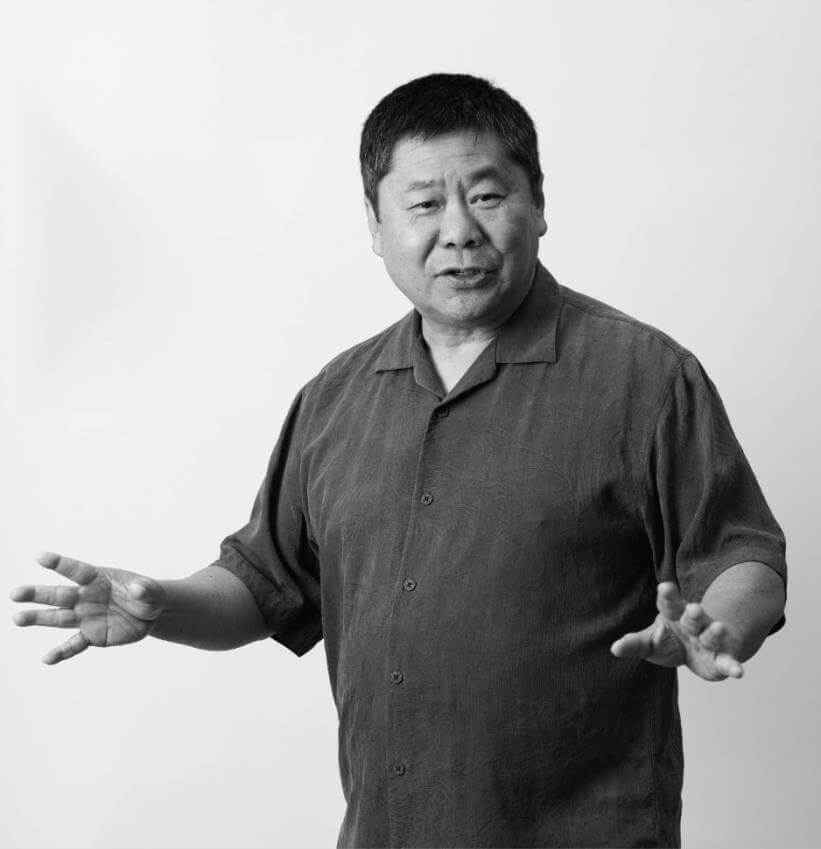
In this episode of the Brain & Life Podcast, co-host Dr. Daniel Correa is joined by Brason Lee, a writer, social worker, and traumatic brain injury survivor. Brason shares his journey from a severe ATV accident at 18, through rehabilitation, to a successful career in social work and advocacy. He discusses the challenges of recovery, the importance of supportive relationships, and his motivation to write and share his story to inspire others. Dr. Correa is then joined by Dr. Erika Trovato, Associate Chief Medical Officer and Chief Quality Officer at Burke Rehabilitation. Dr. Trovato discusses returning to work and your community after a TBI and building new dreams after rehabilitation.
Follow and subscribe wherever you get your podcasts!
Apple Podcasts Spotify Libsyn
Additional Resources
- Surviving and Thriving After a Traumatic Brain Injury
- What Is Traumatic Brain Injury?
- How Sports Neurologists Protect Football Players’ Brains
- Brain Injury Association of New York State
Other Brain & Life Episodes on this Topic
- Veteran Lindsay Gutierrez is Reaching New Heights with Traumatic Brain Injury
- U.S. Soccer Legend Briana Scurry on Concussion and Mental Health
- Healing the Traumatized Brain with Dr. Sandeep Vaishnavi
Follow us!
- Guest: Brason Lee @Brason.Lee ; Dr. Erika Trovato @Burke_Rehab
- Hosts: Dr. Daniel Correa @NeuroDrCorrea; Dr. Katy Peters @KatyPetersMDPhD
- X: @BrainandLifeMag
- Instagram: @BrainandLifeMag
- Facebook: Brain & Life Magazine
We want to hear from you!
Have a question or want to hear a topic featured on the Brain & Life Podcast?
Record a voicemail at 612-928-6206, or email us at BLpodcast@brainandlife.org.
Episode Transcript
Dr. Daniel Correa:
From the American Academy of Neurology, I'm Dr. Daniel Correa.
Dr. Katy Peters:
And I am Dr. Katy Peters. And this is the Brain & Life podcast.
Dr. Daniel Correa:
Saludos and welcome back to the Brain & Life podcast. Now, we have heard so many inspiring stories from people and their families living with a variety of different neurologic conditions. But one of the topics or areas we don't often get to is really hearing about the scope of the transition back into life and community and work and making new dreams. So, Katy, I know this is a hopeful endpoint, of course, and discussion for you with your patients with different neurologic cancers. How and when do you bring that into the discussion about what their future and dreams could look like?
Dr. Katy Peters:
Well, this is a very deep, thoughtful question for the start of 2026. I feel like I was reading it over and over again to get the right tenor. But really, after a brain tumor diagnosis, it is common for a patient's life to sort of completely transform and change. And it involves family or social life. Maybe it's a professional or occupational concern. I try to involve this very early. So particularly in the first new patient, outpatient visit. It's hard to do it in the hospital. I think it's a little bit about healing. But when it's an outpatient, it's controlled setting where they can really feel like they can ask questions. And what I find is it's less about the diagnosis at that point and more about sort of what are the resources we're going to do to help you and how can we support you. And that can be through certain therapies, like occupational or physical therapy. Maybe it's cognitive therapy and other support services and resources.
Dr. Daniel Correa:
And I'm wondering, as things move forward in the process of their treatment and it starts to become even clearer that maybe they are responding well to the different treatments, manage well to some of the surgeries or different steps that you take, I wonder if there's a point sometimes you almost have to encourage or challenge people to expand what they're thinking about for their future. Because a lot of times, it's just about getting to leave the hospital or even, in some cases, particularly for the conditions you treat, really just a thought about survival. But once it's clear that that point of hope is there, I imagine, like with all goals in our lives, sometimes we need someone that says, "No, even more is possible. What do you want?"
Dr. Katy Peters:
Yeah. It can be like, definitely for family planning, you can be like, "You're going to be fine. And yes, you can have a family and a baby." And it's very exciting and to have that. I recently had a patient who just had a baby after going through a full round of chemo and radiation. And now he has a wonderful little family. And it's just so great to see that that was able to happen.
Dr. Daniel Correa:
That's a hopeful privilege. I hope that more physicians and the patients and families they help support get to celebrate, to start talking about that new point in the future.
And this week, we're exploring this kind of exact perspective with a longtime Brain & Life listener and reader, Brason Lee. So, he's now 44 and has returned to work, got degrees, helped support others with different neurologic conditions, got married along the way, and achieved so much more than even his teenage self had thought about for himself. And as you'll hear, many of his own teenage ideas and dreams were violently interrupted by an all-terrain vehicle accident. He got flipped over when he was 18 and had a very severe traumatic brain injury. And I imagine, and as you'll hear at first, the hope probably was just survival and then just being able to walk. And heard lots of grave perspectives about his possibilities for future. I think Brason's story is a great example of continuing to reassess and grow towards more dreams and future. And he shares with us the full scope of his journey and the steps he and his family have taken to support him as he grows further.
Make sure to stay tuned throughout the whole episode and catch my discussion with Dr. Erika Trovato. She's a brain injury rehabilitation expert at Burke Rehabilitation center. And there we'll discuss TBI or traumatic brain injury rehab and some of the challenges of how and when to bring in both short and long-term dreams and growing on those.
Welcome back. And today, we're joined by Brason Lee, a medical social worker, research scientist, and a 44-year survivor of a severe traumatic brain injury while he was riding an ATV, an all-terrain vehicle, that nearly required two years of rehabilitation. Against much of the narrative that there might be about traumatic brain injuries and brain injuries, Brason returned to college, completed a degree, earned graduate degrees in social work and gerontology, and worked a three-decade career advocating and lobbying for the importance of social work, working in research along with AARP, and in public maternal and child health work in the California's Department of Public Health.
Brason now uses his experience to support other survivors and families, writing about his own experience, his lifelong journey, and his identity. And his essays have been featured both in Brain & Life but also professional and academic journals to help reach healthcare professionals. And he's completed a memoir named Without a Helmet. So, we look forward to hearing more information about that being published in the future. Brason, thank you so much for joining us here today.
Brason Lee:
Thank you for inviting me.
Dr. Daniel Correa:
So, I mentioned it's been 44 years and your injury happened when you were around 18. But take us back to your high school and early college years before the injury. Introduce us to that teenage, young adult Brason.
Brason Lee:
I just turned 18. So, the before-injury Brason was, I just completed high school. I worked as a part-time salesman at what they call Montgomery Ward. It's like Sears back then. And that was fun. And I went to school. And on my first semester break, I was playing around with my friends and riding on 24th Street Pier. And my ATV motorcycle flipped over, and I wasn't wearing helmet. And I was in coma right away, taken to hospital. And they admitted me to emergency room. And my parents found me the next day. And that was the beginning.
Dr. Daniel Correa:
Wow. So, I mean, as far as you know, you were out and unresponsive at the scene of your accident. And that was right there from the beginning.
Brason Lee:
Right there from the beginning. I wasn't wearing helmet. And the ambulance attendants, I looked at their log and they said that I had blood in my scalp. So they were concerned that I had a lot of damage. So they called a neurosurgeon to lead my care.
Dr. Daniel Correa:
Wow. And you mentioned your parents found you the next day. So I imagine family members and parents who might be listening are imagining the idea that it sounds like they didn't know where you were.
Brason Lee:
No. Actually, 24th Street Pier and the hospital is about four miles distance. And the ambulance had to drive past my house to get to the hospital. And they didn't find me the next day. See, my mom stayed up all night wondering how come I didn't come home. I guess she first started getting mad. I'm sure she got mad. I didn't come home and didn't call. But the next day when my sister woke up and realized my mom was still waiting for me, she started calling all the hospitals in the San Diego County area and all the police stations and everything to find out where I was. Their last call was a hospital not too far from my house. And they said, "There's a Brason Lee and he's in ICU." And that's how it started.
Dr. Daniel Correa:
Wow.
Brason Lee:
It was pretty frantic.
Dr. Daniel Correa:
And from that point forward, what was your next memories that you're able to recall of what happened next for you?
Brason Lee:
Well, I started coming through. It doesn't come through like in the movies where you wake up and all of a sudden you're alert to everything. I only remember snippets of things. For example, I remember seeing images of dinosaurs on wall. I guess I was in the pediatric section of the hospital. So I remember seeing pictures of dinosaurs. I remember the smell of baked bread. And everything was very slow. I remember they tell me that I was yelling for jello all the time. For some reason, I liked jello. When I woke up, I was yelling for jello. I remember the lights in the room, even the ones that cracked through the door, bothered me. And I was yelling, not yelling, I was crying out. They had to cover up the door so the light wouldn't bother me. And everything came snippets at the time.
Towards the third week of my hospitalization, I remember getting irritated by a neuropsychologist who was testing me. And what irritated me was his red hair. He had red hair, and that red color irritated me. And apparently, he had to kind of play with me to get me to calm down. And I remember leaving the hospital in a wheelchair. But I spotted just snapshots, like islands of memory.
Dr. Daniel Correa:
Now, before this, were you always have a very short fuse or were you very irritable, or this was a change even in your personality right off in the beginning?
Brason Lee:
It was a change in personality. I was many things to many different people. I was kind, but I was a little... Sometimes I was kind of reserved, and sometimes I was like an extrovert. I was extrovert when I was in the sales floor. I was an extrovert. From age 9 to 18, right before injury, I was active in the karate world. Back then, there was a TV show called Kung Fu, and it was Bruce Lee. So all the kids were joining karate schools, and I was one of those kids. And I was pretty good at it. When I was maybe 12 or so, I was in a competition, Pee Wee team competition, and we won first place. It's kind of like a California statewide competition, and that was a lot of fun. I had a trophy that was almost as tall as me back then. I was a young kid. But that's who I was before the injury.
Dr. Daniel Correa:
Yeah. And in the past, you've described that when you woke up, you had to relearn everything, from holding a spoon to walking across the room. And at first, you didn't even recognize some people in your family. What did those early days of rehabilitation look like and feel like for you?
Brason Lee:
I only have snapshots. And some of the stuff was told to me by my mom. Like, I woke up and I didn't recognize my brother or my sisters and things like that.
Dr. Daniel Correa:
So, there were some things that even before your injury that you forgot, not just like how to do things, but even parts of your memory and your own story and your family's story, that you forgot and had to relearn later on.
Brason Lee:
Right. I had to relearn. And some of the memories that I had kind of trickled back. I recalled certain things that happened years later. "Oh, I remember just what happened." But after a while, it gets a little fuzzy because you don't know if you remember it from yourself or you remember it because you saw pictures of yourself doing certain things as a young person.
Dr. Daniel Correa:
And early on, was there a particular moment or small victory in your rehabilitation that made you think, "Okay, I may be okay. I'm going to be able to build a future after all this"?
Brason Lee:
Well, okay. There wasn't a single moment because there's a lot of little moments.
Dr. Daniel Correa:
Yeah.
Brason Lee:
But the first day that I walked into the rehab center, Sharp Rehabilitation Center in San Diego, I was surprised that the doors opened automatically when I walked up. And then walked inside. I saw a mural of a man progressing from wheelchair to walking. And that was amazing to me. And after I stared at it and looked at it for a while, I realized I can recover, too. But as soon as I followed my sister to the business office, I forgot all about it, that image.
But the one thing that... The therapists that I work with, all of them were really nice. But my speech therapist was very impactful. She and I talked a lot. She kind of helped me out on all kinds of things from the beginning. For example, I remember one time I spoke with her. I said, "Some people are saying that I'm spaced out." And I said, "Am I spaced out?" And she goes, "No, you're tuning in and tuning out." I said, "Oh, okay." That made everything okay to me, made it more understandable. So, little things like that that comforted me. And over a period of time of working together with her, for almost a year and a half, our what you call therapeutic relationship, her alliance, became strong, very strong. And it was through my talking with her and the dreams that she shared with me about what I could do in the future that inspired me to continue.
Dr. Daniel Correa:
Yeah. And so, as I mentioned in the introduction, and you've said you had a severe traumatic brain injury, but each of these kinds of injuries can be very unique. And the types of challenges can be particularly unique for each person. Help our listeners know and understand what you know and understand about the type of injury you had and the problems that you went into rehab with to work on.
Brason Lee:
I had a severe cerebral contusion. And right now, it's been nearly 45 years since my injury.
Dr. Daniel Correa:
What do you know or what do you recall about how your family dealt with these changes and these severe challenges that you were having at the time?
Brason Lee:
Oh. When I first came home... Both my sisters are older than me. They're about five to eight years older than me. And they kind of protected me, surrounded me so that if I walked and I fell, they would catch me. But my dad and I, after the injury, didn't get along very well. In time, I realized what was going on is that he just didn't know how to respond to my injury. So he just kept working. After the injury, my younger brother, who was nine years old at the time, he just stayed in school. And stuff like that. And so, it's just basically my sister and I who did things. And my mom took care of things. She was always there. She's Chinese. She speaks mostly Chinese back then. So my sister was the go-to person to mediate between the doctors and me and the therapists and stuff like that. But they were very protective of me.
I remember, I think sometime in the first week or two after I got home from the hospital, my mom went to the hospital and I couldn't understand. So I locked myself in a room and I started saying something about I was killing my mom, which was not true. But at that time, that's when they decided that I should move in with my sister, my older sister. So I stayed with her for a few months or a year or two because she could calm me down and she took me to the hospital and took me to rehab and things like that.
Dr. Daniel Correa:
Glad that you had such a supportive family and sisters to step in. One of the things you've mentioned in your writing is finding hope in fragments in life. And you gave an example earlier about the mural that you saw. Were there other things that you heard from the people who are helping support you and care for you that helped you find those little fragments of hope?
Brason Lee:
Oh, yeah. I sometimes found hope in animated objects, just pictures and... Let me backtrack. I'm reflecting on back then which was hope, which I found was hope. But back then, at the moment, I was consumed by the injury and by the loss of the person I used to be. That was very challenging. But my speech therapist was great. So every session I had with my speech therapist or my occupational therapist and speech therapist, they were all good. By the way, at that time, I was 18, and they might have been 25 or so. So they were relatively young, and they related with me, and I related with them. So, that was really good. Yeah.
And I liked smiles. I liked it when my physical therapist and I, we exercised with weights and lifting balls and playing catch and stuff time. One time we were playing a word game, and she got excited. She said, "I got a word that describes you." She said, "Mischief." And I said, "What does that mean?" She goes, "That means you're playful." And I just loved that. Plus, she has green eyes, green eyes, and it sparkled. And I thought I was in kind of like a Chitty Chitty Bang Bang movie. That scene, it was all toys and games. And I just thought... I just had a nice time. I don't think I had a nice time back then. But now that I reflect on it, it was nice.
Dr. Daniel Correa:
Were there any things, words or actions that people did, maybe with good intentions, but backfired in your experience as being a young survivor trying to rehabilitate this injury?
Brason Lee:
I was in a rush to get back, to become normal again. So I had a lot of people... Luckily, I had a lot of people who were patient. But if you were to push someone to hurry up, that might add a lot more pressure. About two or three years after my first initial discharge, I met with a vocational counselor. And she talked with me about all kinds of things and gave me a questionnaire test, a test instrument. And I filled it out thinking that those were forms for me to volunteer at the hospital. But eventually, she said that the test scores showed that graduating from college was unrealistic. So, that was kind of hard for me to take in. And it would have been real easy for me to just quit there.
But after a while, I stood up and said, "But my speech therapist," who I trusted so much, "she said I can do it." At that point, she kind of like asked me to call one of my family members in so she could talk with her. But eventually, she talked with my family member, my sister, and told her, explained why it was unlikely that I would succeed in school. And when my sister came home, she actually said, "Don't be pressured to finish." But I was holding on to my speech therapist's word so tightly that I didn't want to give up. And that's a real long story. But eventually, I held on long enough that I eventually graduated from college.
Dr. Daniel Correa:
Wow. And then multiple graduate programs, too.
Brason Lee:
Yeah. It took me seven years to graduate from a four-year degree. The first three or four years were tough. And my last two years of undergrad school was easy because... and I shouldn't say it was easy, it was easier than the first few years, because the beginning, I had to work on memorizing facts, like history and stuff like that. And I had a terrible time with that. I failed a lot of times. But what helped me was, by the time I got into my junior year and senior year, I wrote a lot of papers. And it was through my tutors and teachers before then who taught me how to research things and how to write papers and how to structure a sentence so the main point comes out. That helped me a lot. And I ended up writing good papers, papers that people recognized. And that's where I began to shine.
And once I began to shine, once I found my niche, an area that I was strong in, that's when I started to excel a lot. So, what started off as super, super hard got easier. And I found a little niche, because I can write well. And I went to grad school, because everybody in class was going to grad school. And I didn't know what to do after that. So I went to grad school. And in grad school, I also excelled. There were moments when the teachers told me, 10-20 years later, that I was a step behind everybody. I was having a hard time with this and that. But I was good in writing. And that's where I excelled. Because in grad school, do quite a lot of writing.
Dr. Daniel Correa:
Another thing that you've described is what you feel like was at times living a life under the shadow of your traumatic brain injury. How has the injury continued to show up in your day-to-day life?
Brason Lee:
Right now, it's morning time. And I'm probably at my peak in the morning, early morning. I told my wife before our meeting today that I wanted the whole morning to be peaceful and quiet so I can relax. Because once I start getting active or once my head starts getting filled with a lot of things, that's when I start to tire out. And about 2 o'clock today, I'll be very tired. Sometimes I take naps now. And by about 5 or 6 o'clock, I'll be ready to go to sleep. So, now I get exhausted sooner than before.
Dr. Daniel Correa:
Yeah. And you describe that and bring up kind of this comparison to how you were before and at different stages in your life. And earlier, you mentioned the challenge of grieving who you were before the injury. And I'm sure there's been various changes for you through your life. What has helped you move forward from grief of that loss of who you are or who you were towards acceptance?
Brason Lee:
That's a fascinating question. Can I summarize it all in a few words?
Dr. Daniel Correa:
Sure.
Brason Lee:
I guess I could. In the beginning, first five, eight years, you're consumed by the injury. Okay? So you're in the groove. And all you think about is your injury or the person you used to be. But one of the magical things of what my speech therapist did for me was she talked about what could be. And she talked about it so much that I liked it a lot. And I always kept looking. So I stepped. Because a lot of times, people want to know the future, especially survivors. They want to know what the future is going to be. And for me, I didn't know. I kind of moved forward not knowing what the future is going to be. And that's where you start to find yourself by moving forward.
And after decades, I realized that I'm accepting of myself now because I know that I gave it my all and tried very, very hard. And I almost failed. I almost failed several times, many times. But I know that I did my best and I was able to achieve many things. I failed many things. I've achieved many things. But I'm comforted in knowing what I've accomplished, and I'm satisfied with that.
Dr. Daniel Correa:
That's amazing. Now, we mentioned in the introduction that several powerful first-person pieces that you've written to share your story with Brain & Life and with medical journals. And you've completed a memoir that we all hope to read in the future. What led you to start writing about your brain injury? And what do you hope that survivors and readers take away from your story?
Brason Lee:
Okay. I began writing my story about 12 years after my injury. Okay, well, let's backtrack. I graduated from undergraduate school, went to college, and from college to university. I had the opportunity to work in Washington, D.C., in the Capitol Hill. And I met some really great, wonderful people. And when I returned to California, as a Southern California kid, I was used to sunny weather and everything. And when I moved to L.A., it was okay. But when I moved to D.C., it was a total different world. And I couldn't get used to the four seasons and all that stuff. So, eventually, after almost three years, I returned to California. And I moved to L.A. to work at the VA Medical Center there. And during my private time, I ended up thinking about writing down what I've accomplished, mostly so that I could remember what I did back then. So, I took a class at UCLA Writers' Program, and one of the instructors there liked my story, and I hired her to be my consultant. And we started writing for about three years to get my first draft done.
I started off writing for myself, but after a while, I started writing for others so that others can see the possibilities of what could be. Because when I was 18, there wasn't anything written about brain injury in children. And there was very little written back then. So I was documenting my history and I was writing for the kids, the future kids, so they can see that there's hope. Because when I was young, I was looking for someone that I can grasp onto and say, "He or she did it, and I want to do the same thing." I didn't have that. But I'm hoping that my story will resonate for survivors, families, and even therapists. Because I would venture to say that most therapists don't know what happened to their clients 30 years later or 40 years later. So, I run it mostly to inform people, everybody, about the impact that a single action could have.
Dr. Daniel Correa:
I wonder, have you thought about what Brason, shortly after the injury, maybe leaving the rehabilitation hospital at 18-19, would think about everything you've been able to do in your life now?
Brason Lee:
The 17-, 18-year-old kid that I used to be would not have ever imagined what I've become. I don't think anybody, no one could have believed what I've done. If I didn't live through it, I wouldn't believe that I did what I did. But I wrote one time that I moved ahead because I was a kid who didn't know better, something like that. And it's true. I didn't know better. I wasn't setting out to accomplish everything that I accomplished.
The reason why I got a job in D.C. is because I had an internship there. I went to USC, and they had a program working in Capitol Hill that I signed up for, and they accepted me. But how I landed a job, internship there is because the people who were working there, they read some of my papers, and they liked my papers. So, what I did as a junior, it really helped me out towards my career. And that became my career. I wrote a lot of papers. That's what I did for almost 30 years. When I was a social worker, I wrote a lot of progress notes. Back then, they started having electronic progress notes. So every time I did something, I wrote a little note. So people liked it because they knew exactly what I was doing. So, that was good.
Dr. Daniel Correa:
And Brason, thank you so much for sharing everything about your stories and all the different ways you're writing and joining us here today. And before we go, I wanted to see, if you were speaking directly to a teenager, another young adult and their family shortly after a severe brain injury or severe TBI, what would you want them to know about recovery, their identity, and their life moving forward?
Brason Lee:
Take it slow. Don't go too fast. Don't rush yourself. And as hard as it can be, try to step forward. Step to something that's unknown. And eventually, something will open up and fill your world. And sometimes, as much as I've been talking about my being successful at this and successful at that, I was also not successful in other things. So I found a little niche, and I developed myself so that what was strong overshadowed everything that was not so strong.
Dr. Daniel Correa:
Well, thank you so much, Brason, for sharing your story, writing and sharing your voice with all of us. I really look forward to reading some more of your materials. For our listeners, we'll have links to some of the writings that Brason has shared in our show notes. And stay tuned now for our discussion with our medical expert.
Brason Lee:
Thank you.
Dr. Daniel Correa:
Are there questions you have about living with and thriving with one of many neurologic conditions? We're excited to start taking your questions and feedback and sharing those responses here with you on the podcast. You can also email or record an audio message and send it to blpodcast@brainandlife.org.
Welcome back to the Brain & Life podcast. Now, this week, we're keeping it all in the Bronx and in New York State. And I'm happy to introduce our listeners to a friend and colleague here at the Montefiore Health System, Dr. Erika Trovato. She is an associate chief medical officer and the chief quality officer at Burke Rehabilitation center, a specialized rehabilitation center affiliated with the Montefiore Health System that really has specific skills for brain injury rehabilitation. She's an award-winning physician and scientist with contributions to brain injury care, advocacy, and partnership with patients, families, and the communities that she works in. And she's received Excellence in Health Care Awards at various settings. And we're really glad to have her here joining us on the Brain & Life podcast to talk and reflect about Brason's story.
Dr. Erika Trovato:
Thank you so much for having me, Dr. Correa. I really am quite honored, and I look forward to discussing all about brain injury here on the podcast.
Dr. Daniel Correa:
Yeah. And through the podcast and the interview we did with Brason, we referred to him by first name. So if it's all right, we'll keep it Daniel and Erika.
Dr. Erika Trovato:
Sounds like a plan to me.
Dr. Daniel Correa:
So, Erika, I wanted to see if we could start off. Brason shared with us this story of a severe traumatic brain injury after being pretty much catapulted from an all-terrain vehicle in his young, I still think young, but 18-year-old, teenage years, really at a time when he didn't even have a whole sense of what his future and where he was going. And wanted to get in context, that severe injury, going into the hospital, after things are stabilized in the ICU, what are some of the things individuals and their families should be thinking about, the long-term rehab after that ICU stay?
Dr. Erika Trovato:
That's a great question. And unfortunately, right, no one asks to have a brain injury. So when it happens, it's devastating. And while the patient is being medically stabilized and such in the hospital, your caregivers and your loved ones are thrown into a position where they have to, a lot of times, make choices on behalf of their loved one. And their really essential relationship that they build with the providers and the staff at the acute care hospital is key to advocating for them to access acute inpatient rehabilitation.
So, just a little bit about Burke. We are a nationally recognized acute inpatient rehab center. So, what that equates to is providing high-intensity therapy at least five days out of the week to support patients in their neurological recovery or any other type of a recovery from a medical condition that has really affected them from a functional status standpoint. And so, it's really important for patients and caregivers to partner with the staff at the acute care hospital because not everyone knows about acute inpatient rehab. And we often find that out, unfortunately, when circumstances such as Brason's occur.
And for Brason, his story is, for me, quite common in the sense that we see these traumatic brain injuries occurring when patients are at that younger, risk-taking type of age, and then also as patients who are older and they're sustaining falls with a lot of other medical conditions or they're on medications that make it a higher risk for them to sustain these types of injuries to their brain. And then these injuries will cause a cascade of events leading to difficulty, perhaps with mobilization or ambulation, ability to take care of themselves, with tasks that we all take for granted to some degree, eating, grooming, dressing. And then their cognition, their thinking skills. And all of these things are at risk when sustaining a brain injury. And then rehab is important to help support patients to be able to return to a quality of life and a dignity that they are going to be able to sustain for the rest of their life.
Dr. Daniel Correa:
Yeah. And Brason shared with us this kind of, from his perspective, that almost needing to relearn so much of what he had done before, even just walking, talking, eating, and that there was really a lot of uncertainty that was put on him and his family about what he was going to be able to do and spent months in intensive rehabilitation over various years. How different or similar is that to the variety of severe brain injuries that you've seen in those individuals and families you've supported?
Dr. Erika Trovato:
Great question. So, I live by the mantra that if you've treated one patient with brain injury, you've treated one patient with brain injury, because every single patient is different. And so, part of our job as physiatrists and an interdisciplinary rehab staff is to ensure that we're taking a full assessment of the patient's deficits, how that compares to how they were prior to the injury occurring, but really making sure that we're matching an individualized approach for each one of our patients, and making sure that that also complements what that patient's goals are. So, someone who's 18 years old, what their goals are and what their expectations are for themselves will differ, likely, from that of an 85-year-old individual who sustained a brain injury.
And so, I think it's especially challenging in someone like Brason. When the event happened, like you alluded to, he didn't even know what the possibilities were at 18. And yes, I concur that is definitely young, that at that age, you're not really sure of the next steps. But setting goals, having those discussions with the patient and their caregivers and loved ones are essential to be able to kind of map out the next steps of their journey and making sure that us as rehabilitation specialists are able to support the patient down that journey.
Dr. Daniel Correa:
And like Burke, there are various centers around the country with really a more specialized approach to neurorehabilitation, particularly for these types of brain injuries. How is the care and the system different in that setting than just many of the other rehabilitation and inpatient and outpatient facilities?
Dr. Erika Trovato:
Absolutely. So, here at Burke, we are what's known as CARF accredited. So we have an organizational body that comes in, and it really does look at the programmatic structure and the way in which we approach patient care. And so, we are CARF accredited for stroke, for brain injury, for spinal cord injury. And this is a means by which you are able to kind of look at a landscape of different rehab facilities to see who have this specialized accreditation, knowing then that the programs that they have in place are specialized and looking at patient outcomes.
Burke has really developed and refined our processes, not just on our inpatient unit, because the goal is to get our patients home. So making sure then that we provide those services, not just in a physician follow-up outpatient clinic, but also with the therapies that we provide on the outpatient side. So, for example, Burke has 15 outpatient locations throughout the metropolitan area that service our patients, because we don't want to lose a step, if you will, in their continued recovery when we send them home from an inpatient setting. And so, those are some of the things that you can look for, right? We want to be able to service the entire continuum of care for our patients, meaning from the time when the injury occurs all the way through to when they are home, and wanting to support them through integration back into the community, and again, marrying what it is that they have as far as their goals and being able to support and make sure that that happens for them.
Dr. Daniel Correa:
Yeah. And unfortunately, there aren't as many of these really specialized facilities as would be ideal. They're not all within 20-30 minutes from where each person lives. So, I know in my experience being with the patients and their families on the inpatient side and helping them consider their options and the needs that they're going to have specific to the type of stroke or the brain injury that they had, there can often be a bit of a struggle deciding how to balance being close to family and their support system during that inpatient rehabilitation or really getting to the center that has the best and most specialized care in their region. How do you think and discuss that kind of approach, either for the patients and families that you interact with, or maybe even, I'm sure, like you do, you probably get questions from family and friends about, "Oh, where should my loved one go for this situation? And is it worth the extra hour and travel or so?"
Dr. Erika Trovato:
Yeah, absolutely. So, I think it really does come down to, again, having communication, open communication and transparent communication about what the options are. Because what I think you're talking about is access to care, right? And so, you're 100% right that there are limited resources in certain areas across the country compared to others. We are lucky in the sense of where we are geographically with access to this type of specialized care. But it really does come down to patient and caregiver choice.
That being said, again, when these events happen, unless you've been through it before, which we don't wish that upon anybody, but unless you've been privy to this information prior, this is a lot to be considering and thinking about while also hoping and praying that your loved one is going to continue to recover. So, I think being able to partner between that of an acute inpatient rehab and that of the acute care hospital is really important to be able to give that education to patients and loved ones.
And really, also speaking to knowing that rehab is essential, especially right after an injury occurs, right? So that three- to six-month mark is really important for intensifying the amount of therapy that you're getting and the specialized therapy that you're getting. And so, trying to give it also context in regards to the timeframe, meaning we want the patient to put the hard work in now so that we see the recovery and we see the prognosis for continued long-term recovery that may have been hastened if they weren't given that potential early on. I say that tongue-in-cheek, too, because I know that there's considerations when you have a family at home or there's a lot of different considerations from a personal standpoint, geographically and such.
But I think, again, it's that education, it's partnership between rehab and acute care and ensuring that you instill a sense of trust and wanting to ensure that the patients have every ounce of potential possible to have the best outcome, which will be for the rest of their life.
Dr. Daniel Correa:
Yeah. And Brason, in various settings, both the podcast, online, and the Brain & Life magazine and articles, has shared, at different stages in his rehabilitation and return to community and work, that he had a lot of behavioral and mental health challenges. And families often describe that early in the rehab period and many times in different transition points, that it can be very emotionally intense for them, but also for the individual with the brain injury, there can be confusion, agitation, personality changes. And you've helped lead several behavior management programs. So, how do you explain these changes and looking out for when they might impact things to the families and to the teams that you help coordinate?
Dr. Erika Trovato:
Absolutely. And I tend to think of this as part of the specialized training that I've had through fellowship in brain injury medicine, because this is what the expectation is for this patient population a lot of times. And it's a result of the injury to the brain, where that happens within the brain itself, and how the brain regulates itself. And so, it's oftentimes one of the most challenging parts for a loved one or a caregiver. Because we'll look at their loved one and say, "Well, before this accident, they were this loving, sweet, caring, compassionate individual who did X, Y, and Z in their daily life and all of these different roles that they had. And now the patient may be angry, frustrated, confused, irritable, unable to complete tasks that before would have been very, very easy for them." And so, it really is, it's education to their loved ones that this is most likely not how they're going to be for the rest of their life. It's part of their recovery. It's as a result of the brain injury, right? I always would say, "It's not the patient, it's the brain injury," right? And so, to kind of separate the two, to make it feel as though it's not voluntary, it's because of the injury, to take some pressure off of the patient, to make the family try to understand that they don't necessarily have control.
Really, in inpatient rehab, it's a lot of programmatic approaches, right? Maybe this is what the patient needs in regards to reducing environmental stimuli, right? Maybe it's the number of visitors that are coming in to see the patient. Maybe their sleep-wake cycle is dysregulated. Maybe some of the medications that they needed on the acute hospital side are things that might be potentiating their agitation now currently in rehab, and those things have to be peeled off. Maybe it's a side effect of an interaction that they're having with a visitor. Maybe it's their cell phone. It could be so many different factors that are contributing to their behavior. And our job is to really take a gestalt or a real 40,000 bird's-eye view of the patient and all the possible contributors that could be triggering the patient. And then we really drill down on each one of those. And that's where that personalization, that's where that individualization and our therapeutic approach really matters.
Also important to this is to partner with the caregivers and the loved ones to figure out, "Well, what did bring the patient so much pleasure in the past? What are their hobbies? What are their likes?" And so, being able to also try to utilize those aspects and help foster that feeling of comfort is something else that we really try to make sure that we individualize for the patient as well. And that's where this robust team at Burke Rehab are really important in working together, fostering that communication, and making sure that we're remaining patient focused at all times.
Dr. Daniel Correa:
That's speaking to kind of some of the emotional and the behavioral side of things. In addition to that, the brain injury community, including Brason, talk about living under the shadow of the brain injury, even for decades later. And you've also noted that if someone doesn't need surgery, the lack of a visible scar sometimes can lead to judgment and isolation and stigma for the other changes that people don't understand in that person. So, what are some of the other invisible symptoms that individuals might experience after a moderate or more severe traumatic brain injury that the community members or their employers may not understand?
Dr. Erika Trovato:
Absolutely. And I think you hit the nail on the head, right? I oftentimes will refer to this as an invisible injury. If you break a bone, you have a cast. The community, at large, will see that and they'll understand. But with a brain injury, as you said, it's isolating. It may contribute to the mood symptoms that we'll see. There's also the flip side to that, that you don't want to go around screaming to everybody, "Hey, I've had a brain injury," right? Because then with that also comes a stigma. And so, it's having a fine balance between initially when getting back into the home environment, working with your therapists, and letting in your inner circle, if you will, in regards to the knowledge about the brain injury and how you're going to compensate for a lot of the deficits that a patient may be experiencing.
So, what does that compensation look like? That might be in the form of lists that were never needed before. It might be that you have to space out your activities during the day in a way that you'll be able to compensate for enhanced fatigue that you may not have had before. It might be looking for different social groups in different environments. For example, if it's a patient who was rigorous about their exercise approach and going to the gym, well, maybe that now is going to have to be modified to a home-based environment on a different schedule. So, it will first be kind of looking at your environment, looking at your inner circle, if you will, and making sure that you're addressing what you have control over.
When you start going out into the community, there is a knowledge, too, that I think is learned over time, that there are going to be situations that you will have no control over. But you do the best that you can to allow, for example, extra time when you go to the bank, right? So, if you have to go to the bank and fill out a deposit slip or if you have to do complex types of calculations and such, maybe you have a trusted friend or caregiver come with you. Maybe this is something that you're going to sit down and make an appointment for and go through very slowly. You're going to have checks and balances in the activities that you do. You're going to give yourself more time.
And also, I've found that prepared ways of approaching people in your life that don't have knowledge of your brain injury is also going to be very important. We've all been in that situation where maybe someone calls you out on something and you don't know how to respond. But that feeling of being prepared to respond in a way that's comfortable for you and will give that other person adequate information about who you are, having had a brain injury, but that the brain injury doesn't define who you are. It just might be the approach that you take in whatever task that may be.
Dr. Daniel Correa:
I think that's a really helpful thing. And I think even at this point, we're getting to context that can be helpful across various types of neurologic injuries and disabilities or rehabilitation that someone might have, especially when it's not from a visible-type injury like that. And you were just pointing out how essential the caregivers are through the long haul of this transition. And you've described yourself in articles how that relationship changes after a brain injury for the caregiver and the brain injury survivor and how many caregivers can feel overwhelmed. For someone caring for a spouse, a parent, another young adult or a loved family member, what are some of the things that you suggest to help prevent burnout and maybe some realistic ground rules or routines that you think can be helpful for both the individual or survivor and their care partner?
Dr. Erika Trovato:
Absolutely. I can't speak more highly of the essential attention and support that needs to be given to caregivers. Again, no one wants a brain injury to occur. And when it does, it's devastating. And so, it takes a village. And at times, you're going to need a pointed person to be able to really take the helm and support the patient who has had the brain injury. And knowing that that role will ebb and flow and it will change over time, knowing that there are phases of recovery, is going to be essential. So, the support that's needed initially may look very different from what that support will look like in a year or two.
And so, again, at an acute inpatient rehab level such as Burke Rehab, our goal is preparing our caregivers for that time of transition. When they're leaving the cocoon of a hospital setting, going home, having that patient get back into a familiar environment but not able to engage in that environment in the same way that they were able to before is incredibly frustrating. Now you may have to throw into this children. You may have to throw into this a job, other responsibilities that don't just go away when something like this happens. So, one is education right from the beginning, anticipation in regards to what you can likely expect, but also knowing that there's going to be things that come up that are completely unexpected.
Having resources in the community. Now, it may start with, let's just say, a referral for home care services. Knowing who's going to be coming in and out of the house, who's going to also have eyes on your loved one is going to be essential because then not all of the burden is going to fall to the caregiver. Having a good network of follow-up appointments with physicians and those people that are going to be able to really keep a close assessment of your loved one, but then also knowing that from the day-to-day, that that does fall to the caregiver. I've had family members ask me, "Well, what do I do if they start to become more somnolent or fatigued? What should I do if I notice that the patient's not eating as much as they were before? How am I able to deal and approach these types of situations?" So, having them also partner with support systems, whether it's in the medical field, it may be community-based, too, and understanding what their community or what their support system looks like is going to be essential.
Another important thing I like to talk to families and caregivers about are support groups and that you're not alone, and ensuring that the stigma of burnout should not be there, that we are here to support one another, and understanding that there's a community out there. You're not alone, is really essential. And there's an organization I'd like to mention, BIANYS, the Brain Injury Association of New York State. And they have chapters all over the country. It's a wonderful organization that we refer our patients to so that they can keep in contact with patients and be a point of contact with them and their caregivers as they go down this road of recovery and at different stages along the way.
Dr. Daniel Correa:
And as we kind of are wrapping up, I then wanted to think about the future and recovery and whether or not there's a plateau. I think Brason's a great example of having both small and big gains. But many families and individuals hear, "Oh, whatever, recovery hasn't happened in a year or two. It won't happen." Or they hear a variety of possibilities. From your perspective in brain injury medicine, what do you see and how do you discuss with people the initial recovery timeline and what they might be looking for in 5, 10, or even more years after a brain injury?
Dr. Erika Trovato:
Yeah, great question. And yes, I think that Brason's story is an amazing one of how continued recovery can really impact how his life has evolved over time, despite an injury that could have otherwise defined him, but he did not let it define him. So, when it comes to these types of questions, and this is really what's on everyone's mind, especially as they're thinking about transitioning home, I tend to counsel based on what the research is that we have now. And so, really that six-month to one-year mark is important in regards to functional recovery. And it also, we know, depends on a multitude of different factors, including your age, your other medical conditions, your support system, follow-up in medical care, access to care that we've highlighted and such. But I think that there is a multitude now of research studies that are going on, technological innovation. There is an incredible amount of effort finally being put into this realm of medicine that will, I believe, continue to demonstrate that there is possibility for continued recovery over time.
I will say that the studies do show that this intense rehabilitation does have improved outcomes later down the line in regards to longitudinal recovery. And that's why that access to places such as Burke Rehab is so important, because we want to start that recovery as soon as possible. And so, I think Brason's is a great case of the possible. And we want to give our patients every single ounce of potential possible to reach for the stars. And that's really what we're all about.
Dr. Daniel Correa:
And is there one message you would want everyone listening to leave with and remembering about life after a severe traumatic brain injury?
Dr. Erika Trovato:
Never let one moment in time define your entire lifetime. I really believe that these events happen for sometimes explanations that we just can't provide. But that doesn't mean that that's the end of the road for anybody. And I'm forever the optimist. And I believe that if we can continue to provide world-class care, such as what we provide here at Burke Rehab, I really, truly believe that patients, their loved ones, their caregivers will continue to defy odds, and they will continue to have a quality of life and a sense of dignity that they will forever be proud of.
Dr. Daniel Correa:
Dr. Erika Trovato, thank you again for so much that you do and for walking alongside the many patients and families that you support.
Dr. Erika Trovato:
Thank you so much. It's been an absolute honor to be part of this. And I'm just very, very honored to be here.
Dr. Daniel Correa:
Thank you again for joining us today on the Brain & Life podcast. Follow and subscribe to this podcast so you don't miss our weekly episodes. You can also sign up to receive the Brain & Life magazine for free at brainandlife.org.
Dr. Katy Peters:
Also, for each episode, you can find out how to connect with our team and our guests along with great resources in our show notes. We love it when we hear your ideas or questions. You can send these in an email to blpodcast@brainandlife.org and leave us a message at 612-928-6206.
Dr. Daniel Correa:
You can also find that information in our show notes. And you can follow Katy and me and the Brain & Life magazine on any of your preferred social media channels. We're your hosts, Dr. Daniel Correa, connecting with you from New York City, and online @NeuroDrCorrea.
Dr. Katy Peters:
And Dr. Katy Peters, joining you from Durham, North Carolina, and online @KatyPetersMDPhD.
Dr. Daniel Correa:
Most importantly, thank you and all of our community members that trust us with their health and everyone living with neurologic conditions.
Dr. Katy Peters:
We hope together we can take steps to better brain health and each thrive with our own abilities every day.
Dr. Daniel Correa:
Before you start the next episode, we would appreciate if you could give us five stars and leave a review. This helps others find the Brain & Life podcast. See you next week.