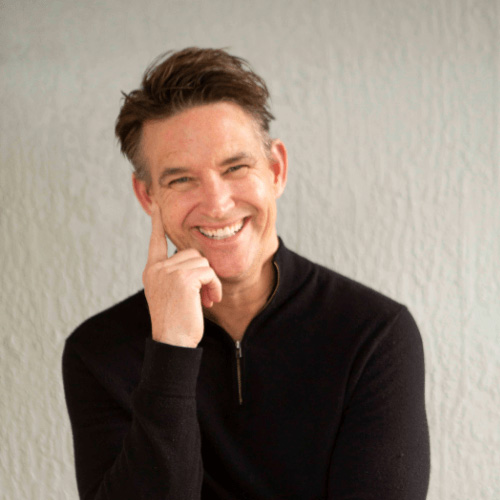
In this episode of the Brain & Life Podcast, host Dr. Daniel Correa is joined by TV personality and dynamic presence in the world of mixology, Rob Floyd. Rob discusses how he balances his career with family life, especially in light of his daughter's journey with a rare condition called Moyamoya. Rob also delves into the importance of mental health, community support, and even some festive, brain-healthy mocktail ideas! Dr. Correa is then joined by Dr. Lisa Sun, a pediatric and vascular neurologist and associate professor of neurology at the Johns Hopkins University School of Medicine. Dr. Sun discusses pediatric strokes and Moyamoya, the unique aspects of managing the disease, treatment options, and future research.
Follow and subscribe wherever you get your podcasts!
Apple Podcasts Spotify Libsyn
Additional Resources
Other Brain & Life Episodes on this Topic
- Shedding Light and Love on a Rare Genetic Condition with Deborah Vauclare
- Rare Thoughts on a Rarer Neurologic Condition
- Answering Your Rare Disease Day Questions!
Follow us!
- Guest: Rob Floyd @DrinkWithRob ; Dr. Lisa Sun @HopkinsChildrens
- Hosts: Dr. Daniel Correa @NeuroDrCorrea; Dr. Katy Peters @KatyPetersMDPhD
- X: @BrainandLifeMag
- Instagram: @BrainandLifeMag
- Facebook: Brain & Life Magazine
We want to hear from you!
Have a question or want to hear a topic featured on the Brain & Life Podcast?
Record a voicemail at 612-928-6206, or email us at BLpodcast@brainandlife.org.
Episode Transcript
Dr. Correa:
From the American Academy of Neurology, I'm Dr. Daniel Correa.
Dr. Peters:
And I am Dr. Katy Peters, and this is the Brain and Life podcast.
Dr. Correa:
Oh, it is getting really cold in New York. Probably not so much for you guys down there, but how are you doing, Katy?
Dr. Peters:
Oh my gosh. We got an eighth of an inch of snow and I thought I had a panic attack.
Dr. Correa:
Oh my gosh.
Dr. Peters:
It was funny because I was talking to our colleagues from Minneapolis and they're like, "Yes, go outside, Dr. Peters. Handle that one eighth of an inch of snow."
Dr. Correa:
Well, I'm jealous. We've had dustings in New York City, there's definitely been more snow in New York, but we're getting some biting winds. And it is getting tough to join my friends out there for running, as I mentioned, getting outside often here. And welcome to our listeners for joining us again at the Brain and Life Podcast. So, we're back now from at least the fall holiday. How was your holiday time with your family, Katy? Well,
Dr. Peters:
It's been just so lovely. It's just been my husband and I and our cats. We did the whole turkey thing, it was so delicious. And we got the Christmas tree up early, and now because we have a full house of cats, which is four now, the tree is in the crosshairs, and it is so much fun to see how they react to the tree and all the ornaments. You'd think that the tree and the ornaments would be their favorite, but it's really the boxes or the packing materials. How about you?
Dr. Correa:
Cats and kids, they seem to love those boxes.
Dr. Peters:
Yeah.
Dr. Correa:
Yeah, this year my wife and I joined her family. And while we were there, I took care of the stuffing and gravy. My father-in-law roasted up a delicious turkey. After a few years of me making a pork roast, he does a Caribbean-inspired marinade of garlic, olive oil, and oregano that I love. Over the winter holidays, we'll do that pork roast with my family because I just can't get away from it, I love it so much. I try to limit how much of the meats I'm having, but it's those little flavorings of memory. And in any case, in both instances for us, it's a struggle keeping those hungry cats and dogs in the family and our little furry family members away from that delicious holiday food.
Dr. Peters:
I agree.
Dr. Correa:
Yeah, and then after we got back, we wrapped up the holiday by starting to decorate our apartment. We like to do some cozy candles around the apartment, maybe a pine tree scented candle and a wreath, little holiday touches for our small space. What else do you do for your holiday preparations?
Dr. Peters:
So first of all, that food sounds amazing and I have to get your pork roast recipe. Check, check, check. But yeah, we finally got around to doing holiday cards personally ourself this year, which I think is really so nice to do and share where we've been because we've been in a lot of places this year, and my husband just mailed them out.
But one of my favorite things actually involves our office, my office at work. We actually make a desk calendar with our pets in it and we give it out for the holidays. And we call it the BTC Pet Calendar. This was a new tradition that was started during the pandemic when we were one, all getting pandemic pets, and two, needed something to fill together and to feel like a group coming together. It was a good joint project you could do via Zoom, but now it's a whole deal with a pre-party, with selection of the cover pet, voting, and a party to distribute the calendar, and that goes live this Friday. So, it's a bunch of holiday cheer.
Dr. Correa:
Yeah. I mean, this time of year, we are surrounded by so much marketing holiday cheer-ish kind of things, but I like just the natural connection and seeing friends and family going together. I love that idea of the holiday calendar.
And I was inspired to think of this, because when I was interviewing our guests today, their house was beautifully decked out well before even the Thanksgiving holiday. I could see his kids playing in the background, including his daughter, Indigo, who lives with a condition called Moyamoya. So, Rob Floyd shared with us hers and his family's amazing story of love together and resilience with this progressive neurovascular condition. I really hope you enjoy this episode, and make sure you stay tuned after my discussion with Rob for our discussion with the medical expert about what exactly is this Moyamoya condition with abnormal blood vessels, and how they affect the brain in children and many young adults.
Saludos, happy holidays, and welcome back to the Brain and Life podcast. So, today we are joined by Rob Floyd, an actor both on stage and TV. Some of you may have seen him on soap operas, like All My Children and Another World, on screen during the show Sliders, movie Godzilla, Rebound, and Dark Angel, and on stage he's performed at Carnegie Hall and many other venues. Then Rob transitioned into creating culinary entertainment as a mixologist and has been on the TV show, Bar Rescue for the past decade, bringing together culinary arts and TV entertainment and what he's described as Cocktail Theater. And he now has a book out for you to try out making recipes and cocktails on your own with many interactive options.
One of Rob's biggest roles though, is as a father. His daughter, Indigo, who has been diagnosed with a rare condition called Moyamoya. Thank you so much, Rob, for joining today and sharing some of yours and your family's story, especially about navigating this condition.
Rob Floyd:
No, thank you so much for having me. I really appreciate it. Just real quickly, it's funny when you realize your three-year-old is your hero, and I think that was a humbling moment and one that without support and love from people around us, it would've been very challenging to get through.
Dr. Correa:
And Rob, where are you joining us from today with your family and getting ready to share the holidays? I see the decorations already all set up.
Rob Floyd:
I know, I know. They're amazing though, all that. The ladies just love to decorate. So, we are just outside of Nashville, Tennessee, and so it's very pretty and it's really neat. We moved here from Los Angeles about seven years ago and just love it.
Dr. Correa:
And when I was just describing some of the many different things that you've done, it's been in all kinds of different entertainment directions. For some of our listeners who may not know you from TV or behind the bar, how do you describe yourself these days?
Rob Floyd:
Well, these days, I think what happened was because I'm a storyteller and I realized that was like you, you're an excellent storyteller and you take people on a journey, I do the same. I do it now through a beverage landscape and I do it around the world. In fact, Cocktail Theater, I have 60 shows run a day of it all over the world.
Dr. Correa:
Oh my gosh.
Rob Floyd:
So, but it's just being a storyteller and really just trying to entertain and make people happy. And whether that's through a cocktail with alcohol or without, it's always the story that takes us on the journey, and that last bit as being the exclamation point that continues the smile on our face.
Dr. Correa:
And what really led to the pivot from acting into mixology, or what was the storytelling line that connected those for you?
Rob Floyd:
Well, I think that you really hit on right away and I think that your audience can really resonate with, it's family first, always. And so I had always, from going to school in the Royal Academy in London, I was just so focused on being the greatest actor in the world. But then all of a sudden I was working with my dream person, James Cameron and doing a show, but we were working so much long hours and I was a single parent at the time, that I wasn't being the father I needed to be.
And it was, what happened was Carroll O'Connor who played Archie Bunker, his son committed suicide. I remember it vividly and I remember getting the news while I was in a place in Vancouver, a hotel room. And it was at that moment when Carroll O'Connor said that if he could do it all over again, he would've been a dad first. I had to quit acting, I needed to stop everything and just be dad. And that's where I went back to bartending so I could coach teams, so I could be with the kids, so I could help them grow up. And life happens to all of us, it was just you had to turn the page and start another chapter. I just didn't think I'd do TV again. I was okay with it, because I knew the number one thing was my family.
Dr. Correa:
And so, now with the Cocktail Theater and the concepts that you've been working on, that gives you more time together with your family and more flexibility?
Rob Floyd:
Extreme flexibility. So I get to, whether it's the TV show, I'm not on every episode, I'm on every third or fourth. So, it always works into our schedule. Whether it's with Princess Cruises, who's been an amazing partner for the past seven years, we always work it out with the schedules and stuff. So, sometimes I'll schedule eight countries in 10 days, because then I can come back and be the rest of the time at home and be present. So, it's been really great that way. It's just been a lot more coordination with it and it gives me a time to be able to do and be the storyteller that I really crave and need to be, and then also the parent that I want to be, and the dad, and hobby.
Dr. Correa:
And I remember the first time I saw the words written out, Cocktail Theater, I kind of just imagined a musician on stage and mixing up a cocktail. So, how do you describe what is Cocktail Theater and what that really means?
Rob Floyd:
So what it is, is think of History Channel meets Rocky Horror Picture Show and you drink your way through it. And so, I write it all on 12th Night Form because I love to write, I love to tell stories with that, so that I'm able to make it engaging, immersive, and an experience like no other. So I've written 27 scripts about it and performed, I think, 11. My wife's also a brilliant writer, so sometimes we'll team on stuff. We can do nights of roaring '20s, we can do nights of gangsters, we can do nights of pirates, we can do nights of all that, but it's all structured.
And then I think a big thing, because in the biggest trending right now I see are people drinking less or not alcoholic, which is great, because I tell my teams, I train 7,000 bartenders. So I tell them if they drink less, they drink more. It's okay if they have one or two drinks a night, as long as they feel great and you take care of them. And the same thing in Cocktail Theater is we went from 5% ticket sales of that to 15 to 20%. We call them the designated driver person. They get the drink that looks the exact same, but they'll always wear a flower or something like if it's a dark place, they'll always have a glow band so that they'll get that same drink just without alcohol, but that same great taste and experience.
Dr. Correa:
Yeah. And as I'm thinking about it, because we're all trying to explore more opportunities to have things that are interesting and taste great, but maybe have less alcohol, especially when we're thinking about brain health. So with the holiday season upon us and many people celebrating and hosting, what would be some ideas for festive mocktails that someone can mix up or maybe even take a break, mix it now before they listen to the rest of the episode?
Rob Floyd:
Exactly. One of my favorites is just a simple, if you go to a cranberry mule. So, if you're looking at ginger beer and they actually have more sugar-free ginger beers or light ginger beers, because the full strength ones are great, but they do have a lot of sugar. And if you're trying to limit that, go for a lighter one, Fever-tree does a great one, Q does a great one. And then work with some cranberry, I like to use the really potent stuff. And to mix it up there, I'll put just a squeeze of your lime and if you want a little sweetness, I'll do a touch of agave. It'll look great, it'll look fantastic. You can always have some fun with that garnish with some cranberries and a little sprig of rosemary to make it look like a Christmas tree. And everyone will go, "What are you having?"
And so what I love to do for those at home, when you're having a party, is you don't want to get stuck behind the bar. So, I like large format cocktails, so that way you can have something out there that somebody like this, you'll have your cranberry, you'll have your ginger beer, you can even mix the cranberry and lime into a little punch so that people can make it themselves. And then you have the, let's say it's a vodka to the side, so that people can add it or not, and nobody will know. And so, you can take credit for a beautiful drink, you're not stuck behind the bar, and everybody's having fun in that immersive way, creating that experience for themselves.
Dr. Correa:
I like that idea. We'll have to bring it into our holiday.
Rob Floyd:
Yeah, yeah, absolutely.
Dr. Correa:
So, let's take it about and talk about your family. Can you tell us some about your daughter Indigo, and how you guys started to understand what was going on?
Rob Floyd:
Well, it was a crazy, crazy day. My amazing wife, Megan, was home and they were out playing. Next thing you know is there was basically, she said, "I can't move, mommy. I can't move." She had had a stroke, she was three.
Dr. Correa:
At three.
Rob Floyd:
We were in LA, I was in San Francisco. I flew right down, we didn't know what it was. And so that started our journey, but it was just like all of a sudden. You think back, there's some warning signs, but we went to the doctor, there were nothing crazy. It was just all of a sudden it just happened. And that's how Moyamoya works. It's so rare, it's so hard to detect, that I think we were stage four before we realized it. And so, it was one of those where... And then we just lived in a hospital. We lived at the UCLA, which is an amazing hospital. Dr. Wong, an incredible doctor. And we were lucky and blessed that he treated that and they could recognize what had happened, which took a little time to figure it out, but still, that was the beginning of the journey.
Dr. Correa:
And for our listeners, we're going to have a medical expert as we do with many of our episodes following this, so we'll get to have more of a detailed discussion about what Moyamoya is, how rare it is, and how it impacts different children in different ways. So, but for Indigo, you said now looking back and as you guys got an opportunity to learn some more about the condition that maybe there were some other symptoms and warning signs. So, as you guys reviewed that together, what were the first things that either Indigo seemed to notice or you and your wife seemed to have noticed?
Rob Floyd:
I think the first thing was just always weak legs. Just, my legs are tired, not weak, but tired. Wanted to be carried and she's three. But again, kids do that a lot, so it was really tricky. It was so tricky. And then there was just sometimes it seemed like you're talking and seemed like she'd have a glassy look about her. But again, you're like, maybe she's tired. It was such a silent creeping up and just boom, all of a sudden. So, and we had great physicians, great pediatricians and we were regularly checked. I know she was regularly checked for everything and was healthy on all accounts. So, it was just very bizarre and completely... I mean, unexpected is not even the right word, but it was completely unexpected.
Dr. Correa:
Yeah, sometimes we just can't know. With this condition and some of the conditions that cause or affect the blood vessels in the brain, some children might have changes to their vision or might have changes to their balance, coordination, or even seizures. Are any of those things that Indigo has experienced?
Rob Floyd:
Seizures definitely, went through a couple strokes, the seizures were a big thing. Now she's doing much better and we're just focused on the day-to-day. If you really just take day-to-day, that's what you live in and you get comfortable with that. And it's almost living in the moment every time, but she's doing much better. And we're also next to a great hospital here, Vanderbilt. So that's like 20 minutes away, so God forbid, if there is, when challenges arise, we're right there.
Dr. Correa:
And so, how long did it end up taking to get the diagnosis and more detailed information about what was going on for Indigo?
Rob Floyd:
I'd say it took several days because to get her to really get the study that they needed to do, to run the tests and all that, it took a while, and there were just so many tough things that were happening. And then she quickly developed a form of PTSD from all the needles and not knowing, and so she really went into fight or flight. That was really scary and it's something that we still talk through and we still have her in kids' therapy to just work her way through because you want to work with the physical and the emotional and mental as well-
Dr. Correa:
Absolutely.
Rob Floyd:
... to try to do the best you can with it, so.
Dr. Correa:
And is that also something that you and your wife and your other kids have had an opportunity to work through, is just that processing all of this that has gone on?
Rob Floyd:
Absolutely. No, you're absolutely right. And I think it's one of the biggest things, and that's probably one of the most ignored things is that mental health, our mental health, everyone's mental health. So, I think anytime you get a chance to work on it with somebody who's great, you get to find out even the silliest things of why you do a certain thing and you're like, wait, where did that, or where belief came from? And it's always so funny because sometimes you just shine a light on something, it goes away. It's a little more challenging, as I'm sure you know, with the kiddos because you do lots of play therapy and different things. But again, we've been really blessed to work with some great people here and to make some strides with it, so that has been a big win.
And then also, we did get a dog, rescued a dog that was brilliant, really smart dog, and we ended up putting him through therapy. And he's been able to, when she starts to get into a darker area or a challenging area, he will immediately notice right away, go to her, and all of a sudden even start to apply pressure on her, which calms her down. And I just think little Hercules has been hysterical and funny. And from rescuing him in some place like that to all of a sudden now he's the one that's been her rock. And also whenever he gives her pressure, we're like, oh my, what's going on?
Dr. Correa:
Yeah, that's nice to have that added comfort and to grow your family even in that moment of challenge.
Rob Floyd:
So true.
Dr. Correa:
And I'm so glad that you have each had an opportunity to bring in a therapist and people to help you with, so helping support the kids through this because it's just all of these different situations and new challenges in a family. It's so much already for us as adults to figure out, and then to figure out somehow how to communicate and relate and then also listen and support kids that are also navigating these stressors and challenges for the family.
Rob Floyd:
Yeah, and I think one of the biggest things that for me in my company, we do tons of charity, tons of work with. I'm just about to do a big fundraiser with Scott Hamilton for his cancer work, and Fox Chase and just different groups that I love working with, like Just Keep Living. The biggest thing is, and it's the hardest thing, is being able to ask for help, to give yourself permission to ask for help and then to accept it, because so many people don't. And then God forbid, so many people then turn to wrong things for it and all of that. And it's okay. I know without us receiving help, even from our neighbors, a casserole or something like that, it made all the difference in the world.
And so, we had originally kept everything quiet for years and years and then it wasn't until that I was working with Children's Leukemia Group that I was hearing the stories and that's where when People Magazine came to me about... I agreed to tell the story because wanted to reach out to people and say, "Listen, you're not alone. It's a rare disease. There's so many different ones out there. It's okay to lean on others and make your voice heard."
Dr. Correa:
Yeah, and maybe we can explore some more specifics there. For our other parents and families that are listening, maybe what are some everyday routines and habits that you and your family have incorporated to help you feel more stable and supported, for those who are living with a child with Moyamoya or other childhood conditions that lead to strokes?
Rob Floyd:
A big thing was we had friends that would help, even neighbors that we really didn't even know that well at the time. And they would come over and bring, again, a bite to eat, something, whatever it may be. I know Megan, my wife's parents would come and help out on occasion, even if it's just sitting with the kids for an hour or two so you get it. Getting an hour or two of sleep sometimes was the difference between a breaking point or not.
Honestly, there's that old saying that said, "When David wanted to be king, God didn't give him a crown, he gave him Goliath." Right? So I think of that because that's something like, okay, we are going to get through this. And finding faith and whatever faith that is and to believe it, but don't ask why it happens, because another thing of I think expecting the bull not to charge because you're a vegetarian. Isn't that life? It's charging, you know what I mean? So, things happen and you can't expect the reasons why. You fight through and you get stronger and then you rely on friends, family, loved ones, and sometimes you didn't even know them before, but all of a sudden angels take some very funny shapes and sometimes you find those people in your darkest moments.
Dr. Correa:
Absolutely. And for individuals and families who have someone living with Moyamoya, as you mentioned, this is a rare condition and you've done some work with several other charities of different medical conditions. But are there resources that through this that you've become more aware of as parents for people who are either experiencing living with Moyamoya or childhood stroke and similar kind of websites or organizations?
Rob Floyd:
There are different groups out there for Moyamoya groups and all of that, and they're really great just to be able to hear at experiences. The rare disease organization has been a really important thing, especially in the beginning because you're just not sure and you're searching for answers, and sometimes the worst thing you can do is just Google, you know what I mean? Because that takes you down a rabbit hole that you're like, oh my God. So, being able to go to those has been really important.
And on a lighter note, one of the biggest things in the hospital for us was Child Life. They would come every day and bring not just a toy, but a great toy and they were trained and they were so fun and it was something they would look forward to. And then again, they're the tiniest, but they're wins during those days. And somebody coming through with a dog and the dog just given a lick and a sniff and all of that sort of stuff. Those were moments that were just super important, especially for Indigo.
Dr. Correa:
Yeah. I mean, and for our listeners, these are resources that many children's hospitals have, where they bring in trained individuals that can help with play therapy. If a child is out of school for an extended period of time, there are trained teachers who will come by. There are amazing things that are available at these children's hospitals, but often are also require the support of philanthropists because we can imagine the adult hospitals are already stretched thin. So some people might wonder, where do they get the resources for teachers? So, these are important needs, I think, for families and for parents, and especially the children in the hospital that I think you should make sure to think about and ask about if you have a family member, a child, or a friend who's at a children's hospital.
Rob Floyd:
Absolutely. Absolutely, because it is a lifesaver in there, lifesaver.
Dr. Correa:
So Rob, for you and your partner, when you think about Indigo's future, what are your hopes and aspirations for her?
Rob Floyd:
I think it's really bright, I'm a very positive guy. And just keep working, keep making it better. There's definitely times that are great and there are definitely times that aren't. You go and every day is a blessing, every day is wonderful and we'll get through it. And we'll get through it as a family and we'll figure everything out as we go along. We don't have any of the answers, especially with a rare disease, you don't, but you just have to have faith and go, okay, this is what we're dealt with and this is what we're dealing with, but we're going to make the best of it every single moment.
Dr. Correa:
And how do you hope that you and others can help support the community living with Moyamoya?
Rob Floyd:
Well, I think a couple different things, bringing awareness to it, encouraging people to reach out and talk to people and all of that.
And then the funny thing, so I do a lot of fundraising. I have a very special position being able to do it in my career. And so the national Moyamoya Day is May 6th, and my birthday's May 6th. So, I feel like it's God telling me I need to do a little bit more as we start to level and all that. And so, I'm looking forward to doing a lot more in the fundraising field and being able to really go toe-to-toe with this, really being able to drive millions into Moyamoya research so that this keeps not being the juggernaut disease that it is. So, that's where I'm going with this. That's my why. I think that there's the two most important days of your life are when you're born and when you realize your why, and I think that this is my why.
Dr. Correa:
Yeah. I mean, I really hope that you and many others can help drive more funds into research and in all the many aspects that's needed around Moyamoya and other conditions, both quality of life, cures, and changes, in how the disease has progressed because this is needed for every condition. And I think people under-realize how much we might be able to change many other conditions and lives by figuring out the details of even the most rare conditions.
Rob Floyd:
Yeah, absolutely. Absolutely. No, that's really well put.
Dr. Correa:
And Rob, for you personally, what's next on your journey, whether it's with a cocktail in hand or not?
Rob Floyd:
Well, I have the book out, which is doing really well on Amazon, which is Sip At Sea, thank you for mentioning that. And that, it's the only book in the world because I get to partner with some of the biggest celebrities in the world. It's one where me and Matthew McConaughey teach you how to make a margarita, me and Jason Mamoa do a little tasting, Liev Schreiber, Cardi B. It's very fun, but I wanted to be interactive and also a big chapter on not drinking. So different, like one of my favorite drinks is an avocado margarita, just doesn't have the alcohol to it but it's delicious. Teaching people that a little spice releases dopamine so that you can get that real high, that smile, that fun, playing with a little bit of different peppers and stuff like that. So, I want to change the way in my world of how people approach drinking so that it's not like, let's drink to get there, but let's enjoy the process. And if it's a way of celebrating something or a way of enjoying ourselves with minimal, it's perfect.
So, we've evolved a long way. I remember in the 80s and 90s where they would teach, well, you can only have like 12 to 15 drinks a day. So everyone would save that for Saturday. And you're like, nowadays we know that's awful, sending them right to binge-drinking. So really with my teams educating people about how to not only make a drink, but create an experience, and it isn't relied solely on alcohol.
Dr. Correa:
Yeah. Well, I appreciate much more of the resources and discussions around mocktails and the variety because as we see and we're learning more and more with longevity and brain health, unfortunately, most of the time alcohol does not particularly contribute in a good way. So, we really need that moderation.
Rob Floyd:
Absolutely.
Dr. Correa:
And Rob, thank you so much for sharing your parenting journey, Indigo story, and what it looks like for you and your family to live with Moyamoya.
Rob Floyd:
Oh, thank you. And all of you out there, whatever experience you're going through, there is a light at the end of the tunnel. There is hope, there is love. There's people out there that can help you that want to talk to you, that want to share. We've lived it for a long time and it's been critical in our relationship. And then asking for help and receiving it is okay. You have to be, to be strong. You can't do it alone.
Dr. Correa:
And for our listeners, we'll have links to some of those organizations and resources about rare diseases and Moyamoya and the show notes. And you can catch Rob on Bar Rescue now, and it's season nine on Paramount.
Rob Floyd:
I yell at people. I'm actually a nice guy, but they get to you, so you do a little yelling.
Dr. Correa:
And if you want more information about many of the things that Rob mentioned, he's on Instagram @DrinkwithRob, to see more of his cocktail creations. As always, thank you to our Brain and Life listeners for spending the time with us. If you enjoyed this episode, please follow, rate, and review the podcast, and share it with someone who might find it helpful or just fun for the holidays.
Want to learn more about the conditions discussed in this episode and other factors that could impact your brain health? For the latest on causes, symptoms, diagnosis, treatment, and management of more than 250 of some of the most common and rare neurologic conditions, please visit brainandlife.org/disorders.
Welcome back. Now, joining us as a part of this episode is our medical expert, Dr. Lisa Sun. She's a pediatric and vascular neurologist and associate professor of neurology at Johns Hopkins University. Dr. Sun cares for children and young adults with stroke, complex cerebral vascular diseases at the Johns Hopkins Pediatric Stroke and Neurovascular Center, and co-leads a very unique center where they specialize particularly in Moyamoya, one of the few programs in the United States that dedicate specifically to this rare condition. She also leads researchers focusing on how better to detect Moyamoya and keep children safe before and after the surgeries that can help treat and manage the condition. Along with that, she has been working to train our next generation of neurologists to help children and young adults with different neurologic conditions as the Associate Program Director of Child Neurology at Johns Hopkins. Lisa, I really appreciate you taking time to join us today.
Dr. Sun:
Thank you so much for having me. It's really a pleasure to be here. One of my biggest missions in my career is just to increase the awareness that children can have strokes. And so, I'm really grateful for this opportunity to do that.
Dr. Correa:
Yeah. I mean, I was really appreciate Rob's time and his opportunity to really share what he, his family, and his child, Indigo, has been going through. But even before we get to the idea of the question about what is this word Moyamoya and all that, I'd like to even start with that question. How much do we know about the differences of when a stroke happens in children, as opposed to adults?
Dr. Sun:
Yeah, so that's a great question. Stroke is obviously much more common in adults compared to children. And there's a few key differences in the way they present and the causes of stroke in those two different populations.
In children, when a child is having a stroke, it's first of all, much less likely to be recognized as a stroke, just because pediatric providers have less experience with stroke. Children are more likely to have a seizure at their stroke onset compared to adults. Seizure at stroke onset is actually pretty rare in adults, but really common, it's about 20 fold more common in children compared to adults. And so, we always say if a child has a first time seizure with some kind of deficit after like weakness on one side of the body or difficulty speaking, we treat that as a stroke until proven otherwise. Children are also more likely to have headaches or altered mental status at the onset of a stroke, both of those things are somewhat rare in adult ischemic stroke, but really common in children.
And then of course, the causes are really different. When we think about stroke in adults, we're often thinking about cardiac, heart conditions, we're thinking about diabetes and high blood pressure as some of the factors that can contribute to stroke. And those are really rare in children and are rare contributors to stroke. So in children, we think more about congenital heart disease, arteriopathies, which we'll speak more about today, Moyamoya falls in that category, sickle cell disease, cancer. There's many more diverse causes of stroke in children, we don't just always think about the traditional vascular risk factors like high blood pressure, high cholesterol.
Dr. Correa:
And in the adult wards and in outpatient settings, we are seeing many more younger individuals come with these chronic conditions, like you mentioned, that might be rare in younger children, diabetes, heart disease. And sometimes even crossing that border of whether or not we would call them a young adult or a child or adolescent. And at what point do you think right now, with the increasing rates of some of these chronic diseases that put people at risk for stroke and later in life, does it transition from whether it's rarely or unlikely coming from one of those in a young person than in younger children?
Dr. Sun:
That is a great question, and I think we're seeing that evolve a little bit over time, as you mentioned. We know that some of those chronic risk factors are occurring earlier in some people, or at least they're being recognized earlier. So, I would say I certainly see adolescents that have more of those traditional vascular risk factors, although that's pretty rare. In young adults though, patients in their 20s and 30s that have strokes, we have to think about them both as children as well as older adults when we're thinking about what has caused their stroke. So, we definitely see 20 and 30 year olds coming in and the cause of their stroke is some more of those traditional older adult stroke risk factors, but then also some of those patients have very pediatric causes of their stroke. So, it is definitely a spectrum. We typically consider young adults to be about 45 to 50 or younger, and we would consider those kind of young causes of stroke, and that's where we have to be very, very thoughtful about all the possible contributors, including both the pediatric and adult causes.
Dr. Correa:
And within that younger category, we've done several episodes with different causes or results of stroke and come back often to some key awareness points for the community. Within our community here, we've talked about the acronyms BE FAST and FAST. Are those different for kids?
Dr. Sun:
So actually, for most kids, those are still true. So, we definitely look for those kind of classic symptoms of adult stroke, weakness on one side of the body, speech difficulties, facial droop. Those can absolutely happen in children and adolescents. And in fact, for most children and adolescents, that is the most common presentation of their stroke.
The exception is really the very young children. Babies and toddlers are more likely to present with other findings like extreme fussiness, seizures, things that are much less specific. And in the really young children, they often have a stroke and have no typical manifestations. They're not weak on one side. Obviously, they may not be talking yet, you wouldn't be able to tell if they had a speech difficulty.
So, typically for children that are older than toddlerhood, we really expect them for the most part to present the same way that adult strokes present using FAST and BE FAST or I still teach my patients those even if they're really young with, again, the exception that seizures are just much more common. But then again, the symptoms that follow the seizure are going to fall in that FAST or BE FAST algorithm.
Dr. Correa:
And we've heard neurologists explain or describe how they break down FAST or B FAST to an adult patient or a family member or caregiver of an adult. I'd love to hear from your perspective how you approach that in teaching a young person and their parent, that acronym and awareness of possible new symptoms that might present as stroke.
Dr. Sun:
Yes, and that's kind of a critical aspect of my job is, especially in patients that have strokes that have a risk of another stroke, it's really critical that we're teaching them all the symptoms that could happen with a stroke.
So with an adolescent, I would teach that the same way I would teach an adult, teaching their caregivers and themselves, if you feel weak or heavy on one side of the body, if your speech changes, you can't understand right, or you know what you want to say but you can't get it out because your face is drooping or feels heavy. Those are all reasons that you need medical attention right away.
In a really young child, those can be really difficult to discern and really difficult for a parent to see or a child to communicate with their caregiver. And so, I think we just have to unfortunately have a really high level of suspicion for any unusual behavior. Increased falls, that's one of the things we see a lot, a child that is toddling around or ambulatory, and then they're really falling a lot. They may not be able to say, "Oh, my left side is weak," but you can see behaviorally that they're not walking correctly. And then, any kind of behavioral change that might signify a severe headache, that those would be things that we would really want to evaluate the child for and do a dedicated neurologic exam to make sure that looks stable from prior.
Dr. Correa:
And for our listeners, we'll include links, as we do many times to resources, and then this time also with information about those acronyms for you to have a reference to go back to.
Now, we just heard from Rob describing Indigo's first event and stroke, and then learning about Moyamoya. So for our listeners who may be hearing this term on this episode for the first time, how do you explain what is Moyamoya disease and what's happening to the blood vessels in the brain?
Dr. Sun:
Moyamoya disease is a progressive disease that essentially causes the blood vessels that bring blood to the brain to gradually narrow over time and choke off the blood supply to the brain. And then this can cause things like strokes or transient ischemic attacks in people that are affected.
What defines Moyamoya is that narrowing of the blood vessels is both progressive and happens in a very specific place in the brain, something called the terminal carotid arteries, where the blood vessels in your neck go up to the brain and branch off into different blood vessels at the base of the brain. And then what happens in the brain is that most people develop blood vessels that compensate for that narrowing, we call those collateral vessels, and they form what looks like a puff of smoke on our imaging studies. And so, Moyamoya is the Japanese term for puff of smoke, which is where that term comes from.
The concern comes when those blood vessels that are compensating for the decreased blood flow, they can't keep up with the rate with which the big blood vessels are narrowing over time. And that is what leads to the symptoms of Moyamoya, which can include headache, seizures, transient ischemic attack, and stroke.
Dr. Correa:
Now, I mean, we've heard about with adult strokes that people can have buildup of plaque or atherosclerotic disease in their arteries, and that narrows the blood vessels over time and might lead to events where they can't get enough blood flow and a stroke. So, how is this different?
Dr. Sun:
Great question. So, this can look an awful lot like atherosclerotic disease in an older person, but the differences is, is that when we look at really dedicated imaging studies, we see that the way the blood vessels look is different, and it occurs in younger patients that don't have those risk factors. They don't have high cholesterol, high blood pressure. So, these are usually often young children or young adults that are many times otherwise healthy. And in some cases, it's a genetic cause, so they're born with a gene that causes this disease. And research has not caught up to why necessarily that gene causes this disease, but we know that that's a common association, especially in patients with Asian ancestry. Korean and Japanese ancestry carry the highest risk of having this genetic difference that can cause Moyamoya. And so, moyamoya is much more common in East Asian countries compared to the United States.
And then there's some causes of Moyamoya that we know that there's associations with different diseases. So, patients with sickle cell disease, patients with neurofibromatosis, and patients with Down syndrome, for example, are at higher risk for Moyamoya disease. So, there's something about those conditions that can lead to Moyamoya or be associated with Moyamoya.
And in some patients, we just don't know. They don't have a genetic difference that we can identify, and they don't have an associated condition that goes along with it. And so in some patients, presumably for a genetic cause that we don't quite understand yet, Moyamoya just happens in an otherwise healthy person.
Dr. Correa:
And how early and how late can this show up in young persons to consider or define it as maybe being Moyamoya disease?
Dr. Sun:
Great question. So, it can happen as young as infancy, it can happen throughout life, although in older ages, it's more likely to be attributed to things like atherosclerotic plaque building up.
In younger patients, there are really two peaks where we see the highest rates of Moyamoya presenting. One is at a young age, young school age, so we're thinking four to six years old or so is when we have that first peak where we see a lot of patients with Moyamoya presenting. And there's a second peak in the 30s to 40s, so in a young adult population. Despite that though, it can happen. I've had patients six, seven months old coming in with Moyamoya, and I've had patients older than their 30s to 40s that really don't have other vascular risk factors like high cholesterol that come in with a Moyamoya-like picture.
Dr. Correa:
Wow, okay. So, much more awareness of it throughout a wider range of age. Now, it might be the unanswerable question, but it might be also on some listeners' minds. For those with a family member or they themselves have experienced an adult onset stroke, why don't we see those collateral backup blood vessels in their brains?
Dr. Sun:
There's something different about Moyamoya that's very interesting, that the patient develops this really broad network of collateral vessels, which is felt to be a good thing, it's felt to be the body's response to this chronic, slowly progressive change in the level of oxygenation in that area of the brain. We do see collateral vessels in other disease processes that are similarly slow and progressive. There's patients that have narrowing of the blood vessels for other reasons. For example, sometimes in smokers, for example, they can develop more collaterals over time because they have not enough oxygen getting to their brain chronically.
In diseases where a clot comes from the heart and goes up to the brain and causes a stroke right away, we wouldn't expect to see those collateral blood vessels because there's no time for the brain and the blood vessels to respond to a chronic low level oxygen level. Instead, they're suddenly having oxygen deprivation, so there's not time for the compensatory response. Whereas in Moyamoya, again, it's often a slowly progressive, although in some cases can be more rapid, and that gives the body a chance to respond in this way.
Dr. Correa:
Now, Rob shared for Indigo that her story and her first stroke showed up with very sudden weakness on one side of her body. Now, that was probably and ended up being identified as a stroke. Are there even earlier maybe common signs or symptoms of Moyamoya in children or young adults, maybe even before the stroke occurs?
Dr. Sun:
There can be, but most patients show up like Indigo, where we know that the blood vessel has been narrowing over time, but they've been healthy, their body has found ways to get blood where it needs to go, and it's only when it reaches sort of a critical time point that suddenly they have a stroke and have symptoms. So, it's fairly common that the first symptom is a stroke, which is very scary.
There can be some warning signs of Moyamoya. The most common is transient ischemic attacks. So, these are episodes where something causes the blood vessel to narrow temporarily and cause some stroke symptoms and then reverse. In Moyamoya, the classic example of this is when the patient hyperventilates, meaning they breathe really heavy, hard, or fast, their blood vessel can actually constrict a little bit and give a warning sign that a stroke is on its way. And so we, in the kind of classic case of Moyamoya, a child is playing a musical instrument where they have to blow or they're running around a gym class or blowing up a balloon, and they have just a little bit of temporary narrowing and that can clue us in to the diagnosis before they have a stroke, which is obviously the best case scenario. When those children come in, they're taken very seriously, it's recognized as a transient ischemic attack, and they can get imaging and show Moyamoya is there so we can treat it before the stroke happens.
There are a couple other symptoms that can precede a diagnosis of Moyamoya. Headaches can come before a diagnosis of Moyamoya. Headaches are super common in patients without Moyamoya though, so it's really hard to distinguish a headache in Moyamoya versus a migraine or a tension type headache or all the other types of headaches that are much, much, much more common. But yeah, oftentimes the first sort of symptom is an ischemic symptom, whether that is a stroke or a transient ischemic attack.
Dr. Correa:
Now, if a family or parents are working with a medical care team or a doctor that suspects Moyamoya, what ends up being all the diagnostic or tests that work up to the actual specific diagnosis?
Dr. Sun:
Yes. The first thing is imaging. So, Moyamoya really describes the pattern we see on MRI or CT, specifically on the sequences that look at the blood vessels. So, the first step is typically something like an MRI or with an MRA, which the A part is angiography, which means looking at the blood vessels. Or alternatively, a CTA, which is a similar study using this CT scan to look at the blood vessels in the brain.
If that looks concerning for Moyamoya, in some cases we move on to something called a catheter angiogram, also called a DSA, which is digital subtraction angiography. And that's a more invasive study, where a catheter is threaded through the patient's groin and threaded up to the brain so that dye can be injected in specific vessels and pictures can be taken on a second by second basis, looking at exactly how the vessels look and where the blood flow is going and how long it takes the blood flow to get to different parts of the brain. And that is really considered the gold standard or the best test to diagnose Moyamoya, especially if there's any question on the MRI or CT.
Once that is done, that leads to the diagnosis of Moyamoya, and then there comes the diagnostic journey of, why does this person have Moyamoya? And that often entails blood work. It might entail pictures of other parts of the body to look at the blood vessels in other places. And it might entail genetic testing to look for those genes that we mentioned or other genetic causes of Moyamoya.
Dr. Correa:
Now, some of your work and research has also looked at ultrasound and parents and individuals are probably very familiar with ultrasound as being the way that they saw their baby as they were developing in the womb. How can ultrasound help with either diagnosis or the management steps for Moyamoya?
Dr. Sun:
Thank you for asking that question. We are very, very interested in using ultrasound techniques to obviate the need for things like MRI and anesthesia. So, the type of ultrasounds that we've been studying is a type called TCD or transcranial Doppler ultrasound, which is a type of ultrasound that can measure the blood flow in the brain, and it's super easy to do. You put an ultrasound probe on both temples and then on the back of the head. Takes about 10 minutes to do altogether, and the child can be awake and they don't need any medicine. You can literally do it in the clinic, it's super easy, and it measures the velocity of the blood flow.
So, it does give different information than an MRI. And so, what my research is looking at is trying to understand, how can we use that data that we get from the simple ultrasound to say, we don't need to get MRIs as frequently or we need to get an MRI right away because we're concerned. There's many, many potential applications of this technique. And by the way, this technique is used frequently in adults for other reasons, and it's used for stroke risk monitoring in children with sickle cell disease. So, it's a technique that's very safe and has other applications.
But what we're really interested in is A, can we diagnose a patient with Moyamoya using TCD? B, can we screen high risk populations? We know patients with Down syndrome, for example, are at high risk for Moyamoya. Can we put a TCD probe on their head when they come in for their clinic visit and do a quick screening and see what their level of risk is? Or siblings of patients with Moyamoya, that's another great population we'd love to explore this modality in. And then C, once a patient is diagnosed with Moyamoya, can we use this to track their stroke risk over time? To track how progressive the disease is, if we need to escalate our treatment strategy? And can we use it to determine their level of stroke risk so that we can help counsel the family to understand they're at high, medium, or low risk of stroke?
So, we think that there's a lot of great applications potentially of this research. It's still early on in development, but we've had a lot of really exciting results so far, and we're hoping that this comes into clinical practice at some point in the future.
Dr. Correa:
I'm really hopeful that that work and that research moves forward and shows us much more about not only the ways we might be able to help these children and families, but it sounds like there's so many crossovers within the types of blood vessel disorders in children and in adults that we may be able to learn things that could help others.
Now, Rob shared that Indigo has gone through multiple brain surgeries and some long hospital stays. And when we were talking at the beginning, we talked about this term, neuro revascularization. So aside from a lot of extra syllables, can you walk us through what are some of the main treatment options for Moyamoya?
Dr. Sun:
So, we have both medical and surgical treatment options for Moyamoya. So when a patient first comes in, we quickly initiate the medical management, and the medical management is focused around a few key things. One is, oftentimes these patients are started on a medicine like aspirin. And the goal of aspirin or a related medication is to stop clots from forming and decrease the risk of stroke. And so, it keeps the blood flowing very smoothly through those tiny collateral vessels so as much blood can get to the brain as possible.
Secondly, we do a lot of focus on hydration and blood pressure management. As I mentioned earlier, we do not want the blood pressure to drop, that could be a very dangerous situation, and we don't want the blood pressure to be too high. So, these children often have high blood pressure and the reason is that their body is compensating for those tight blood vessels. So their body has said, "I need my blood pressure high to get blood to my brain." And we do not want to disrupt that, so we don't want to treat their blood pressure unless it's to a dangerous extent, so we have to watch that really closely over time.
And then of course, we want to treat the impacts of Moyamoya. We want to treat seizures with seizure medications. If the patient's having headaches, we don't want them to have headaches, we want them to not be in pain, so we'll treat that. And then we treat any impact if they've had a stroke, of the impact of the stroke, if they have weakness or spasticity in their body. And we don't want to ignore the more subtle aspects of Moyamoya like neuropsychiatric findings like ADHD, attention difficulties, learning difficulties. And we certainly don't want to ignore the mental health aspects. We know anxiety and depression can be really prevalent in stroke populations.
And then similarly, while I'm on that subject, we want to actually not only think about the patient, but think about the whole family unit and how this diagnosis impacts them all. So, those are all the things we're thinking about from a medical standpoint right off the bat when that diagnosis is made.
Dr. Correa:
One thing is, and you mentioned really was thinking about the family, and I can imagine the difficulty of trying to think about and catch all the symptoms, and worrying that you might be missing something and worrying that you might be allowing your child or family member to do things that could put them at greater risk. At the same time, we want kids to play on bikes and run around and enjoy their lives. How do you help families and parents really manage that concern and all the possible questions that they have about that?
Dr. Sun:
Yes, this is a very stressful diagnosis for parents and siblings. It's similar in some ways, in some ways more similar to epilepsy than to some other causes of strokes, in that that child is at risk for having a stroke or a TIA at any moment without provocation and it can just happen. And that can be an extraordinarily stressful situation for parents. And then on top of that, many of these families are also dealing with residual deficits from a stroke that the child may have had, may have had weakness, difficulty talking, spasticity. And so, this is one of the, if not the most stressful diagnosis I think I give to families.
And you're absolutely right, families want to protect their child, and we have to work together to find a balance of what's safe for them. But I always tell parents, I want them... The goal is a totally normal life. And in many cases of Moyamoya, in the long term, that's absolutely achievable. In the short term, we do have to implement some restrictions. In patients with the most severe disease, things like running or anything that causes them to hyperventilate, that can put them at risk for a stroke. And so, sometimes we have to say, "No physical activity until after your surgery." And once the surgery's done, we have to wait until the ingrowth of the blood vessels is sufficient.
So, there are some restrictions that we do have to implement, but in general, the goal is, let's get this child back to school, let's get them doing the things that they enjoy. Might have to do it in a modified fashion, but we want to think about each child and each family individually and how we can get them doing the things that are most important for them. And that sometimes includes things like travel. We've had patients come from far away. Can we get on a plane? Can we go across the Atlantic? And those are very individualized decisions that we make really carefully together, weighing all the risks and benefits. But I definitely agree, it is a challenging diagnosis certainly to get through.
Dr. Correa:
And you said the goal is as much as possible a normal life, and hopefully those children become their own independent, young adults, teenagers. How do you empower the teenagers and the young adults to manage their own condition and feel empowered to live the life that they want to live?
Dr. Sun:
So I think first of all, in any patient that's had a stroke and has deficits as a result of the stroke, I am so grateful to my colleagues in physical and occupational and speech therapy, who really work with each individual patient on a very long-term basis on making sure that they have what they need to maximize their independence. And we really want to make sure that the child feels independent and as much as possible, in control of the situation. So, I really value working with those colleagues to be able to optimize that as much as possible.
And I think from a medical standpoint, we do for the older children or adolescents, really involve them in every aspect of decision making. And I find that that's really best to not, you don't want to hide anything, you don't want to have any surprises come up in the hospital. So just being really upfront, straightforward. And again, this is where I do, again, take advantage of my Child Life specialists, just absolute experts in phrasing things to young children, talking with children and their siblings about what's going on and what to expect going forward. And I think if you show the child that you are entrusting them with information and that you value their opinion and their take on things, that really builds a child's confidence and I think makes them believe that they can handle this horrible disease, which then they of course go on to do really, really well.
Dr. Correa:
I'm always amazed by the things I see children do after even some very substantial strokes, and sometimes it's hard to even catch the impact. Now, as we wrap up and as your work with families, young persons, and in your research moves forward, what gives you the most hope right now?
Dr. Sun:
I honestly get so much hope from seeing patients with Moyamoya and with pediatric and young adult stroke in general. But I am really, really invigorated by, just like you said, the patients that go on and whether or not they still have deficits, there's children have such amazing spirit and resilience, even if they still have deficits and things are really challenging for them, children are amazing. And I would say even equally as much are the parents that are just going through something that is absolutely devastating and no parent should ever have to go through, but watching them just really care for their child, give everything to their child is really an amazing thing to observe. And it's absolutely my honor to work with those families.
And I think kind of going forward, we have so many different areas of research that are ongoing. We talked about the ultrasound techniques, which I'm really excited about, but there's other groups working on other early detection and monitoring techniques as well. There's people working on different medical therapies. There's some medical therapies that are available in adults that we're really excited to use in children. I think we're on the upswing in terms of our research and I'm really, really excited to see where that can take us and how that can improve care of children and young adults with Moyamoya.
Dr. Correa:
There's a patient and community organization called the MoyaMoya Foundation. Is that, do you feel like, a great resource for individuals and families to find out more information and maybe even identify some centers if they would like a second opinion or if they have concerns about a child who's had recurrent strokes?
Dr. Sun:
Absolutely. So the MoyaMoya Foundation is a wonderful foundation. We work in the pediatric stroke community. We work closely with them, they're a wonderful partner. That is always the foundation that I recommend first and foremost for patients to look at. And then there's some other really great resources as well. The International Pediatric Stroke Organization is an organization of physicians of all types that care for children with stroke. And there's lots of research and different types of, all things going on to improve care of strokes there, including videos about stroke readiness and stroke symptoms. So, there's a lot of exciting things happening there.
And then a foundation that's really near and dear to my heart is the Laney James Foundation for Pediatric Stroke, which I definitely encourage people to look at. It's a wonderful foundation that raises money for pediatric stroke, but particularly Moyamoya research, as well as raising money to support children that have needs that cannot be met by insurance. And so, there's lots of wonderful patient and parent organizations out there that I definitely would recommend for people to check out.
Dr. Correa:
Great. And we'll get from Dr. Lisa Sun some of the links and informations that could be helpful to you and or family members that you know, and include those in today's show notes. Lisa, thank you so much for taking time with us, going through this discussion, and everything that you're doing to help move this science forward to improve the lives of children and their families.
Dr. Sun:
Thank you so much for having me, Daniel.
Dr. Correa:
Thank you again for joining us today on the Brain and Life Podcast. Follow and subscribe to this podcast so you don't miss our weekly episodes. You can also sign up to receive the Brain and Life Magazine for free at brainandlife.org.
Dr. Peters:
Also, for each episode, you can find out how to connect with our team and our guests, along with great resources in our show notes. We love it when we hear your ideas or questions. You can send these in an email to blpodcast@brainandlife.org, and leave us a message at (612) 928-6206.
Dr. Correa:
You can also find that information in our show notes and you can follow Katy and me and the Brain and Life Magazine on many of your preferred social media channels. We're your hosts, Dr. Daniel Correa, connecting with you from New York City and online @Neurodrcorrea.
Dr. Peters:
And Dr. Katy Peters joining you from Durham, North Carolina, and online @KatypetersMDPhD.
Dr. Correa:
Most importantly, thank you and all of our community members that trust us with their health and everyone living with neurologic conditions.