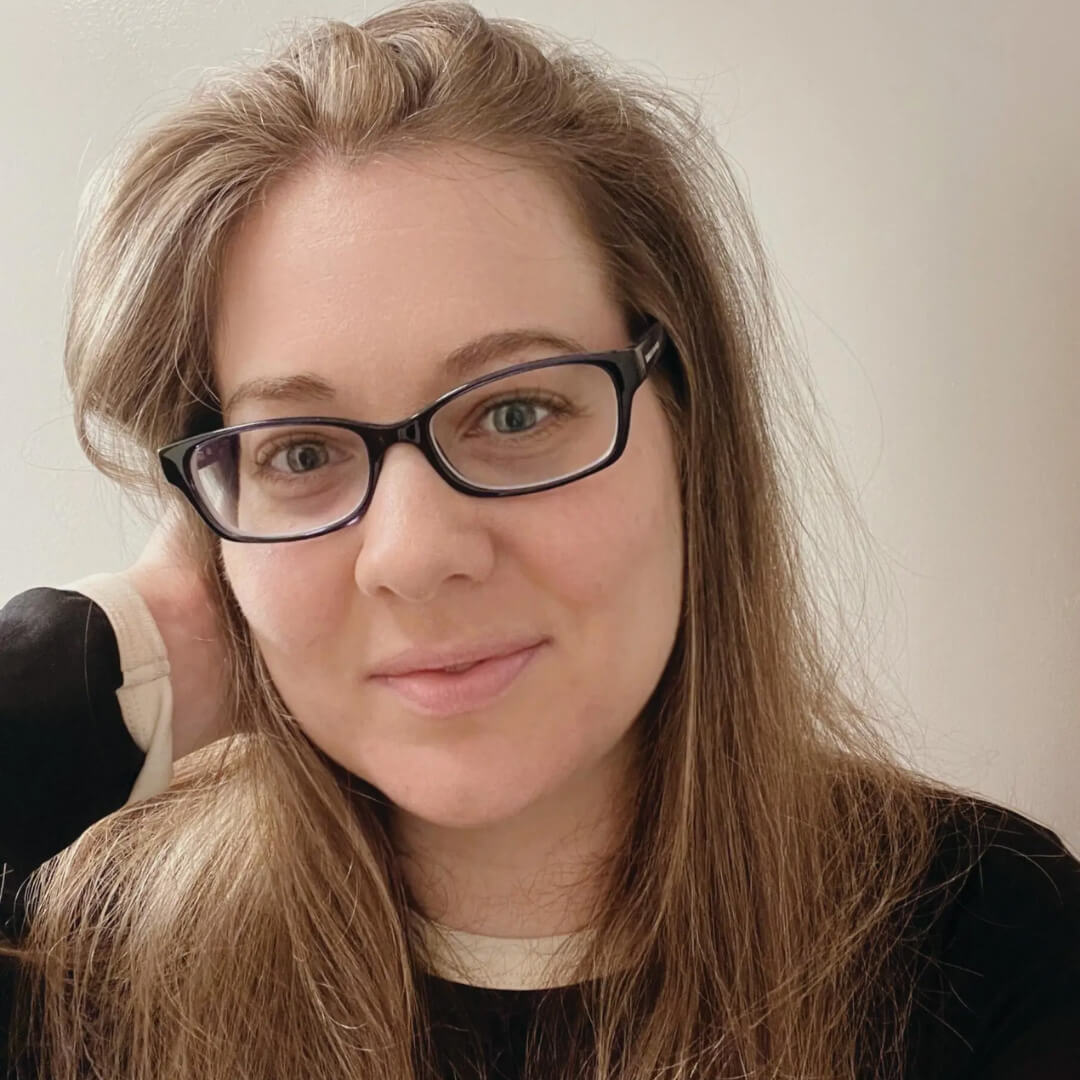
In this episode of the Brain & Life Podcast, co-host Dr. Katy Peters is joined by novelist and disability advocate Sabina Nordqvist. Sabina discusses her personal 12-year battle with idiopathic intracranial hypertension (IIH), POTS, and Ehlers-Danlos syndrome. She shares the profound impact of misdiagnosis, the importance of self-advocacy, and how her experiences in support groups led her to write a novel called It’s All in Your Head that puts disabled characters front and center. Dr. Peters is then joined by Dr. Jeremy Cutsforth-Gregory, an Assistant Professor of Neurology at Mayo Clinic in Rochester, Minnesota, working in the Division of Neurologic Education. Dr. Cutsforth-Gregory explains cerebrospinal fluid and IIH, highlighting the treatments that are available and where research is going next.
Follow and subscribe wherever you get your podcasts!
Apple Podcasts Spotify Libsyn
Additional Resources
- Sabina Nordqvist- It’s All in Your Head
- Understanding the Mysteries of POTS and Other Autonomic Disorders
- A Swimmer Returns to the Pool After Ehlers-Danlos Syndrome Diagnosis
Other Brain & Life Episodes on this Topic
- Parenting and Writing While Disabled with Jessica Slice
- Outdoors Woman Crystal Gail Welcome on Nature and Chronic Pain
- Author Samantha Lee Schmall on Life Beyond the Shunt
Follow us!
- Guest: Sabina Nordqvist @NordqvistBooks ; Dr. Cutsforth-Gregory @MayoClinic
- Hosts: Dr. Daniel Correa @NeuroDrCorrea; Dr. Katy Peters @KatyPetersMDPhD
- X: @BrainandLifeMag
- Instagram: @BrainandLifeMag
- Facebook: Brain & Life Magazine
We want to hear from you!
Have a question or want to hear a topic featured on the Brain & Life Podcast?
Record a voicemail at 612-928-6206, or email us at BLpodcast@brainandlife.org.
Episode Transcript
Dr. Correa:
From the American Academy of Neurology, I'm Dr. Daniel Correa.
Dr. Peters:
And I am Dr. Katy Peters and this is the Brain and Life podcast. Welcome to all. I hope everyone is having a lovely day. Sometimes life can feel like it should be a movie or a book. Maybe reality is strangers in fiction.
Dr. Correa:
Yeah, the genres can vary a lot.
Dr. Peters:
Exactly. Is it a horror movie? Is it a mystery? But I guess, Daniel, have you ever been inspired to write a novel about an experience in your life? And if so, what would the title be and what would it entail?
Dr. Correa:
Well, if there was ever a question that my wife hoped I would answer no to, I probably don't need another job or hat and that would definitely include writing a book. I've been part of writing for textbooks and lots of the other academic writing and stuff we do and that's enough work along with all the other little jobs that we juggle. So I don't think right now I'll be tempting myself with writing a book. But if I was so lucky to have someone else write a story or narrative-
Dr. Peters:
That's not my job. You can't give that to me.
Dr. Correa:
Yeah. I think an experience for me that would come to mind was the experience I had many years ago volunteering on a medical mission in a children's hospital in Guayaquil, Ecuador. And that really, I mean, just the travel, the experience there, it was really the first time traveling outside the country without my family. And as an independent adult, it truly opened up my eyes to the world in new ways, not just the culture and the food, but really being there alongside families and seeing how health and joy is experienced in so many different communities.
Dr. Peters:
It seems like such a Herculean effort just to sit down and instantly become creative and to delve into it. And I'm always wondering, are the experiences that I think are funny or unique, are they really? Is somebody going to want to read this? So it's a little bit of fear of the unknown. In medical writing, it doesn't necessarily lend itself to creativity. And I actually have been creative when I've tried to medical write and the editors have come back to me and said, "Don't do that." And so my hand's locked. Now, recently I've wrote down a bunch of random memories of Christmas holidays and I wrote them down and shared them with my husband. There were a lot of really crazy ones. So maybe random memories of the Christmas holidays. I don't know why. Who knows? Who knows? But it really matters what inspires you.
It's really, that's a story for another day. But what I love is that our guest really had inspiration from her neurologic conditions and challenges and really spun it into being a novelist. Her name is Sabina Nordqvist and she took her own experiences with a rare neurologic condition known as idiopathic intracranial hypertension and actually it inspired her to write a romance novel, which the character actually has that condition and is in a support group with people with other neurologic conditions, which is quite interesting. The book is called It's All On Your Head. We have a great conversation with her and then we're going to break it all down with medical expert Dr. Jeremy Cutsforth-Gregory.
Hello and welcome back to the Brain and Life Podcast. I am your co-host, Dr. Katy Peters, and I'm delighted to have author and disability advocate Sabina Nordqvist. She is a novelist and disability advocate. When not immersed in her latest project, she is likely doing some physical therapy reading and searching for answers to her latest mystery symptom. And we'll get a little bit into that, but what we're really here to talk with her about is her debut novel that is called It's All In Your Head. It's All On Your Head involves a romance about a woman, great, she's showing the book, with a rare neurologic condition who agrees to fake date the hot guy in her chronic pain support group only to discover he's an Olympic snowboarder whose career ending injury is as infamous as his dating history. Wow, that's a lot going on. She's also a self-described polyglot. We'll actually figure out what polyglot means because I'm going to ask her about that. And Sabina, welcome to the Brain and Life Podcast. It's lovely to meet you.
Sabina Nordqvist:
Hi, thank you so much for having me. I'm so excited to be here. I was telling some of my friends that this is going to be the first time that I've been talking to a neurologist who isn't actually treating me.
Dr. Peters:
Now I gave you a brief introduction and we want to unpack a lot of stuff from that introduction, but can you also just share a little bit more about yourself and where you're joining us from today?
Sabina Nordqvist:
Sure. I'm in Lancaster, Pennsylvania today. And as you mentioned in my bio and asked about what a polyglot is, so I grew up as a third culture kid. My mom is from Sweden. My dad's from Switzerland and I've lived in a lot of different countries. A polyglot is someone who generally speaks several languages. So by the time I was 18, I spoke six or seven languages and did a lot of studying abroad and stuff. So I'm not as good anymore, but I still speak four or five languages pretty regularly with my family.
And besides that, yeah, I started writing about a decade ago when I got chronic pain as a way to process. I got idiopathic intracranial hypertension, which is the main condition featured in this novel along with POTS, Postural Orthostatic Tachycardia Syndrome, both which I have. And yeah, after a while of writing fan fiction and other people's characters, I realized I wanted to write my own fiction that always featured disabled characters that had conditions that I had. And that's how I got started with writing and eventually transitioned into writing romance with those kind of elements.
Dr. Peters:
Well, that is such a unique niche to transition into writing, but it has to be cathartic because in all those conditions that you described, one of the things that we always have to learn about is tuning into our own body, but also into our own thoughts. So in a way, you were doing truly occupational therapy by writing this book.
Sabina Nordqvist:
Yeah. Honestly, I've shared before that I had to go to this chronic pain rehab program and there was a lot of gaslighting and, it's all in your head just like my novel. And so I used writing as my own therapy and eventually realized like, oh, other people might want to read this because it's not just like a diary. And I've found, I think it's actually the first novel that features IIH. So I've had a lot of people reach out saying like, "Wow, this is the first time I've actually seen this condition represented." So yeah, it's exciting.
Dr. Peters:
And I think we need more therapies and more recognition of idiopathic intercranial hypertension. It's a very serious condition, but there's some new treatments and some new studies that are actively going on that are really exciting. I actually helped one of my colleagues that's a neurosurgeon here get one off the ground. And so I'm really excited about opportunities for those patients that are dealing with those conditions because it can be really challenging. Can you tell us more about when you were diagnosed and what it entailed?
Sabina Nordqvist:
Yeah. So I had never heard of it like most people before. So for anyone who doesn't know, it just means that there is increased cerebral spinal fluid pressure in the brain of unknown cause. And there are some causes that they're just realizing, but it's usually associated with people who are obese. And so for me, when I got diagnosed, I was not obese and nobody could really figure out what was wrong with me. I actually took 16 hours of a birth control pill and started losing my vision. And so I went to the emergency room and they said like, "Oh, you're probably getting your period." I live in central Pennsylvania and we don't have neuro-ophthalmologists at the hospital. So I had no idea that there was such a thing called papilledema and stuff like that. So after many months of waiting, I eventually got into a regular ophthalmologist who saw swelling on my optic nerves, sent me then to a neuro-ophthalmologist, finally got referred to another neurologist, got a spinal tap, had a pressure above 25.
He was like, "Well, I don't really treat this. We'll put you on Diamox." And then I went to a bigger research hospital where they repeated the spinal tap and then I started more intensive Diamox therapy. I also got after my lumbar puncture a CT scan, like a CT venogram and they checked for stenosis in my brain and I actually have about 95% closure in my transverse sinuses, but the clinic was just like, "Oh, whatever, you're just probably just overweight." So I didn't know back then the significance of being a sinus stenosis for IIH. And so I just kept doing Diamox, kept trying to lose weight, got lost 30 pounds, my symptoms got worse. And then only in the last five years or so through online chronic pain support groups, which is a big feature in my group, did I meet other people who were in similar positions and were like, "Oh, you have stenosis. This is actually a big deal for IIH right now."
And so now I actually have multiple neurosurgeons and I'm exploring getting stenting done. And then I'm also recently found out that I have pretty severe jugular compression in my jugular vein. And so with my recent surgeon, he was saying that he actually thinks it's better to get the jugular decompression surgery first because basically he explained it to me like it's like a hose. So if I only open the brain and it's kinked down here, then basically it's going to make the pressure in my jugular vein better. So I don't know, I'm right now trying to figure out what I want to do because I was very, very close to getting the stents in my brain, but I'm also happy that I haven't yet because I know a lot of people who have gotten the surgery and now they have four or five stents because they keep closing at the veins where outside of the stent.
So I don't know, it's all very complicated, but I also have had periods where I've gone into remission. So I feel like for me there's probably some hormonal component considering that the birth control is for me what at least tipped me over. I imagine I might've had this stenosis before that because I had pulsatile tinnitus before I got my IIH symptoms. So anyway, yeah, you can ask me whatever you want, but there's this been this long journey of over 12 years now where I've struggled with having papilledema, going on Diamox, getting sick from Diamox, getting close to losing my vision, not having papilledema at all. And so for me, I feel like, well, if the stenosis is the only factor, I should continue to be bad all the time. So there's this gray area that we're still trying to figure out, but it was the first thing that I got sick with.
And since I got sick with it, I've been diagnosed with 12 other conditions including Ehlers-Danlos Syndrome and POTS. I don't know if it's like a chicken egg thing, but to me, I feel like the IIH tipped me into chronic illness and I really believe that it's a full body disease and a lot of people that have EDS also think so and like the vascular element of IIH. So anyway, I'm interested in those areas of IIH. And my book explores someone who has IIH and is trying to get the correct imaging to see if she does have stenosis.
Dr. Peters:
And thank you so much for sharing all that. I mean, that's a heck of a journey. I mean, one of the things that I will just say is it's so important to be aware and to be an advocate for yourself. And so we do really hope that people can get diagnosed early and get the right cause, find the right cause. I think that's really important. So I think just putting yourself out there and explaining it, but then doing it in a way that's through a book just makes it so relatable. Now you said that some of your ideas and how parts of the book came out of being in these groups that where other people also had a similar condition, almost like group therapy or support groups. Can you elaborate on that more about those experiences?
Sabina Nordqvist:
So there are a lot of really big idiopathic intracranial hypertension or sometimes they're called like pseudotumors cerebri groups. Some of them have 20 to 30,000 members and it's basically people from all around the world and then there are also subgroups. So you have people, you have IIH and shunts. I don't have a shunt so I'm not in that group. And then we have groups that are just pretty much about stenosis and scenting and then there are just general support groups. And so most of them operate in a way where you can just post questions, you can attend webinars. So I've been in a lot of those and then more recently one of my neurosurgeons realized that there was not a lot of support for IIH. So he actually had a social worker at his research university start a support group for people who were interested in stenting. And that's actually how I got to know some of my closest friends now. We've been chatting online for five or six years and some of us have met in person now.
So it's amazing how just having a condition that like no one else understands and being able to relate to them can bring people together. But I also think they're just, even if you don't meet anyone as a friend, they're so important because I think that the group knowledge that people bring, a lot of it's anecdotal, but I think we're ahead of honestly some of the research because it takes a long time to get studies through and stuff. So people see a doctor, they know this person does this, people are willing to try new things even if their local doctor isn't specialized in that area yet.
Dr. Peters:
And since you have this group of friends that all understand this condition from their own personal perspectives, what do they think about you writing the book and the fact that that was part of the inspiration?
Sabina Nordqvist:
Yeah, they were really excited. They're actually thanked in the back of my book and the dedication is to them.
Dr. Peters:
That's awesome.
Sabina Nordqvist:
So they were really excited and I know that some of them have shared it with their family members and I know that one of my friend's husbands said like, "Oh, this is the first time I've read about this from being inside someone's mind, but could also identify like, oh, my wife has all of these symptoms." And so yeah, they were really excited. I think it's underrated how much value you get seeing yourself in a novel. I know the first time I read a novel where I saw someone who had POTS and it wasn't like a memoir, it was like a fantasy novel. I was just like, "Wow." And I immediately texted my friend like, "There's a book with POTS." So I think that if people know about it can be really validating in that way. Though obviously for some people that have a shunt, they might not relate as much because their experience is very different.
Dr. Peters:
So can you tell us a little bit more about the book? I know it's a romance novel, so I love that you chose romance, but can you give us a little thumbnail sketch of the book?
Sabina Nordqvist:
Yeah. So Skylar is the main character who has idiopathic intracranial hypertension or IIH and POTS and she's a moderator from one of these support groups. And like you said, when you're reading the blurb, she's been online and she's given up on relationships because she hasn't been treated very well in the past because of her chronic illnesses. She's always been told like, "You're a burden, you're too much." And she's just decided like, "Whatever, I don't need this in my life." So she spends her time online running events for her group and helping people and stuff. And she has two best friends who are also chronically ill in that group. And then she's been noticing this guy who is very good-looking from his picture and he posts poetry online venting about his situation because he's new to chronic pain. And in romance, we have all these tropes that romance lovers read.
So mine is fake dating. What happens is there's this chaotic thing in the group and they end up needing to fake date in front of one of their family members and when she meets the sky Pike in real life, she finds out that he's actually a pro snowboarder who was recently injured in a qualifying Olympic event and he's been hiding from the paparazzi. He's become physically disabled and I also use a cane and I'm an ambulatory wheelchair user because of my EDS and other things. So I gave him a lot of the physical disabilities that I have, whereas I gave her the neurological stuff and so they meet and she finds out that he's famous and then it blows up into this thing where it's not just like, "Oh, we're pretending to fake date in front of our family." They also have to fake date then in front of the paparazzi who find out that, oh, our famous hot bad boy snowboarder is now dating someone he's never wanted to settle down. So the book is also a lot about public perceptions of disability.
It talks a lot about ableism and microaggressions and what it's like when you're chronically ill and people don't really believe that anything is wrong with you. And then there's also a thread about medical gaslighting because that's been a big thing in my life. And so Skylar, like I said, she's looking to get a scan to find out like, is there a reason for my IIH? But she is overweight and her doctor refuses to give her more treatment until she loses the weight, but she's struggling. Yeah. It also goes into that thread, which is a side quest beyond the romance. And as they start getting to know each other and they're reluctant to fake date initially, they start realizing like, "Oh, it's actually really wonderful to be around someone who not only is beautiful but also understands me and gets what it's like to have chronic pain." And they both are at different stages of their disability chronic illness journey. And so they each learn from each other about what it means to be vulnerable and let yourself be loved when you have chronic illness.
Dr. Peters:
Well, I think that this has the makings if I can say that Hallmark Channel, I'm ready.
Sabina Nordqvist:
It's too spicy for Hallmark. It's got a little bit of spice.
Dr. Peters:
Lifetime.
Sabina Nordqvist:
Yes, there we go.
Dr. Peters:
It just sounds so perfect to round out and part of it is really the human experience. When we think about our relationships, when somebody does have a neurologic disorder, I see this several times in my clinic when people bring loved ones in and maybe they're at the start of a relationship, maybe there's challenges with the relationship. I can see how it can be so relatable to so many of our listeners and so many of my patients and their care partners. So thank you for putting it out there. I cannot wait to read it. I peeked at it a little bit, but I want to read it anymore. Now, what do you have planned next now that this is your debut novel?
Sabina Nordqvist:
It's my debut, yeah. So next I actually have books featuring the best friends in the support group. So it's going to be a three book standalone series. So Skylar and Pike will still be in the next novel, but it features a different couple. So the next book focuses on childhood friends to lovers, that's the trope versus fake dating. And some of the conditions in there are interstitial cystitis, fibromyalgia, MCAS and IBS. So it's a little bit more of the invisible disabilities. And the third book, which I haven't announced the couple yet, but it's the third woman in the support group and she has Hypermobile Ehlers-Danlos syndrome. So each of the books blends some aspect of chronic illness with a romance trope.
Dr. Peters:
Well, that sounds a lot of fun to have your characters evolve over time and to have a whole series. I don't know if you've talked with Jessica Slice. She actually has Ehlers-Danlos and she's someone we interviewed and she writes a lot about her disability. I would encourage you to check her out because she's active online.
Sabina Nordqvist:
Oh yeah, I'll have to do that.
Dr. Peters:
Yeah. Yeah. And she could be somebody who you could definitely maybe bounce some ideas off of about that group because I think we can all learn from each other. What are some of the most important lessons that you've learned I guess in these support groups now that you truly are, you're a novelist and an advocate. So two things. What have you learned from your friends and support group attendees?
Sabina Nordqvist:
I think one of the things is you are the best authority on your body and I know that that might be offensive to some doctors. I feel like a lot of doctors are afraid if we Google or... But I think that when you know inherently that something is wrong in your body, it's very rare that it's some made up thing. I think that we put way too much focus on psychosomatic things and stuff. I think that if you're... There are not a lot of people who actually want to be sick. So when you continue to be sick, actually looking for answers is worth it even if you can't find a doctor right in this moment or in your town or there's a one-year waiting list. So I think that's a big thing. I think also just the importance of community. I don't think that it's a bad thing if you don't have any disabled friends, but I think that there's just a different level of understanding just like when you find somebody who has a common interest, finding somebody who actually understands your life experience is just extremely validating.
So I think that that's a big thing because when I went into this, I didn't know anyone that had IIH. And now I would say a majority of the people that I regularly talk to have IIH. Those would be two big things, I think. And also just all the knowledge about IIH, I just think that it's fun to be on this podcast because when I usually go on podcasts, it's more the romance and you skim over. I feel like IIH makes people's eyes glaze over because it's such a long name after being in these groups for 12 years, there are women in this group who they're on their 35th shunt by now and they have seen doctors all over the world. They get revisions every three months because something is always failing. So you pick up a lot of knowledge. So I think also besides just the community and knowing yourself, it's also just there are some really intelligent people who have a lot to share if you're willing to listen.
Dr. Peters:
And a lot to learn from them too because I agree with you completely. The best person that's going to know about what's going on in your body is yourself and this is why at the Brain and Life podcast we're all about brain health and brain wellness and how can we practice that the best. And one of those things is to be aware of your own body. So I appreciate, Sabina, that you did it not just in a literary way, but also in a fun way where you've wrapped it up in this romantic morsel for people to learn about conditions or other types of conditions that they may not know about. So I just want to thank you for advocating for yourself, for all of your friends and for all of your colleagues and everybody needs to check out her debut novel, It's All In Your Head. Thank you to our listeners.
Sabina Nordqvist:
Thank you so much. I appreciate that.
Dr. Correa:
On the Brain and Life Podcast and online, we share stories from people living with neurologic conditions and the science that helps them navigate everyday life. Behind that progress are researchers working on ideas that could lead to better treatments, better understanding, and better care.
Dr. Peters:
The AAN research program has supported this kind of work for more than 30 years, but each year far more researchers apply for funding than we're able to support.
Dr. Correa:
So if you are someone who values neuroscience that makes a real difference for patients and families and all of our communities, we invite you to join this effort. A donation to the AAN research program helps more promising research move forward. Learn more about this at aan.com/donate.
Dr. Peters:
Hello again, Brain and Life podcast audience. I am again your co-host, Dr. Katy Peters, and thank you for joining us today. I am joined by our medical expert, Dr. Jeremy Cutsforth-Gregory. He told me I can call him Dr. CG, which I probably will plan on using. He's an associate professor of neurology at Mayo Clinic in Rochester, Minnesota, working in the division and also is, I think you're the lead or the associate dean of neurologic education. Can you tell me about that?
Dr. Jeremy Cutsforth-Gregory:
I wear a few hats. Yeah. So we have a division of neurologic education. So instead of being disease-based, that particular division is those of us who consider self-educators. And then I am an assistant dean of career advising in our medical school.
Dr. Peters:
Wow. He also is what we call a lifer in medicine. He completed all of his medical training at Mayo Clinic and then joined the staff in 2016. His clinical practice and research interest span general neurology education, which we just talked about autonomic disorders and abnormal cerebral spinal fluid CSF dynamics. He's the founding member and director of the CSF Dynamics Clinic collaborating across multiple departments to advance understanding and treatment of low and high CSF pressure disorders. Dr. CG, Dr. Cutsforth-Gregory, welcome to the Brain and Life Podcast.
Dr. Jeremy Cutsforth-Gregory:
Thanks so much, Dr. Peters. It's great to be here and any struggle with what we do is because it's hard what we do, but I basically tell patients, I deal with there's too much fluid in your head, too little fluid in your head, or maybe the right amount of fluid, but not in the right places. So it's fluid dynamics.
Dr. Peters:
I like that. I like that a lot. Now I gave a little bit of an introduction. Can you tell us a little more about yourself and where you're joining us from?
Dr. Jeremy Cutsforth-Gregory:
Absolutely. So as you said, I'm here in Rochester, Minnesota, where I was really lucky to get to do medical school and it was during med school I found neurology and then was blessed to get to stay for residency. My fellowships here were movement disorders first and then autonomic disorders. The idea that a lot of those neurodegenerative diseases like Parkinson's, multiple system atrophy, have a combination of movement and autonomic dysfunction. And then the surprise really came during that second fellowship when Dr. Bahram Mokri came to me and said, "I'm seeing a lot of patients with orthostatic headache related to spinal fluid leak or headaches related to high spinal fluid pressure." And he said to me, "And you're seeing patients with orthostatic intolerance and POTS." because I was on the autonomic side at the time."
And he said, "I wonder if we'd learn something if we saw these patients together." And so I saw a few patients with him with leaks and really fell in love with spinal fluid problems. And so while I still do autonomic disorders, a little bit of movement, my focus really is in our CSF dynamics clinic where we've got a handful of neurologists, most of them train in headache, handful of neurologists trained in behavioral and we see normal pressure hydrocephalus, spontaneous spinal fluid leak and what we're going to talk about today mostly, which is idiopathic intracranial hypertension, the high pressure problem.
Dr. Peters:
I think these types of conditions are so important to study and I was really lucky to... I was trained at Johns Hopkins and there was actually, we had a CSF disorders clinic and service and was trained by Michael Williams who's started so much wonderful work in this, but we're great to see what you're doing at Mayo because I think it's so important. So before we go into idiopathic intracranial hypertension, I think our audience would love just what is the basics of cerebral spinal fluid and why is it important?
Dr. Jeremy Cutsforth-Gregory:
It is probably the undersung hero, at least in my view of the nervous system. It's the fluid that the brain is making continuously. It's made inside the brain, what you called ventricles, flows through a series of ventricles in a particular route in every person out around then escapes around the spinal cord, comes back up and it gets reabsorbed again at the surface of the brain. So it's continuously cycling around the brain and the spinal cord. It's a central nervous system. It is carrying away waste products absorbing those, it gets absorbed back into the bloodstreams, then those waste products can go be filtered by the kidneys, just like any other waste product in the body and is doing that three times a day, recirculating spinal fluid three times a day.
It's maintained at a certain pressure and we know what normal pressure range is for people and we can measure that through a lumbar puncture, which I'm sure we'll talk about more later. We have ways to test spinal fluid, what it should look like under the microscope, what cells should be in it, what the pressure should be. When that circulation is happening, normal amount of production, normal amount of absorption, people are fine. Brain floats, brain is clean, all that works well. It's when it doesn't go wrong. Either if spinal fluid gets trapped or made too much or underabsorbed, all these various problems that can happen that we see patients with headaches, eye problems because pressure buildup can cause pressure on the eyes, as you know, and a variety of other symptoms.
Dr. Peters:
Thank you for going over that. Again, I think this is something that we think of a blood draw, but this is like this fluid really is critically important to understanding how it supports and also nourishes the brain. So what is idiopathic intracranial hypertension?
Dr. Jeremy Cutsforth-Gregory:
IIH is a condition of increased spinal fluid pressure in the head. So it's in the brain and around the brain, not because of obstruction of the spinal fluid flow, not because of a tumor that you as a neuro oncologist see lots of patients with increased intracranial pressure, but it's because there's a mass they're taking in space. Patients with IIH don't have a mass, but they still have high pressure. It is also sometimes called pseudotumor cerebri syndrome. And if we want to be technical or picky about it, IIH is when there's not a cause we can identify. Pseudotumor cerebri syndrome would be when there is a triggering factor, because there are a number of medications, for example, that are known to increase intracranial pressure. And so there's a triggering factor, you can eliminate that medication, doxycycline, acne medications, for example, and then condition will usually resolve. IIH is when there's no reversible, identifiable, treatable factor.
Dr. Peters:
So what are the symptoms? What symptoms do patients have?
Dr. Jeremy Cutsforth-Gregory:
Three big ones. Headache is often what gets people attention the most and it's headache with features reflecting the fact that pressure's increased. So these are often headaches that come on while people are laying down while they're asleep overnight. Maybe they wake up with a headache in the morning. Headache also tends to get worse at least temporarily with anything, any valsalva maneuver. Anything that raises the pressure in their belly or their chest. So cough, laugh, strains, knees, lift, bend forward. They'll say that'll spike up their headache. So headache is the first one. Next is a pulsatile tinnitus. So a whooshing in the ear is like the heartbeat. Some people will get tinnitus that's just that constant wine, but it's usually a pulsating. They're hearing the blood flow right behind the ear and that can be one ear or both, intermittent, sometimes constant.
And then last is symptoms that come from the pressure in the head being put on the optic nerves. And so that pressure on the optic nerves can make them bulge out. So when you do an eye exam, you can see papilledema that's swelling the optic nerve. The symptoms people will often describe are transient visual changes. So when they cough or laugh or sneeze, they'll see stars or their vision might gray out for a few seconds. Sometimes just going from sitting to standing quickly can bring on those visual symptoms. And so that combination of transient visual obscurations or seeing things that aren't there with a trigger or pulsatile tinnitus or the headache with intracranial pressure features really would make us think about IIH. There's also a patient group in whom it's most common and that's usually people of reproductive age 15 to 50 or so years old. Nine times out of 10, it's women. Men can get it too. We see trans patients with it as well, often in a female to male transition. We can see IIH happen and then it can happen in kids but is more common in adults.
Dr. Peters:
Are there other risk factors other than the the gender roles that you just described?
Dr. Jeremy Cutsforth-Gregory:
The biggest one is weight, and that can be sometimes people who are overweight and have been for a while. Other times it's gaining weight. So I've seen it sometimes come on in pregnancy, sometimes just that gradual weight gain that a lot of people experience, sometimes a rapid weight gain. Again, we also are always on the lookout for medication that might have triggered it. So someone who started a new medication before these symptoms we really hone in on.
Dr. Peters:
And so what do you do to detect this condition? You have a patient fits the bill, they're having headaches, they're having pulsatile tinnitus, they may be having some of the visual symptoms. What is your next step?
Dr. Jeremy Cutsforth-Gregory:
I wouldn't be a good neurologic educator if my answer wasn't take a history and do a neuro exam.
Dr. Peters:
Great. Great job. You did a great job.
Dr. Jeremy Cutsforth-Gregory:
The features on the history, I think I've already covered. We talked about headaches and what the features are. On exam, we're usually going to have a normal neuro exam with a couple exceptions. We're going to look for that papilledema. So getting good at fundoscopy in the office without a dilated eye exam is really important. So I work with our resident trainees on that. If I can't do that or a patient doesn't have it, we'll get a formal eye exam as well through ophthalmology. And then we'll also look, some patients will have cranial neuropathies. So eye movements might be affected because the nerves that control the eyes, the sixth nerve in particular that makes the eye move out can get stretched by this pressure increase. And so sometimes we will see certain cranial nerve dysfunction on exam. Everything else should be normal. And then so that's history and exam. Should I talk about diagnostic testing?
Dr. Peters:
Yeah. I was just going to give a plug that if we do have any residents or inspiring neurology residents listening to this, do learn how to do a really good ophthalmologic exam and use your ophthalmoscope. Don't be scared.
Dr. Jeremy Cutsforth-Gregory:
Absolutely. And I tell our medical students, you probably have to look at a hundred eyes before you see anything. So just start the tally. Look in eyes even if you don't see things, because eventually you will. So I couldn't agree more. Learned to do a good eye exam. Diagnostic testing. Every patient needs a head scan and MRI of the brain is preferred. If a patient has a pacemaker or something else that makes it impossible to do MRI, CT is acceptable, but certainly MRI is preferred. If patients have the typical demographics, female, reproductive age, extra weight, then you don't necessarily need to do vessel imaging, but I'll say in my practice, I almost always get either an MR venogram or a CT venogram. That's a scan with contrast to look at the veins of the head. And that's because the veins are floppy walled and if the pressure in the head goes up, those veins can collapse.
So we look for narrowing or stenosis along the veins and specifically it's the transverse sinuses, but basically the structures that spinal fluid is supposed to dump into and it's supposed to carry blood out of the head. When those get narrowed, you can get a backup upstream and the backup would raise the pressure. So we do MRI brain in everyone, probably an MRV or a CTV in most patients and then the eye exam mentioned already and finally a lumbar puncture. And this is the thing I'll bet very few of us ask for another one. It's not an awful test, but it's not fun. But this is someone called it a spinal tap where a long thin needle is going to be slipped in the lower the back between two of the vertebral bodies or two of the bones of the spine to access the spinal fluid. We want to measure the pressure, gather a little bit of the fluid, make sure the fluid is not inflamed, not infected. You expect normal spinal fluid lab results but elevated pressure.
Dr. Peters:
And what would that elevated pressure be?
Dr. Jeremy Cutsforth-Gregory:
If you're measuring pressure in millimeters, normal range is 80 up to 250 centimeters, sometimes people use eight to 25, so whichever unit. The key to know is that that 25 centimeters is the upper range of normal. So we're looking for a number greater than that. I'll say historically people often thought of eight to 20 as the normal range, but when you look back where those data came from, it was in patients with neurologic disease or just a small group of medical students who were subjected to a research study. And so doing a good population based measurement of normal opening pressure, eight to 25 is a better range. And so we're looking for numbers of greater than that. It's also important that patients on their side, that left lateral decubitus position for the most reliable measurement of pressure. And if they're in extreme pain, that's often going to falsely elevate it.
If they've got their legs still crunched up to their chest while they're trying to measure pressure, that's going to falsely elevate it. So a properly performed lumbar puncture in as relaxed as setting as possible. A lot of people will get lumbar puncture with radiology using fluoroscopy to help guide that needle and so then they're on their belly. That prone positioning might elevate pressure one or two centimeters. So if normal range is, or if they got a 20 in the prone position, that might be more an 18 or 19 when you measured it lateral decubitus. So we might do a little correction factor for that. It's not huge, but a little bit there. What is not reliable is the seated LP where the patient just leans forward. That might be the easiest one to accomplish because it really opens up the spine, but you can't measure pressure that way. I see that down in the ER more often than anywhere else. And so I love my ER colleagues, but I say that opening pressure anyway is meaningless to me. Please lay the patient down.
Dr. Peters:
Yeah. And we just talked about numbers. We talked about what's high. We talked about what's normal. Well, what about if we have low? So intercranial hypotension now.
Dr. Jeremy Cutsforth-Gregory:
Yeah. So that's the number below eight, usually below six we say for sure it's low and those patients almost always are going to have a spinal fluid leak, a tear of the dura in the spine, letting fluid escape. When they stand up, it's when they get their headache. So it's basically the other end of the spectrum and that's why we have our CSF dynamics clinic where we include both because patients who have a leak of fluid will have low pressure and headache on upright position. And when you seal the leak or patients who have a primary high pressure condition like IIH, they lay down, they get their headache and the pressure is elevated.
I think it's important to know, I know our topic today isn't on leak, but most spinal fluid leakers have normal pressure when you measure it. It does not have to be low for them to have a leak. And so we do the diagnostic lumbar puncture for our suspected high pressure patients because we expect it to be high and that's meaningful. We don't do a lumbar puncture just to measure pressure if you're suspecting low pressure because it's going to be normal most of the time anyway. Even more complicated disorder, I think IIH is enough to keep me busy, but the leaks double or triple the workload.
Dr. Peters:
Well, we'll have to bring you back when we talk about that. Now one of the things that I think is really interesting is there's definitely some new treatments that are being evaluated and studied for idiopathic intracranial hypertension. Can you discuss those with us?
Dr. Jeremy Cutsforth-Gregory:
Absolutely. Briefly historically, so you make the diagnosis, someone's got high pressure, you need to lower the pressure and the longstanding mantra has been weight loss, weight loss, weight loss, or acetazolamide also called Diamox or topiramate, also called Topamax, medications that reduce spinal fluid production so that pressure will go down. So we would say lose weight however you can or take these medicines to lower pressure. And those strategies are still valid. Then if those didn't work, for many years I've had a couple of different surgical options. A lot of patients would get a ventriculoperitoneal shunt or VP shunt where a flexible plastic tube is implanted in the brain. That fluid then drains through a tube under the skin, down into the belly. Basically just give spinal fluid another way out of the head, not a lower pressure. I avoid those shunts like the plague if I can because they're prone to clogging or kinking or taking care of pressure, but not taking care of the rest of the patient's symptoms.
And so a shunt is, I always hate to say treatment of last resort, but it's the one we walk towards slowly rather than run towards. The surgical procedure we do most often is called venous sinus stenting. So I talked already about how the veins have floppy walls and collapse if the pressure gets too high and that that collapse causes a backup of blood and a backup of spinal fluid. In many patients, we can take a catheter through the vein, typically from the groin, up through the body, up through the neck, through the jugular, up into the head, and we'll measure the pressure inside the vein. On the upstream side of that narrow spot and on the downstream side. And if there's a difference in the pressure, so you get high pressure upstream, low pressure downstream, you know that narrowing is acting like a kink in a hose and we'll put a stent in there, prop it open and the pressure will normalize.
Blood can drain, spinal fluid can drain and that will resolve the papilledema, will bring the pressure back to normal, make the eyes normal in between 90 and 95% of patients with IIH. It leaves the stent behind, but not the whole shunt apparatus. So it's a much easier procedure and more reliable in the long term, but it really is, I'll say, a temporary insurance policy that lowers the pressure so that the patient feels better and hopefully can get to the longer term strategy of losing weight because extra weight, especially in the midsection, is basically putting pressure on those veins to push blood back up into the head. And so we need to lose some of that weight around the midsection for a long-term cure for this. And so a couple of years ago, I'd say venous sinus stenting is the new treatment. We've been doing it about a decade now, and I'd say it's established treatment. It's been shown to be effective. And the new treatment is the GLP-1 receptor.
Dr. Peters:
I know.
Dr. Jeremy Cutsforth-Gregory:
These new drugs that I think everyone has heard of for weight loss and they do that. And what's even more exciting, I think, in the IIH world is that yes, that weight loss can lead to the pressure reduction, but in a couple of trials, they seem to lower intracranial pressure even more than is attributable to the weight loss. So it treats the underlying disease that we don't fully understand, but they're probably hormonal metabolic contributors to the high pressure that it helps address while it also helps lose weight and the patients lose lower pressure that way. I won't call it a miracle drug, but GLP-1s have been shown in randomized trials, observational cohort studies and a series of systematic reviews to be effective at lowering intracranial pressure and treat IIH.
Dr. Peters:
That was not around when I was doing lumbar punctures during my residency and I mean, it was really repeat lumbar punctures, consider a shunt and try Diamox. And we were excited we had topiramate. I do think that it's very interesting and I hope there's going to be more research into the GLP-1s and how mechanistically what's happening because I think it could help so many patients. How hard is it for patients to get hold of those drugs for the treatment of this condition? Because I would think while some of them are FDA approved for weight loss, they aren't necessarily FDA approved for this condition.
Dr. Jeremy Cutsforth-Gregory:
I fight with insurance all the time on lots of issues and this is a common one, which is unless they have obesity with a BMI of above a certain cutoff, IIH is not yet on insurance companies list of recognized complications of the obesity for which they'll then cover the GLP-1. Even better would be to recognize IIH itself as a justification for the GLP-1. And so every time a study comes out, I add it to my appeal letter template like, here's another one to quote. And I will say patients have been able... I mean, some patients have been able to get them. It's not across the board, neither denials nor approvals. So I'm hopeful that the numbers will continue to go up, but it really is documenting sleep apnea if they have it, because that is a more recognized condition to approve for GLP-1. So basically looking for all the other ammunition I can have in this fight.
Dr. Peters:
And it help out your patients, which I think is so important. What is some new... Other than the GLP-1s, what are some other new exciting research areas that are being explored for IIH?
Dr. Jeremy Cutsforth-Gregory:
I think the other one, and this goes along with the GLP-1s, which is there have been studies on weight loss reduction surgeries as being effective for IIH. And probably not surprisingly, gastric bypass, which we know leads to more sustained and more significant weight loss, was shown to lower intracranial pressure more than say gastric sleeve or a lap band or diet alone, but there are also studies showing bariatric surgery as an effective treatment for IIH. And so I do talk about that with patients. So we talk about medications lower pressure. We talk about venous sinus stenting or VP shunting with a cringe and then weight loss and it is by any means, but now it means that we have to offer include bariatric surgery or GLP-1s.
Dr. Peters:
So how important is the caregiver role for patients with IIH and how do you support those caregivers? Because I'm sure some of them all different types of, whether it's a spouse or potentially a child or maybe even a parent that have to support those patients.
Dr. Jeremy Cutsforth-Gregory:
Can't overstate how important it is to have those folks both understanding the disease. IIH is one of those invisible diseases. So the patients, I first like to make sure they feel validated, their symptoms are real. We confirm the diagnosis. We give a name to it. They have a diagnosis and so that can help the patient, but I think it's also important for caregivers to be there for those conversations. So that's number one. Number two, if they're going to be diet lifestyle modifications to help achieve that weight loss, it's often easy to do that with a whole household or at least with a partner with a caregiver. And so often trying to get buy-in or support for group change on diet versus just the patient having to do it on their own and then recognizing that even when things are going well, there can still be symptoms. One of the things we learned from the IIH treatment trial, which was a randomized trial of Diamox for this was that Diamox will alleviate pressure, reduce papilledema in most patients and can be tolerated in most patients and yet 2/3 will still have headaches.
So these patients with IIH are prone to headaches from the high pressure and then it seems that that fact that they were in high pressure for a while has triggered other kinds of headaches, migraine more often than anything else, that needs its own treatment after the pressure is normalized. And that's I think another key takeaway to the treatment here in patients and caregivers should know is that just because you normalize pressure doesn't mean you're done usually we have to normalize the pressure. If they still have headaches, ask, go back to your history and your physical. Are they migrainous? Are they tension type, some other headache type, and pick a treatment that doesn't need to affect pressure but needs to target that headache type. So maybe there we use the CGRP, the monthly injections for migraine and there actually was an open label trial of that that showed some effect in these post pressure normalization, persistent headaches.
So the IIH part is in remission. Patients, I still have headaches, don't have the tinnitus, don't have the visual symptoms, and so that we can use migraine meds including the injections. And I think that is something that we didn't know until a few years ago. And so what would happen is a patient would get a shunt to treat their pressure and their headaches would still be there. And so people just kept trying to adjust the shunt to replace the shunt, assuming it was shunt malfunction. And really, if the papilledema's gone or if you actually do a lumbar function, measure pressure and it's normal, pressure is not driving those symptoms anymore. You got to figure out what else is and it's usually migraine and be willing to try migraine meds on top of what you've been doing before for pressure.
Dr. Peters:
That is such an important point. And I'm glad that you're stressing that because for these patients it isn't just get a procedure or start a medicine and then you're done. You really do need to follow them longitudinally. So we appreciate what you're doing in the CSF dynamics clinic.
Dr. Jeremy Cutsforth-Gregory:
Well, thank you. It is most definitely a team effort. And so I would be remiss if I didn't acknowledge neuro-ophthalmology is important. My fellow neurologists, particularly because they've all done headache fellowship and so they teach me a lot about treating these other non-pressure related things. Radiology is key and then occasionally neurosurgery. They're always helpful. Occasionally we need them.
Dr. Peters:
Well, Dr. Cutsforth-Gregory, I really appreciate this. Thank you very much for being our expert and as always, thank you to our listeners.
Dr. Jeremy Cutsforth-Gregory:
My pleasure. Thanks, Dr. Peters.
Dr. Correa:
Thank you again for joining us today on the Brain and Life Podcast. Follow and subscribe to this podcast so you don't miss our weekly episodes. You can also sign up to receive the Brain and Life Magazine for free at brainandlife.org.
Dr. Peters:
Also, for each episode, you can find out how to connect with our team and our guests along with great resources in our show notes. We love it when we hear your ideas or questions. You can send these in an email to blpodcast@brainandlife.org and leave us a message at 612-928-6206.
Dr. Correa:
You can also find that information in our show notes and you can follow Katy and me and the Brain and Life Magazine on many of your preferred social media channels. We're your hosts, Dr. Daniel Correa, connecting with you from New York City and online @NeuroDoctorCorrea.
Dr. Peters:
And Dr. Katy Peters joining you from Durham, North Carolina and online @KatyPetersMDPhD.
Dr. Correa:
Most importantly, thank you and all of our community members that trust us with their health and everyone living with neurologic conditions.
Dr. Peters:
We hope together we can take steps to better brain health and each thrive with our own abilities every day.
Dr. Correa:
Before you start the next episode, we would appreciate if you could give us five stars and leave a review. This helps others find Brain and Life podcast. See you next week.