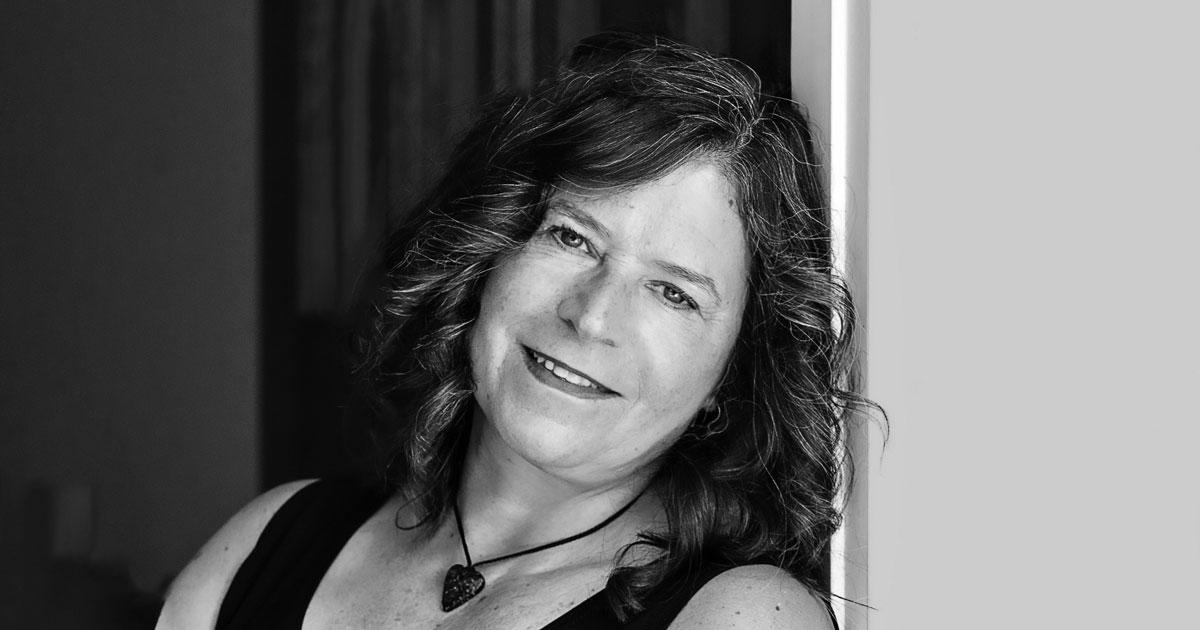
When the emcee announced, “Our next contestant is Carolyn Bolz,” I hurried on stage and smiled at the audience before beginning my speech. Despite the fact that I have dystonia, a movement disorder, I enjoy competing in speech contests and have won quite a few Toastmasters speech contests over the years.
Having dystonia symptoms since I was a kid has taken a toll on my health, though. I have to use a walker (or sometimes a wheelchair) to get around now. My tremors have worsened over the years, too, which makes sitting up for any length of time a struggle.
Sometimes the dystonia in my vocal cords causes my voice to break or sound very raspy. My head often bobs up and down because of the dystonia in my neck. My body also constantly twists to the right because of the dystonia in my trunk. That makes facing forward to look at an audience very difficult for me.
I've noticed that when I'm feeling well rested or relaxed, my dystonia symptoms are usually under better control. There are days, though, when the oral medications that I take don't seem to help me. I've also tried Botox injections and physical therapy, yet both those treatments haven't offered me much relief. And although I've had dystonia most of my life, it still bothers me when strangers stare or ask why I have to use a walker or wheelchair.
The good news, though, is that whenever I'm speaking to an audience—no matter how large or small—I'm often so immersed in my presentation that I forget about my neurologic symptoms for a short while. They're still present, of course, but I'm not thinking about them.
I've spoken at many other events—including women's group meetings, church activities, symposia, and even weddings and funerals—and always feel very encouraged when others can look past my neurologic disorder and concentrate on my words instead.
There's nothing I enjoy more than sharing in front of an audience. I like giving inspirational, uplifting speeches or reciting humorous poems that I've written. Sometimes I even share with an audience the awkward, funny, or even embarrassing experiences I've had because of my dystonia. Those personal recollections seem to make quite an impact on my listeners.
Dealing with segmental dystonia can be a daily challenge for me, but public speaking is something that always brings me joy despite my physical disability. And for that, I feel very grateful.