Life with a Genetic Risk of ALS
How a genetic ALS diagnosis led one woman to advocacy, growing a patient community, and building hope.
How a genetic ALS diagnosis led one woman to advocacy, growing a patient community, and building hope.
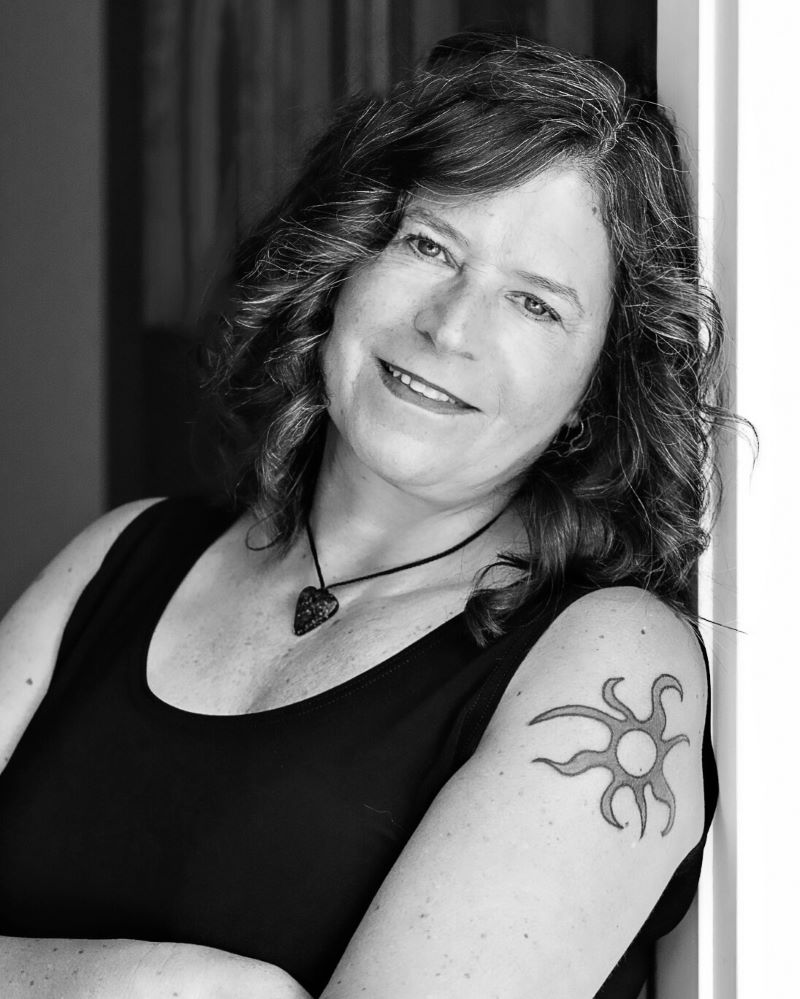
Learning that I carry a fatal neurodegenerative gene was the best thing to ever happen to me. In 2018, I was caring for my husband, who was going through chemotherapy for stage four lymphoma. My mother was dying of amyotrophic lateral sclerosis (ALS), and every six weeks, I’d fly from my home in California to Florida to visit her. I also have two kids—ages 12 and 14 at the time—who needed me.
Then I received the news that I was a carrier of the C9orf72 genetic expansion for ALS and frontotemporal degeneration (FTD). While not surprising given my mother’s ALS diagnosis, this news gave me a warrior’s sense of purpose.
I knew that scientific research would help me have a different outcome than my mother: loss of function in my limbs, slurred speech, trouble breathing, cognitive decline, and inevitable death. I didn’t want my kids to see me die that way, and I didn’t want them to have to live with the risk of ALS or FTD in their own future.
At the time of my diagnosis, there were very few options for an online community of people with similar genetic conditions. I found a small but vocal online community of genetic carriers who had the same idea I had: Cure ALS and FTD before symptom onset. Only 10 to 15 percent of ALS is genetic, but many presymptomatic carriers felt that research was the answer, so I enrolled in as many longitudinal (observational) studies of ALS and FTD that I could find. In the meantime, I kept a written record of my ALS and FTD journey. It would later become my memoir, Last Nerve: A Memoir of Illness and the Endurance of Family.
With the help of chemotherapy, my husband survived. I hoped that medical breakthroughs would save the rest of my family, but in early 2020, after three years of struggling, my mother died of C9orf72 ALS. I had more than 30 family members at risk of developing ALS and FTD. Although I urged them all to think about genetic testing, only three of them were willing to seek the help of genetic counselors. I worried that we could all lose the fight against this genetic risk of ALS. My hope started to wane.
My online community of ALS and FTD carriers decided to host webinars, speak to the National Institutes of Health (NIH) and the U.S. Food and Drug Administration (FDA), and speak openly about our experiences living with the uncertainty of our future. As a small population of genetically at-risk patients, we faced disadvantages, but our group grew, and soon, we were recognized by policymakers, researchers, and pharmacologists. We started our own nonprofit—End the Legacy—to support genetic carriers of FTD and ALS, provide education about research and advocacy, and build hope for the future.
By 2023, I was enrolled in more than 20 studies of genetic ALS and FTD. With every lumbar puncture, EMG, cognitive test, and MRI that I participated in, I became more convinced that a cure was possible. I looked back at the journal I started in 2018 and realized there was an unmet need: A voice for an underrepresented community. I turned my journal into a published memoir because I wanted my family and other carriers of genetic ALS and FTD to have a chance at survival. Because of my love for my kids and my 30 other family members at risk, I continue to search for a cure that science finds elusive.