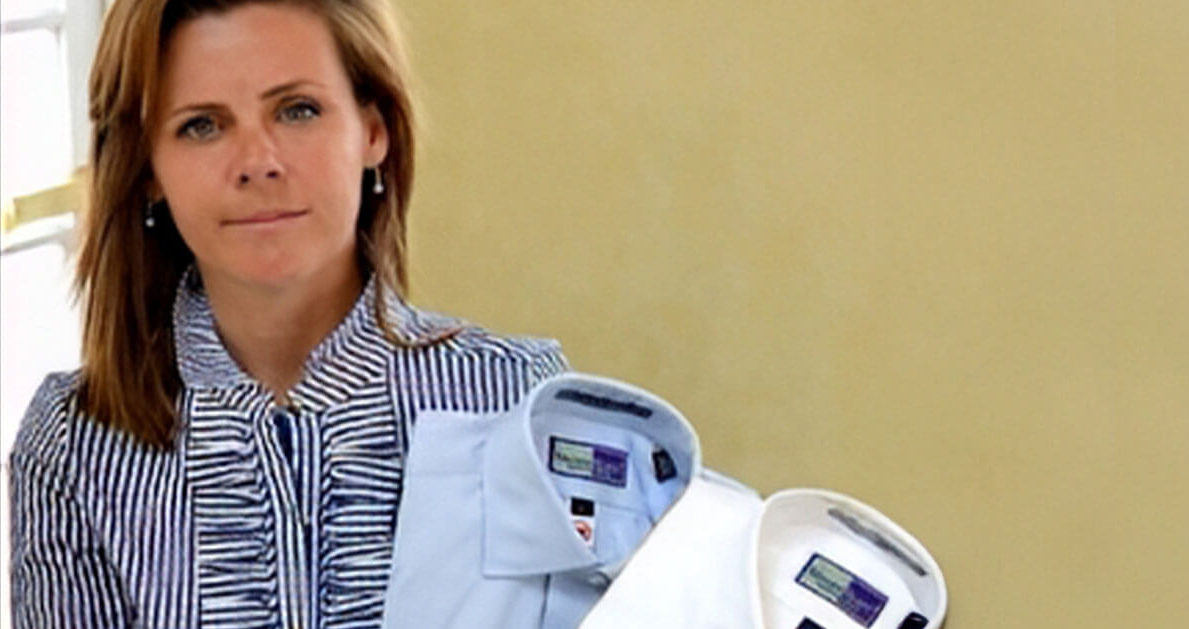
Gabrielle “GG” deFiebre's sudden paralysis changed her life and led her to advocate for the transverse myelitis community.
It started like any other winter break from college. On Dec. 19, 2009, I was shopping at a Florida mall when a nagging neck pain began. It radiated down my arms, and the sensation only worsened, leading to a terrifying loss of mobility in my hand and then my legs.
On an MRI, radiologists pinpointed an area of inflammation in my spine. By then, I had lost all sensation and movement from my chest down. The on-call neurologist diagnosed me with transverse myelitis, a rare neurologic disorder in which spinal cord inflammation disrupts nerve signals, causing pain, weakness, sensory changes, and bladder or bowel issues.
At 21, I was unprepared and knew nothing about disability and wheelchairs. In the rehabilitation hospital, I slowly regained some strength and sensation. The staff tried to prepare me for a life that, thankfully, has proven to be different than they predicted. I fought against negativity, holding onto the belief that I would survive this and still be myself. I worked on my college thesis from the hospital and graduated on time in May 2010. After graduation, I moved back to New York City, where I now live with my spouse. I have made significant progress, but I remain a quadriplegic and use a wheelchair.
My experience in the hospital and afterward steered me toward a career in public health, where I could address health disparities and conduct research. I started my master's degree program in 2011 and my doctorate in 2015, all while adapting to my new life.
In 2014, I began volunteering with the Siegel Rare Neuroimmune Association (SRNA), formerly the Transverse Myelitis Association, and was hired there in 2015. Founded in 1994, SRNA has grown to also support other conditions related to transverse myelitis.
My role as director of research and programs allows me to stay updated on the latest research and help ensure our community has access to vital resources and information. While it can be challenging when systemic barriers prevent me from helping others with certain requests, my own diagnosis doesn't overwhelm my daily work; I'm usually focused on supporting others.
I feel incredibly fortunate to work with others who have these conditions. When I was diagnosed, I'd never heard of transverse myelitis, and it took years to meet someone in person who also had it. Now, I interact with countless individuals affected by these disorders.
I also remain hopeful for the future. We have a dedicated community of medical professionals and researchers who are committed to finding creative funding for research and are deeply involved with our patient community. I believe new scientists will continue to join this field, driving forward research, and that we will continue to learn a lot from other conditions.
—As told to Paul Wynn