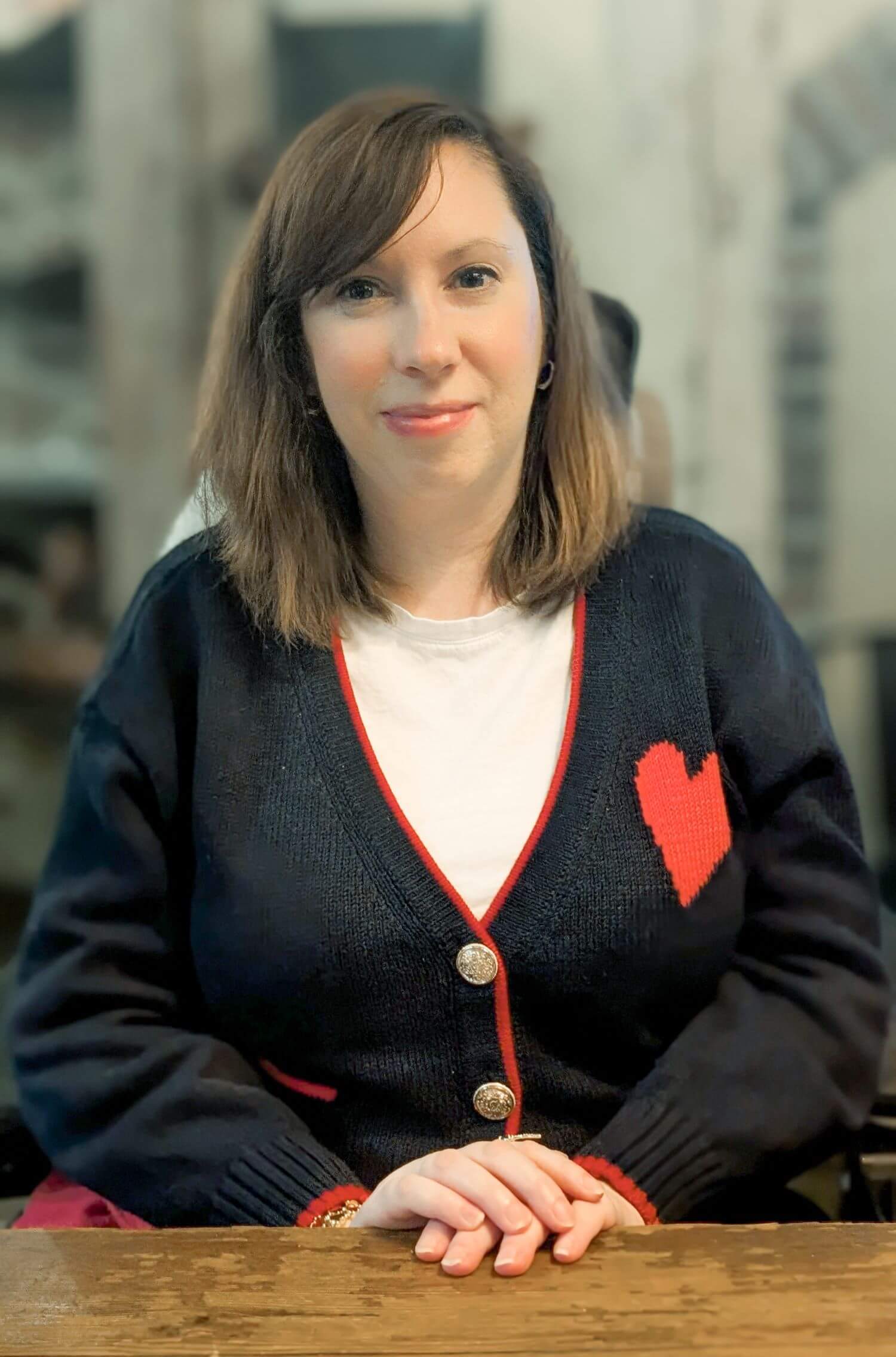
Victoria Nedza’s diagnosis of a rare neuromuscular disease brought her renewed purpose after decades of uncertainty.
For as long as I can remember, my body moved differently. Stairs were harder. Running never came easily. Standing up from low chairs took more effort than it seemed to for everyone else. I didn’t question my situation—it was familiar, and it was mine.
I never thought of myself as sick. I danced instead of ran, finding joy in movement that, in hindsight, masked the early signs of a neuromuscular disease. I moved through childhood and adolescence without pain, meeting milestones like everyone else, and assumed nothing was wrong, even alongside a healthy, active, older brother.
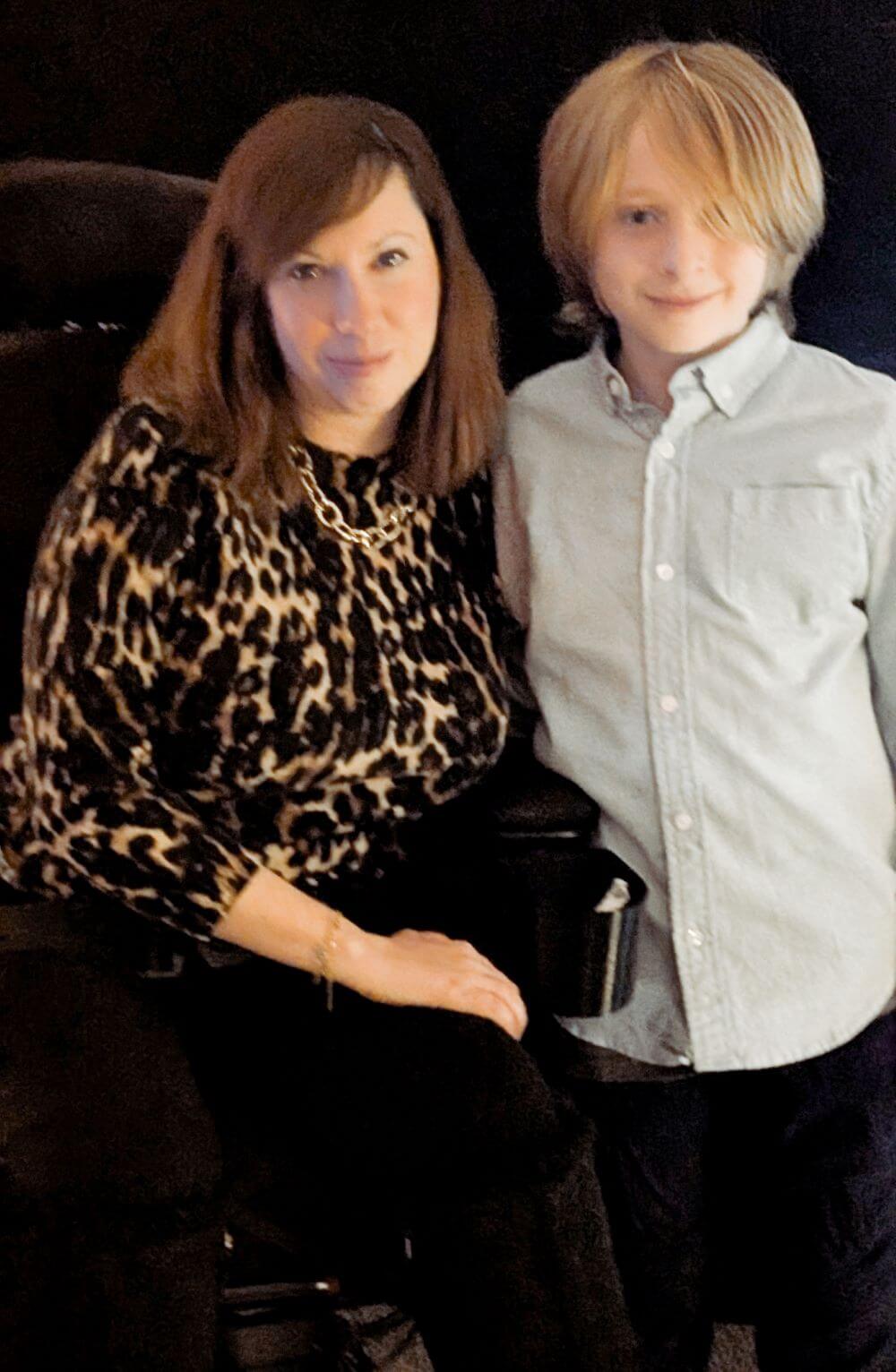
I went to college, built a career, lived in big cities, and focused on meaningful work and relationships. When my son, Jackson, was born in 2015, my attention shifted entirely to him. Any lingering concerns about my body were easy to ignore until daily tasks became undeniably harder.
By my early 30s, carrying groceries, climbing stairs, and walking steadily required increasing effort. I sought medical answers and underwent extensive testing, including muscle biopsies and genetic panels, but results were inconclusive.
COVID-19 changed everything. During the pandemic, my mobility declined rapidly, and I stopped walking. The isolation gave me space to process the changes privately. I pursued genetic testing again to understand what was happening. Although the results of a mail-in test were initially labeled a “variant of unknown significance,” one gene stood out.
Further research led me to a physician who conducted more tests. In March 2023, at age 37, I finally had an answer: I was diagnosed with limb-girdle muscular dystrophy, caused by a spontaneous mutation. What is limb-girdle muscular dystrophy? This rare, neuromuscular disease leads to progressive weakness of the shoulder and hip muscles, but typically at a slower rate than other forms of muscular dystrophy. There are several forms of limb-girdle muscular dystrophy. Identifying the specific genetic change in each person is important since it can affect other parts of health, including heart function.
Today, I mostly get around thanks to a donated motorized wheelchair, and work remotely in the life sciences field as an e-learning developer and project manager, a role that allows me to remain professionally fulfilled while accommodating my physical needs.
Beyond work, I’ve found purpose in advocacy and education. Through the limb-girdle muscular dystrophy community, I connect with others who understand this journey firsthand. I also speak with medical students and therapists, sharing lived experience that textbooks cannot convey.
Even though my body may move differently, I move forward with purpose, motivated by the positive support of the limb-girdle community and my son.
-As told to Paul Wynn