In 2008, I had a serious car accident. Just before I lost control of the car, I remember a feeling of heaviness coming over me and seeing a flash of light. My last memory is of trying to reach the brake pedal with my left foot. I woke up in an ambulance and later learned that I had crossed several front yards before hitting a tree.
I didn't break any bones, but the doctors determined that I had experienced a seizure and diagnosed me with epilepsy. I was shocked. I didn't know anything about the condition or anyone who had it. I was prescribed antiseizure medication and told I'd be taking it for the foreseeable future.
After the accident, I started having seizures more often and couldn't keep a job. My husband, Chris, and I had to move in with family and struggled to pay our medical bills. I became depressed and angry. Fortunately, our families were loving and supportive.
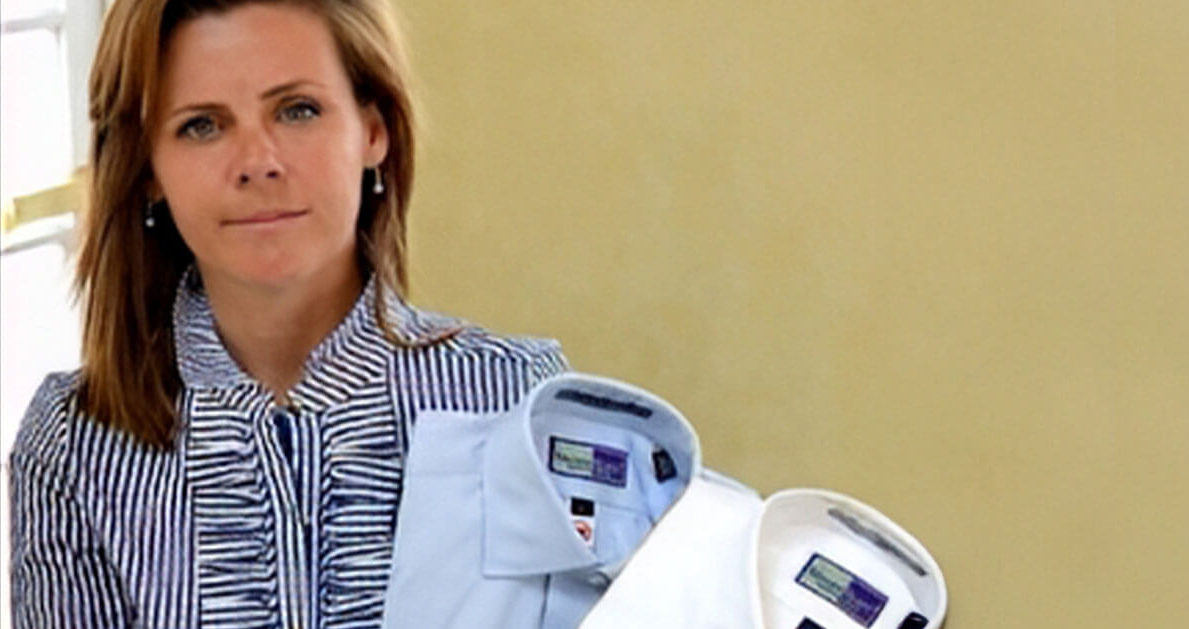
I gradually came to accept my diagnosis, and Chris and I made an effort to learn more about it. Our research inspired us to establish The Epilepsy Network (TEN), an international community of people affected by epilepsy. I also started a blog called Rise Above Epilepsy. We created the network and blog to encourage others to share their stories.
I still have seizures every day, mostly focal onset impaired awareness seizures. [This type of seizure starts in one area of the brain, lasts a minute or two, and may involve lip smacking or fumbling; during the seizure, the person is unaware of his or her surroundings.] About every six months, I have a generalized tonic-clonic seizure. [Formerly called a grand mal seizure, this type affects both sides of the brain and results in loss of consciousness, muscle stiffness, and jerking movements.] My neurologist helps me manage side effects and medication adjustments as needed. Otherwise, I eat a healthy diet, get regular sleep, and exercise daily. I stay positive by connecting with other advocates and hearing their stories.
I never imagined that my diagnosis would give me a new purpose. But instead of robbing me of joy and faith, it has renewed both. At age 36, I am stronger, more engaged, and more patient with myself than I ever used to be. And I've met a whole new community of people who have enriched my life. —As told to Paul Wynn
Listen Now!
On the Brain & Life Podcast, Tiffany shares how she has navigated her epilepsy diagnosis and how she dedicates her time to increasing awareness about the condition across social media platforms.