The first four decades of my life were unremarkable. I earned a college degree, married and divorced, raised two children, and had a rewarding career as a teacher. I traveled and volunteered, was active and outdoorsy, and felt lucky to be able to share life experiences with family and friends.
That all changed when I was diagnosed with multiple sclerosis (MS) at age 40. I had unsettling symptoms like falling for no reason, numbness in my arms or feet at odd moments, a painful, squeezing pressure around my torso (what people call the "MS hug"), and fatigue. I fought hard to keep these symptoms at bay and keep others from developing. I even thought I could beat the disease.
In truth, I was terrified of becoming disabled—a state that, for me, conjured up images of faceless people in tattered clothing with hungry expressions slumped over in duct-taped, battered wheelchairs on the south side of Chicago, near the suburb where I grew up.
But there was no denying that MS had dropped me into a strange place that held no room for my tennis racket, my skis, my road bike, or my hiking boots.
Still I fought it, devising convoluted workarounds for my increasing limitations. When my unsteady legs required a cane, I was too ashamed to be seen in public with it. Instead, I steadied myself with the boxy cart on wheels that I had used for many years to store my books and teaching supplies. I gripped its waist-high handle for support as I wheeled from classroom to classroom at the school where I taught. I thought I could push the scary, progressive, debilitating effects of MS out of my life, just as I was pushing the cart down the hallway.
When my legs got weaker, I got a scooter to propel myself around campus. Students and staff would joke and ask if they could hop on. It was all good-natured fun, but I hated the attention, hated being treated differently.
I'd been brought up to be self-reliant, independent, and able to accept challenges, but now I felt withdrawn, disconnected, and afraid. I felt like less of a person. My despair increased when my MS progressed to the point where I needed a wheelchair. I was face-to-face with my worst nightmare: I was officially disabled.
It took many years, but slowly I grew to accept this new normal. Connecting with other people who had MS was an important first step. From conversations with them and other people in similar situations, I realized I was better off accepting my reality.
And a strange thing happened. The more I accepted my limitations, the more liberated I felt. Refusing to use a wheelchair kept me indoors, where my world was safe and easy—and narrow. Embracing the wheelchair expanded my world and my perspective. I was embarrassed that I had ever shunted the "untouchable" wheelchair-bound people into a corner of my mind, as if they didn't exist.
Today I'm a passionate advocate, determined to show how the able-bodied can help the disabled instead of standing by helplessly—or worse, ignoring them, as I once did. I hope stories like mine can stimulate meaningful conversations about uncomfortable topics or silence the hushed conversations I hear when I'm transferring from one chair to another and my legs collapse and I fall clumsily to the floor.
I believe I can make a difference in the lives of people with disabilities by accepting my place in this strange and brave new world—and championing its value to others.
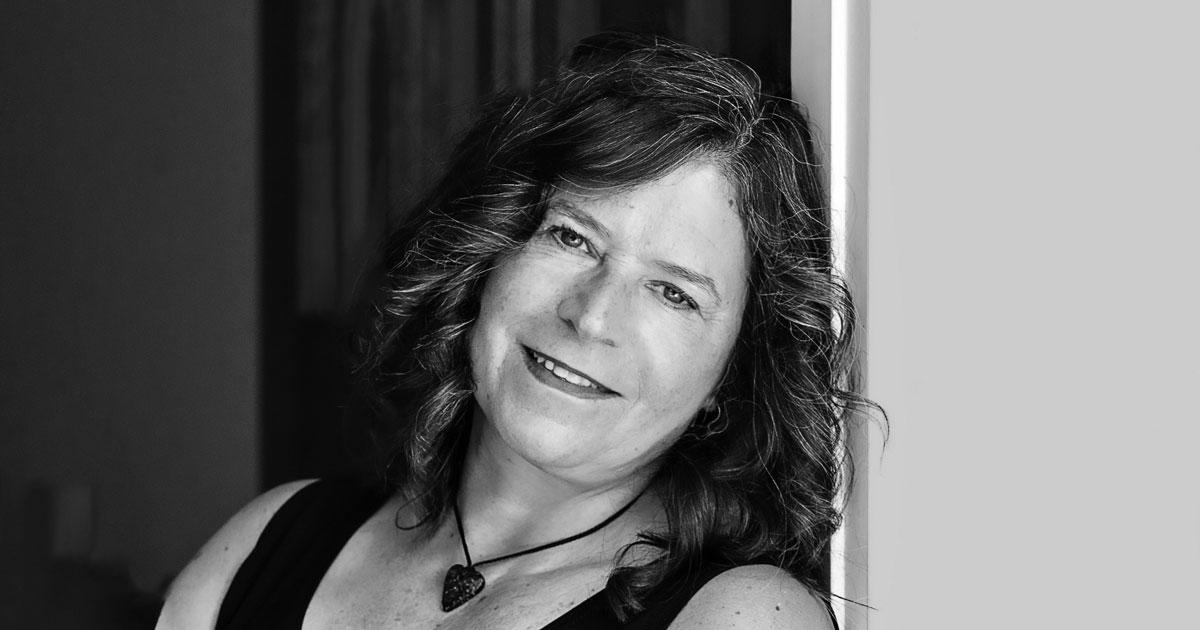
Lorraine Wascher Woods, a retired public school special education teacher, was diagnosed with relapsing-remitting MS in 1993 and secondary-progressive MS in 2008. She currently lives in Seattle.