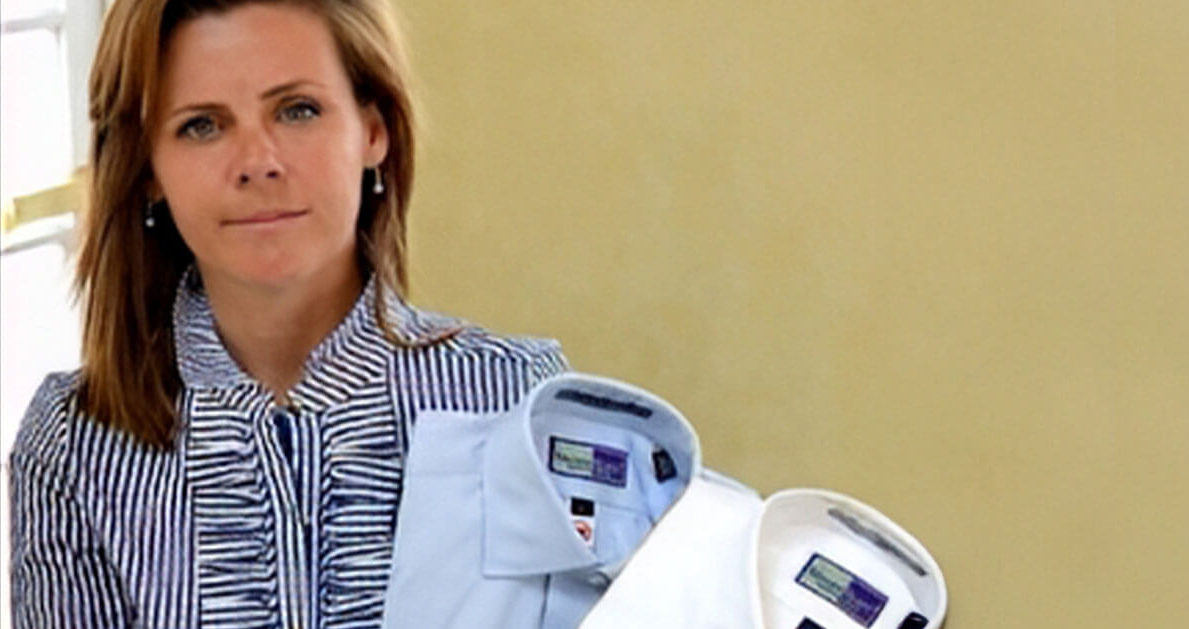
If you visit the nation's capital and see a determined-looking woman with a cane charging along, stand clear. It's likely Stacy Barton, chief of staff to Congressman Steve Chabot (R-Ohio), headed to a hearing or committee meeting. Diagnosed with multiple sclerosis (MS) in 2005 after years of symptoms, Barton relies on her cane when her energy flags.
She first noticed symptoms in 1998. "I felt numbness in weird places, such as a portion of my back," she says. That was followed by other symptoms such as numbness in her torso, difficulty walking, weakness in her hands and arms, and extreme fatigue. "I started to feel so completely exhausted it nearly brought me to tears many times," she says. "That's when I thought something might be really wrong."
Access to an Expert
Barton saw several doctors, to no avail. She eventually spoke with an MS researcher who was the father of a previous boss' press secretary. He referred her to an MS clinic at George Washington University Hospital. "By that point I was barely walking. To get to meetings, I had to hold my boss by the arm as we walked through the halls or brace myself against the wall. It was pretty bad." Immediately after she arrived for her appointment, the doctor had her admitted to the hospital, where she stayed for a week.
Initial Treatment
Barton was administered steroids to decrease and manage the symptoms, then prescribed interferon beta-1a (Rebif). "I chose the drug with the shortest needle," she recalls. She was on it for five to six years. But the side effects were rough, and she still experienced relapses every year.
Healthier Living
To help stay healthy, Barton stopped eating meat, tried acupuncture, saw a chiropractor, and took yoga and Pilates classes on the weekends. "I wanted to stay well and not get worse," she says. These complementary therapies helped relieve stress, which is "the biggest enemy for people with MS," she says. "These things help me manage the stress of my job and life, and managing the stress helps me manage the MS."
A Change in Treatment
As her disease became more aggressive, Barton switched to alemtuzumab (Lemtrada). So far it's working, she says. "There is no cure for MS, but you have to hope you won't continue to relapse."
"The goal isn't to get me through the entire day," she adds. "It's to get me through the most important meetings and assignments of each day."
Covering Costs
Barton says she's lucky to have always been insured, either through her employer or her husband's employer. Both plans paid for her MS medications. But she's also aware that that's not the case for many of Chabot's constituents. She says she is "deeply saddened" by the tone and substance of the recent health care debate, which tends to focus on cost and coverage. "There's so much more to discuss, such as quality of care and the flexibility to pursue alternative therapies," she says.
Barton adds that she talks about health insurance regularly with colleagues and constituents. Having MS and raising an autistic daughter whose therapies have not always been covered fully by insurance have made her more empathetic to Chabot's constituents, with whom she has been candid about her health problems. "They are relieved to hear from someone who understands the situation from more than a theoretical standpoint," she says.
Powering Ahead
Still, Barton admits, she has days when she thinks about quitting, when the fatigue and dizziness feel overwhelming. She has internal "pity parties" where she hears a voice say, "This is too hard. Just stop already. Get a normal job or don't work at all." But that would be giving up, and she's not ready to do that. "I have times when my legs are working and strong and I can move around with ease, and then I have times when it's just extremely difficult and frustrating."
Unbowed, Barton wears a Fitbit, a digital exercise tracker, and frequently walks the perimeter of her office building, close to the stone walls. They keep the temperature cool, which is critical for someone with MS who is prone to overheating.
Barton knows that the health insurance debate is likely to be ongoing and that she will continue to field questions from constituents and advise the congressman. So she's keeping her Fitbit and cane at the ready.