Smartwatch App Detects Seizures with Low Rate of False Alarms
Study finds EpiWatch app can accurately detect tonic-clonic seizures.
Study finds EpiWatch app can accurately detect tonic-clonic seizures.
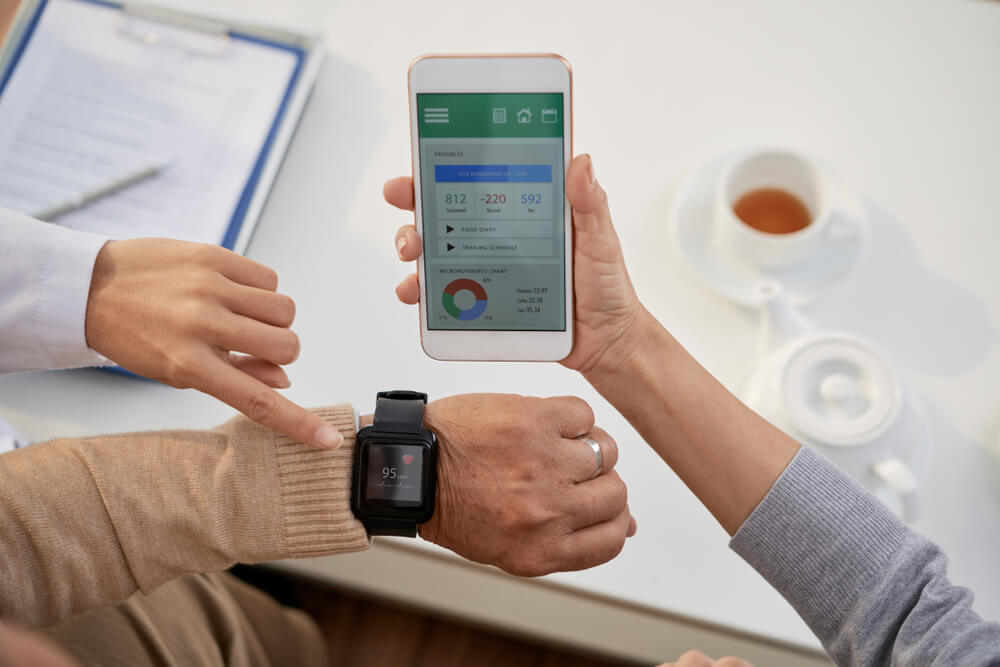
A new study published May 27, 2026, in Neurology Open Access® found that a smartwatch app called EpiWatch can accurately detect tonic-clonic seizures with a low rate of false alarms.
Tonic-clonic seizures can cause a person to lose muscle control and may block their airway, increasing the risk of sudden unexpected death in epilepsy (SUDEP). Wearable devices that detect these seizures can alert caregivers to provide first aid, but high false alarm rates in some devices can discourage people from using them consistently.
The study included 242 adults and children with epilepsy, with an average age of 23. Each participant was monitored for about two-and-a-half days in a hospital using video-EEG, the standard method for tracking seizures. Participants wore smartwatches with the EpiWatch app.
Of the 242 participants, 37 experienced at least one tonic-clonic seizure. The app detected 46 of 47 tonic-clonic seizures—a 98% success rate. The one missed seizure occurred because a caregiver was holding the participant's arm. By comparison, other seizure detection devices have reported success rates ranging from 76% to 94%.
After over 16,000 hours of monitoring, there were just 56 false alarms, which is 90% lower than what has been reported for other devices. Most false alarms were linked to activities such as playing video games or other repetitive movements.
"Wearing some seizure monitoring devices may carry a stigma, but using a common smartwatch with an app does not, which is important for encouraging regular use," says study author James W. Wheless, MD, of Le Bonheur Children's Hospital in Memphis, Tennessee.
A limitation of the study is that all seizures took place in a controlled hospital setting. The results may not show how the app performs at home, where everyday factors could affect its accuracy.
Read more about how wearable technology can help monitor brain health.
Medically reviewed by Sarah Song, MD, MPH, FAAN