Wearable Technology's Growing Role in Monitoring Brain Health
Experts explain how data from smartwatches and health rings can help track brain health and improve care for those with neurological conditions.
Experts explain how data from smartwatches and health rings can help track brain health and improve care for those with neurological conditions.
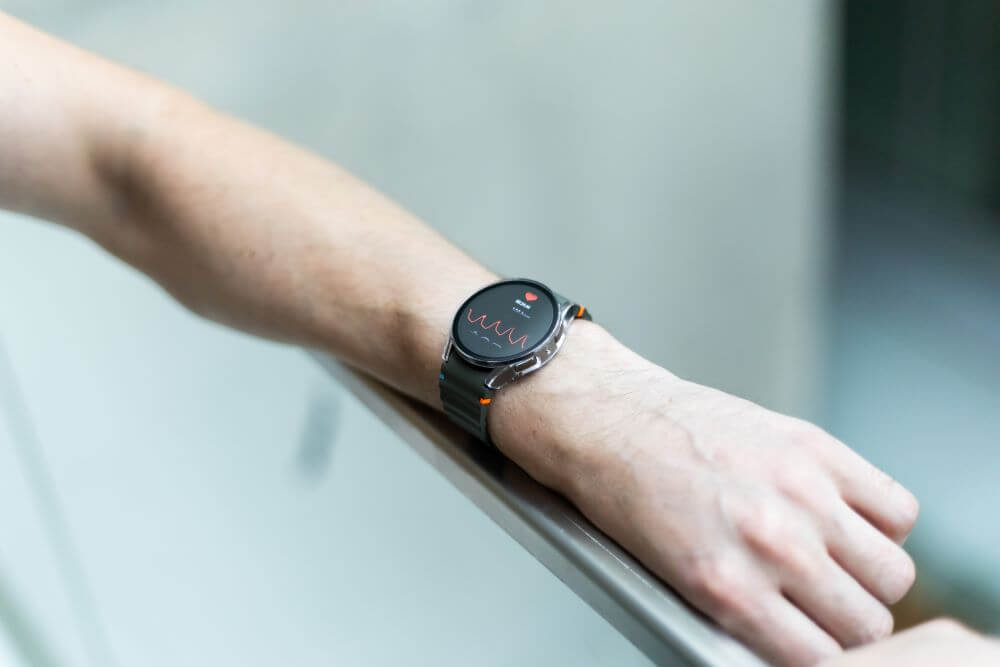
For more than a decade, people have used wearable technology (wearables) like the Oura Ring or Apple Watch to manage their physical and mental health. They track daily steps, heart rate, sleep patterns, and even blood oxygen levels. Now, neurologists are using wearables to help their patients manage chronic conditions such as epilepsy, Parkinson’s disease, and stroke.
Neurologists use the information that the wearable tracks to help them better understand a patient’s conditions and symptoms like seizure, migraine, multiple sclerosis-related fatigue, or Parkinson’s disease mobility change. “This can lead to earlier intervention and better patient engagement,” explains Smita Patel, DO, MS, FAAN, an integrative neurologist and sleep medicine physician at Endeavor Health in Glenview, IL. “[Wearables] can track sleep, circadian rhythm, and heart rate variability, all of which strongly influence neurological function,” she adds.
Anup Patel, MD, FAAN, a professor in clinical pediatrics and neurology at the Ohio State University College of Medicine, encourages patients to use wearables to track health metrics throughout the day. “[The device] helps people to see that their heart rate spikes when they drink alcohol or their blood pressure rises when they eat salty food,” he explains. Research suggests that these wearables can spur behavior change.“Oftentimes, when patients see health consequences in real time, they’re more likely to focus on lifestyle interventions such as eating a heart-healthy diet or engaging in more regular exercise,” Dr. Anup Patel adds.
The wearables track sleep quality, physical activity, and heart rate variability, which all play a role in brain health. Dr. Smita Patel explains that getting seven to nine hours of sleep helps your brain clear out waste and consolidate memories; getting enough daily movement—7,000 to 10,000 steps—improves blood flow to the brain. Heart rate variability can reflect how well your body copes with stress. “Over time, combining this data with how you feel helps personalize routines that protect your brain and overall well-being,” she says.
Sometimes, wearable technology can even show signs of a potential neurological condition such as recurrent abnormal movements, significant sleep disruption, changes in heart rate variability, or new gait instability. The wearable can notice trends you might not otherwise see, serving as an early warning to make an appointment with a neurologist.
About one in three people with epilepsy continue to have seizures even with medical treatment. “Wearables can help with seizure detection,” says Gregory Krauss, MD, professor of neurology at Johns Hopkins University.
There are a couple of FDA-cleared wearables and mobile apps that help people with specific neurological conditions. The EpiMonitor wearable and the EpiWatch app for the Apple Watch detect tonic-clonic seizures. Tonic-clonic seizures are the type of seizure that most people picture when they think of a seizure: a person will lose consciousness and have bilateral muscle contractions.
The EpiMonitor and EpiWatch can sense small changes in your skin that happen when you sweat. During a tonic-clonic seizure, the body often sweats more than usual, so the wearable uses the sweat as a signal that a seizure may be happening. The wearable then sends a warning to both the patient and their caregiver.
“These devices can be very effective to reduce risk for sudden unexpected death in epilepsy (SUDEP), which usually occurs with tonic-clonic seizures,” says Krauss. “Research shows that the risk for SUDEP goes up dramatically if a person sleeps alone, probably because they end up face down in bed and suffocate. But if a caregiver is alerted that they are having a seizure, the caregiver can come in and rouse the patient.”
Both devices have about 98 percent accuracy at predicting seizures and a low false alarm rate. “I have found that these types of devices really help my patients because it gives them a sense of control,” says Dr. Krauss. “They can use the data to help them figure out if a seizure is coming, and they can also use it to help identify seizure triggers and gauge whether their current treatment is working.”
In a recent article published in Neurology®, it was noted that everyday wearables (e.g., Oura Rings and Apple Watches) make it much easier for a person to track their seizures and symptoms. Rather than keeping a written log, the wearable or mobile app can help record the information electronically and send it directly to their neurologist. This article also notes that patients tend to prefer everyday wearables rather than the wearables provided by a medical facility because they attract less attention and are less stigmatizing.
Other mobile apps, like StrivePD, can help patients log symptoms that can be shared with their health care provider. “They offer insight into day-to-day function that is difficult to capture during brief clinic visits,” says Dr. Smita Patel. Wearables can also help detect falls. “Some neurological conditions, such as stroke, Parkinson’s disease, dementia, or epilepsy, carry a higher risk of falls,” says Dr. Anup Patel.
Research shows that common wearables like the Apple Watch or Oura Ring can detect falls about 80 percent of the time, although they may be much less accurate for people who use a wheelchair. Another study is looking at whether wearables can help predict fall risk by measuring gait and balance, but it’s still preliminary.
A recent study from Neurology® shows promising results for using everyday wearables to detect multiple sclerosis disease progression.
Wearables can be an important tool to help manage your neurological disorder, but they should always be used with guidance from your neurologist. “It’s easy to misunderstand and make assumptions on what the information shows you,” Dr. Anup Patel explains. “It’s important to always share your tracking information with your provider and discuss how it can benefit your overall care and treatment plan.”
Dr. Smita Patel agrees. “Wearables provide data, not diagnoses,” she explains. “They don’t directly measure brain activity, so they’re best used to observe trends.” When used thoughtfully, wearables help the patient and health care provider work together to create a personalized care plan and address concerns sooner.