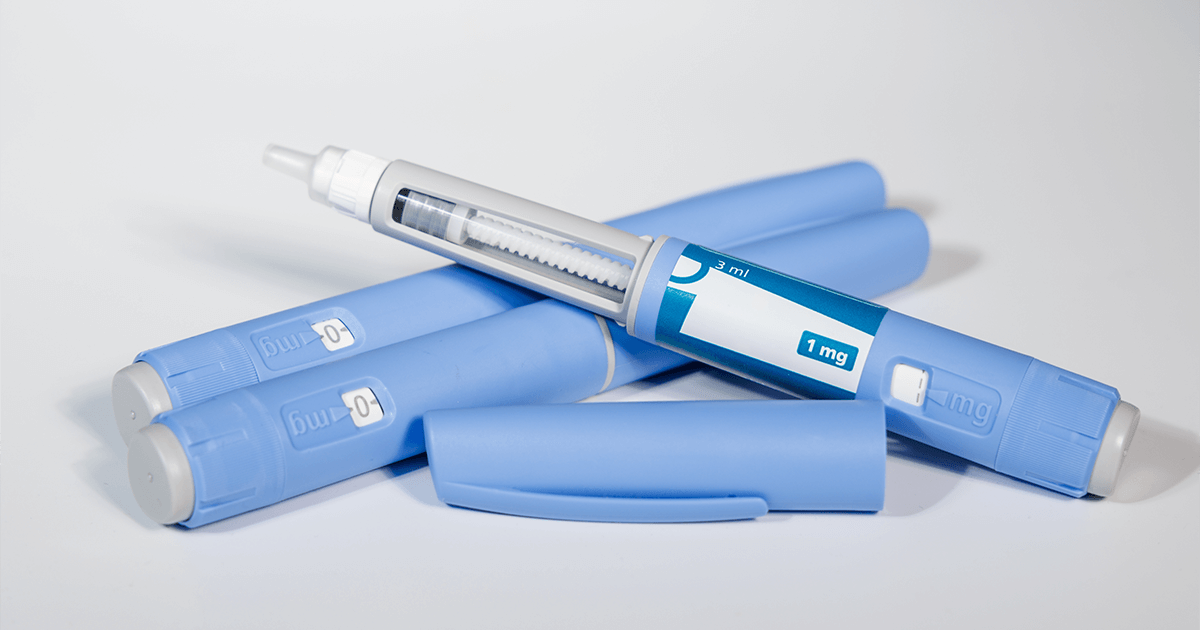
The weight loss drugs tirzepatide (Zepbound) and semaglutide (Wegovy) can be injected at home once a week. Doses are increased gradually over a four- to eight-week period to reduce gastrointestinal effects. In rats, the drugs, known as glucagon-like-peptide-1 (GLP-1) receptor agonists, have been shown to cause thyroid C-cell tumors. It's not known if they cause these tumors in humans, but people with a personal or family history of thyroid cancer are ineligible for the medications.
A study in July 2024 by researchers at Mass Eye and Ear in Boston found that people taking semaglutide for type 2 diabetes or weight loss had a higher risk of developing nonarteritic anterior ischemic optic neuropathy, an eye condition that can cause blindness, than people taking medications other than GLP-1 drugs for diabetes or obesity. Other serious side effects are kidney failure, pancreatitis, and gallbladder problems.
Common side effects include nausea, diarrhea, vomiting, constipation, stomach discomfort, rash or pain around the injection site, fatigue, burping, hair loss, and gastroesophageal reflux disease.
Most health insurance carriers will cover tirzepatide for weight loss for people who are obese or overweight with at least one weight-related condition, such as high blood pressure, type 2 diabetes, or high cholesterol. Obese is defined as a BMI of 30 or higher; overweight is a BMI of 25 to 29.9, according to the U.S. Centers for Disease Control and Prevention.
A January 2024 study by Epic Research showed that more than half of people taking semaglutide or liraglutide (Victoza 2-Pak) who lost at least five pounds maintained their weight loss or lost more for a full year after discontinuing the medication.
Another 17.7 percent regained the weight they lost or exceeded their initial weight.
Read More
Could Weight Loss Drugs Reduce the Risk of Neurologic Disorders?