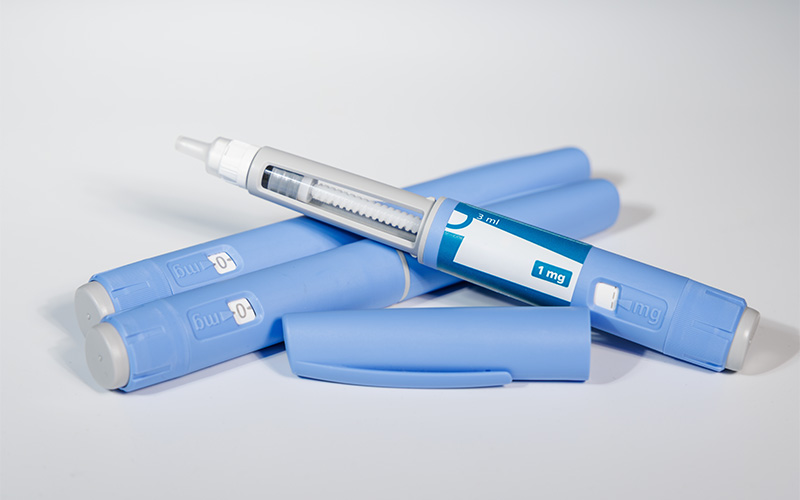
In a new study, published in Neurology®, medications commonly used to manage type 2 diabetes were associated with a reduced risk of epilepsy among study participants. The study looked at whether glucagon-like peptide-1 receptor agonists (GLP-1 drugs) could have benefits beyond blood sugar control.
The study does not prove that GLP-1 drugs lower the risk of developing epilepsy; it only shows an association.
What the Researchers Found
GLP-1 drugs are widely prescribed for diabetes and weight management. In this study, researchers analyzed data from more than 450,000 adults with type 2 diabetes who started either a GLP-1 drug or a dipeptidyl peptidase-4 inhibitor (known as DPP-4 inhibitor). Study participants did not have a prior diagnosis of epilepsy or seizures. The GLP-1 drugs included in the study were dulaglutide, liraglutide, and semaglutide.
Participants were followed for at least five years. During that time:
- 2.35% of people taking GLP-1 drugs developed epilepsy.
- 2.41% of people taking DPP-4 inhibitors developed epilepsy.
After adjusting for factors like age and cardiovascular disease, researchers found that people on GLP-1 drugs were 16% less likely to develop epilepsy. Among the GLP-1 drugs studied, semaglutide showed the strongest association to not developing epilepsy.
Why It Matters
“Additional randomized, controlled trials that follow people over time are needed to confirm these findings, but these results are promising, since people with diabetes are at increased risk for developing epilepsy later in life,” said study author Edy Kornelius, MD, PhD, of Chung Shan Medical University in Taichung, Taiwan. “Epilepsy can have many physical, psychological, and social consequences, and many people do not respond to the current medications, so finding ways to reduce this risk is critical.”
Dr. Kornelius stressed that the findings do not mean DPP-4 inhibitors are harmful or that GLP-1 drugs are guaranteed to protect brain health. Tirzepatide, another GLP-1 option, was not included because it became available after the study began.
Important Reminders
The study was observational; it was not intended to show cause and effect. Researchers also lacked data on factors that can affect the risk of epilepsy, like family history, genetics, and alcohol use. Other factors, such as cost, insurance coverage, or the severity of the person’s diabetes, could determine which drug they were prescribed, which could have affected the study results.
Future trials could help elucidate other potential benefits of GLP-1 drugs beyond sugar control.
What Now?
If you have type 2 diabetes and are concerned about your overall brain health, here are steps you can take:
- Talk to your doctor: Ask whether GLP-1 drugs are appropriate for you based on your overall health and blood sugar levels.
- Don’t switch medications on your own: This study is preliminary. GLP-1 drugs can have side effects and may not be right for everyone.
- Know your risk factors: Family history, lifestyle, and other health conditions influence your risk of developing epilepsy. Discuss these with your health care team.
- Stay informed: Research on diabetes medications and brain health is evolving. Follow updates from trusted sources like Brain & Life.