This information sheet is provided to help you understand how to recognize concussion in injured athletes.
Neurologists from the American Academy of Neurology (AAN) are doctors who identify and treat diseases of the brain and nervous system. The following evidence-based information* is provided by experts who carefully reviewed all available scientific studies on the evaluation and management of sports concussion in athletes. This information updates the findings of the 1997 AAN guideline on this topic.
Concussion is a serious health issue for all athletes, regardless of age, gender, and type or level of sport played. Injured athletes need clinical evaluation to make sure that they are not at risk for health problems.
What is a Concussion?
A concussion is a type of brain injury. It can happen when the head hits an object or a moving object strikes the head. It also can happen when the head experiences a sudden force without being hit directly. Each year, 1.6 to 3.8 million concussions result from sports injuries in the United States. Almost nine percent of all US high school sports injuries involve concussions. Most concussions result in full recovery. However, some can lead to more severe injuries.
What are the signs and symptoms of concussion?
Concussion signs are things you can observe about the athlete. These include:
- Behavior or personality changes
- Blank stare, dazed look
- Changes to balance, coordination, reaction time
- Delayed or slowed spoken or physical responses
- Disorientation (confused about time, date, location, game)
- Loss of consciousness/blackout (occurs in less than 10 percent of cases)
- Memory loss of event before, during, or after injury occurred
- Slurred/unclear speech
- Trouble controlling emotions
- Vomiting
Concussion symptoms are things the athlete tells you are happening. These include:
- Blurry vision/double vision
- Confusion
- Dizziness
- Feeling hazy, foggy, or groggy
- Feeling very drowsy, having sleep problems
- Headache
- Inability to focus, concentrate
- Nausea (stomach upset)
- Not feeling right
- Sensitivity to light or sound
Who is at risk for a concussion? How can I know if my team members are at risk?
Concussions can occur in many sports. Concussions are common in high-speed contact sports. The studies examined here looked at concussion risk in several sports. Strong evidence shows:
- Football, rugby, hockey, and soccer pose the greatest risk
- Baseball, softball, volleyball, and gymnastics involve the lowest risk
- The studies also examined concussion risk by:
- Gender
- Equipment used
- Previous concussion(s)
- Age and level of sport
- Position played
In terms of gender, the studies suggest that risk varies from sport to sport. Some studies compared concussion risks for males and females by sport. There is strong evidence that concussion risk in soccer and basketball is greater for females than for males. For other sports, there is not enough evidence to show any clear differences in risk by gender.
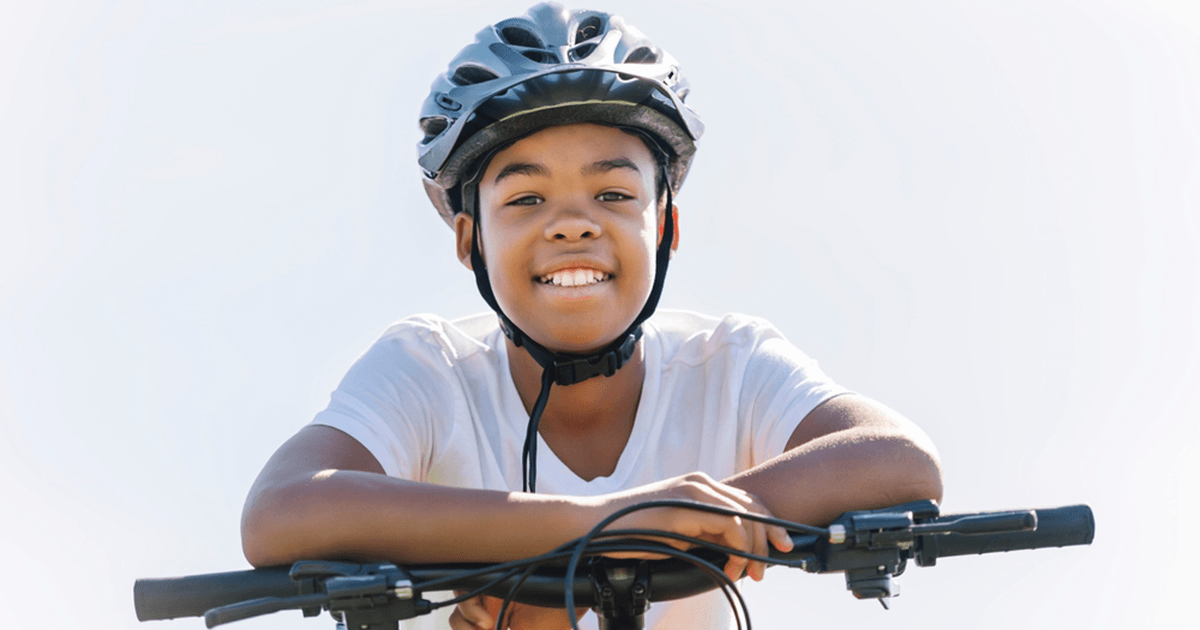
For headgear, there is moderate evidence that its use in rugby can lower concussion risk. The headgear should be well-fitted, well-designed, and well-maintained. The use of football helmets to protect against concussion has not been studied. But given the evidence for headgear use in other sports, one can assume football helmets also are helpful. Mouth guards often are used to prevent dental injuries. However, there is not enough evidence to show if mouthguards help prevent concussions.
In addition, there is not enough evidence to show:
- That one type of football helmet gives more protection than another
- That headgear use in soccer or basketball protects against concussion
For athletes who have had a concussion before, there is strong evidence of greater risk for another one. Moderate evidence shows the risk for another concussion may be greatest within ten days after a first one.
There is not enough evidence to show if risk varies by age, level of sport played, or position played.
What should I do if a team member has a head injury during a game?
If you suspect an athlete may have a concussion, remove the athlete from play immediately. This will reduce the risk of further injury.
Moderate evidence shows that checklists and screening tests can help with diagnosing concussions. Where available, athletic trainers working with athletes should become familiar with such tests. These include:
- Balance assessment tests
- Brief mental status exams
- Symptom checklists
- The Standardized Assessment of Concussion (SAC)
Training in the proper use of these tests is important to obtain accurate information. Results should be shared with the athlete’s licensed health care professional. Test results should not be the only information used to diagnose or rule out a concussion. A concussion diagnosis should be based on a clinical exam and health history. No single test score can be the basis of a concussion diagnosis. Note that some tools have not been standardized for use in preteen children or younger.
The injured athlete should be evaluated by a licensed health care professional. This person should be trained in diagnosing and managing concussion. The person also should be skilled in recognizing more severe brain injury.
A team member has been diagnosed with a concussion. When can this athlete return to play/practice?
If an athlete is diagnosed with a concussion, two things are required before he or she returns to play:
- All symptoms should have cleared up. In addition, the athlete should not rely on medication to treat lingering symptoms. These include symptoms such as
headache which might be masked by medication. The athlete should be free of symptoms even after stopping medication. - The athlete should be approved for play by a licensed health care professional trained in diagnosing and managing concussion.
The athlete should be returned to play slowly. Weak evidence suggests a step-by-step plan of return to activity might be helpful. The plan should exclude any activities that worsen symptoms or put the athlete at risk of another concussion. A licensed health care professional trained in concussion should design this to fit the athlete’s needs.
There is no set timeline for recovery or return to play. There also is no evidence for absolute rest after a concussion. However, high school athletes or younger should be managed more conservatively than older athletes. Moderate evidence shows that these athletes have symptoms and thinking problems that last longer than in older athletes. Therefore, these younger athletes take longer to safely recover than older athletes.
For injured athletes with continued symptoms, moderate to strong evidence shows ongoing thinking problems and slowed reaction times can persist. Weak
evidence shows that athletes with ongoing symptoms may be risking further injury—and longer recovery time—if they try to participate in sports before symptoms have completely cleared.
All athletes might benefit from counseling on long-term health risks.
This AAN guideline is endorsed by the National Football League Players Association, the American Football Coaches Association, the Child Neurology Society, the National Academy of Neuropsychology, the National Association of Emergency Medical Service Physicians, the National Association of School Psychologists, the National Athletic Trainers Association, and the Neurocritical Care Society.
This statement is provided as an educational service of the American Academy of Neurology. It is based on an assessment of current scientific and clinical information. It is not intended to include all possible proper methods of care for a particular neurologic problem or all legitimate criteria for choosing to use a specific procedure. Neither is it intended to exclude any reasonable alternative methodologies. The AAN recognizes that specific patient care decisions are the prerogative of the patient and the physician caring for the patient, based on all of the circumstances involved.
*After the experts review all of the published research studies, they describe the strength of the evidence supporting each recommendation:
Strong evidence = more than one high-quality scientific study
- Moderate evidence = at least one high-quality scientific study or two or more studies of a lesser quality
- Weak evidence = means the studies, while supportive, are weak in design or strength of the findings
- Not enough evidence = means either different studies have come to conflicting results or there are no studies of reasonable quality