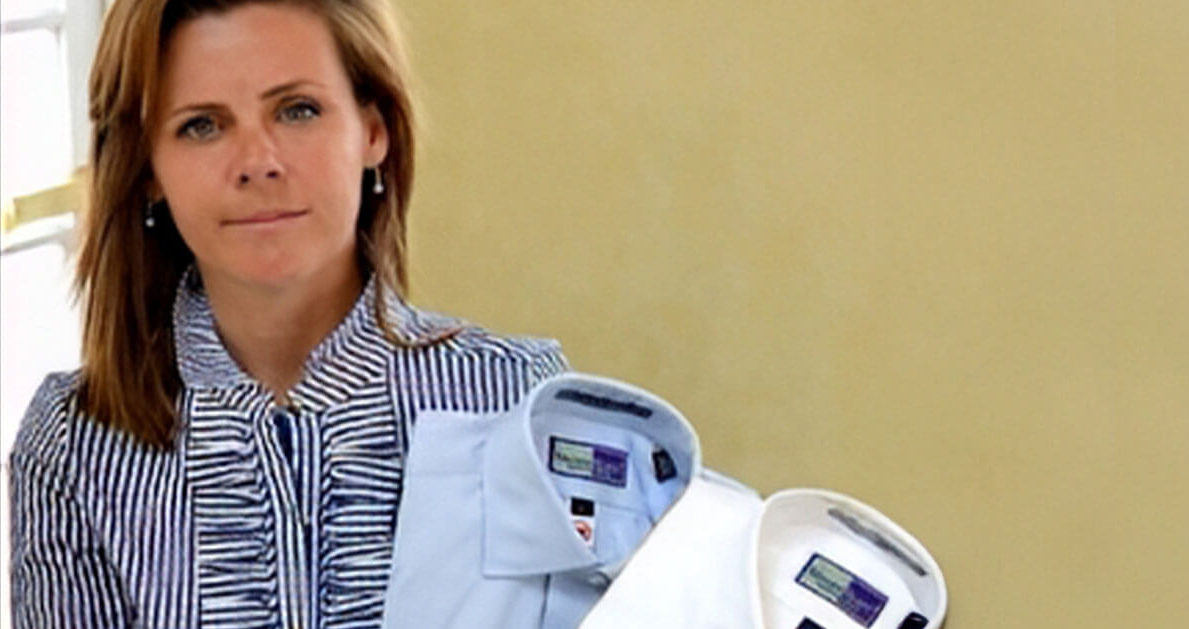
Maggie Spolizino became an advocate for people with CADASIL, a rare neurologic disorder, after her husband, Bob, died from it in 2019.
The first sign that something was wrong with my husband was a severe migraine. After the first one, in 1996, Bob, who was 40 at the time, began having debilitating attacks frequently. For years, we had no idea what was causing them, despite having seen many doctors. Then his memory and cognitive abilities began to deteriorate. An initial diagnosis was multiple sclerosis (MS), and he started treatment with a drug for MS.
In a subsequent visit with a new neurologist, Bob was diagnosed with cerebral autosomal dominant arteriopathy with subcortical infarcts and leukoencephalopathy [CADASIL], a genetic disorder caused by a faulty gene that can result in cognitive impairment, short-term memory loss, strokes, seizures, migraines, and dementia—all from damage to small blood vessels in the brain. Currently, there are no treatments to slow progression or reverse symptoms.
Given the genetic factor, I have encouraged my two children to get tested. So far, they have decided not to. Bob retired from the police force in 2004 and remained engaged by maintaining our home and garden, hanging out with friends from the police force, and spending time with family at our pool. As his condition progressed, these activities became increasingly difficult. He became uneasy, anxious, paranoid, and disoriented. He didn't want to leave the house because he thought people were judging him.
I joined two support groups: one for people caring for someone with Alzheimer's disease and an online group through a patient organization called CureCADASIL. The latter offered valuable resources and a sense of solidarity.
Bob remained physically strong until April 2019, when he was too weak to get out of bed. I had prayed for years that he'd have a peaceful death, not wanting him to end up in a nursing home or remain bedridden for years. Hospice care allowed him to die at home surrounded by his family. Since Bob's death at age 63, I have helped raise awareness of the disease. I've also connected with families through online message boards and Facebook communities, providing support for newly diagnosed patients and sharing what I've learned.
My children and two granddaughters, who may carry the genetic marker, are constant reminders of the need for ongoing research, awareness, and support for CADASIL. Their future drives me to fight harder, knowing that our efforts could lead to breakthroughs one day.
—As told to Paul Wynn