How One Photographer Is Documenting Life With ALS
Professional photographer Rusty Costanza is using his camera to put a spotlight on the realities of living with ALS.
Professional photographer Rusty Costanza is using his camera to put a spotlight on the realities of living with ALS.
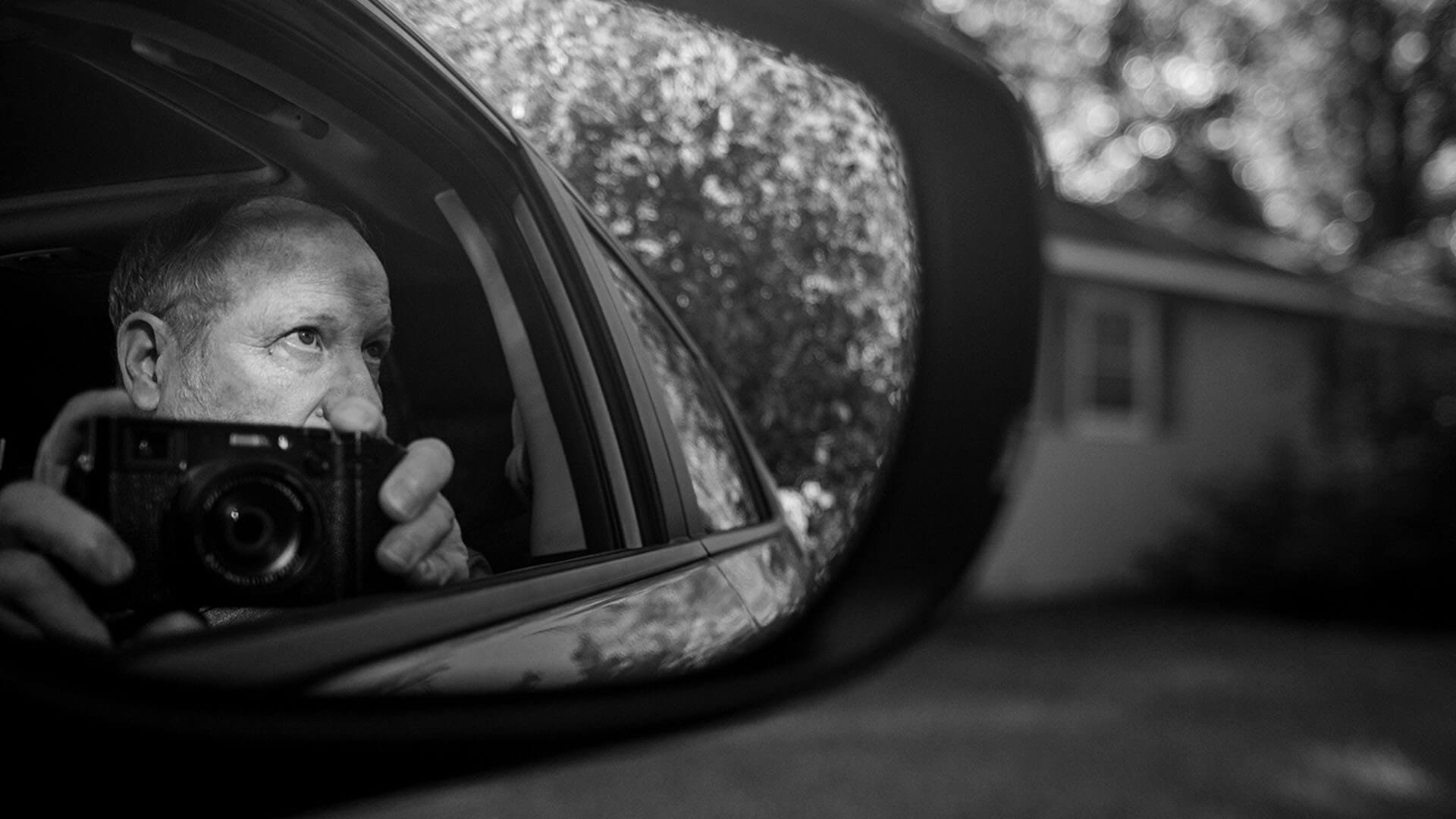
In sixth grade, I got a camera for Christmas and fell in love with “making pictures” (as photographer Ansel Adams famously said). By eighth grade, I was developing black and white film in the garage. Throughout high school, I documented everything my friends and I did, usually something stupid. For 35 years, I made my living as a photographer—first in newspapers, later freelancing. And I loved it. I absolutely loved it.
In February 2025, I was diagnosed with amyotrophic lateral sclerosis (ALS). My cameras and gear became too heavy to hold. It felt like the end of everything. Then a friend gave me a lightweight point-and-shoot camera with a 35-mm lens. It was just like my first camera in sixth grade. I began shooting in black and white—back to where I began.
At first, I continued to make pictures because it was good for my soul. I made pictures of the people around me, of the countless vials of my blood that were drawn, of the medications and devices I’d never heard of before.
Then, photos became a way to thank the family members who offered support—gave me rides to physical therapy, sent unexpected texts or emails, brought food, cleaned the gutters, took me to lunch. I shot photos from passenger seats and through rearview mirrors. I joked that I could put on an exhibit, “Life Through the Rear View Mirror,” but I never thought anything like that would happen.
G. Andrew Boyd is yet another friend who has done so much for me. He helped turn my dream of an exhibit into a reality. In April and May 2026, the St. Tammany Art Association hosted Love in the Face of ALS: A Photographic Journey, a collection of 35 of my photos.
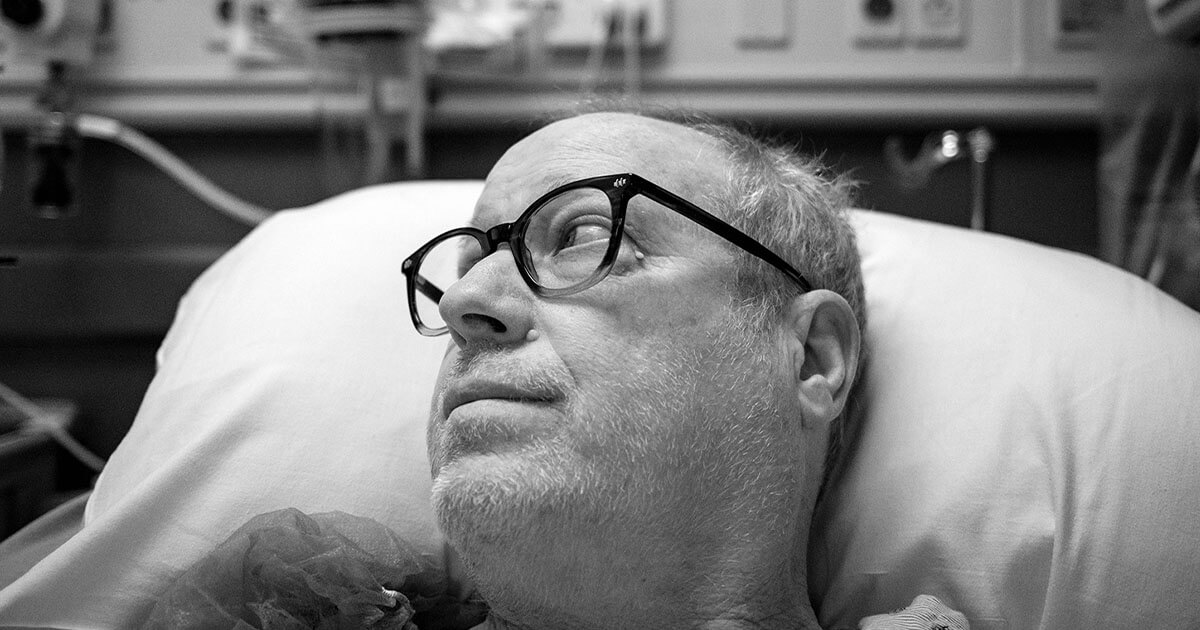
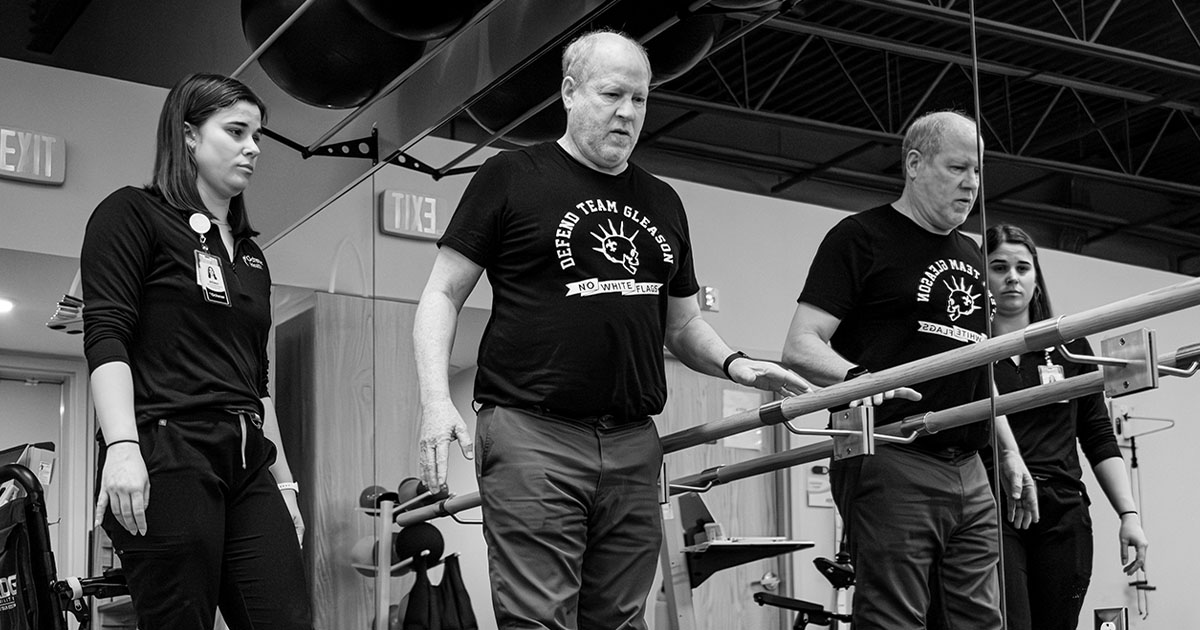
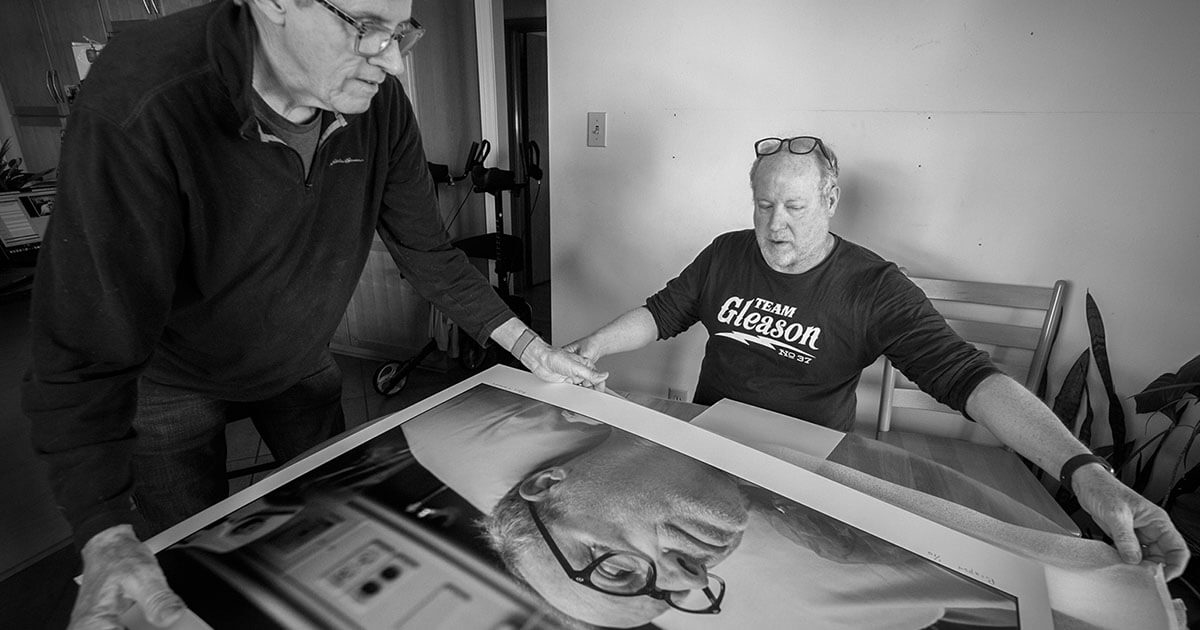
The idea of an exhibit was exciting and terrifying at the same time. But I was willing to share my photos because I want to raise awareness about ALS. Maybe people who saw the exhibit or heard about it will contribute money to research. Maybe future patients with ALS will live longer, perhaps even be cured. Maybe my photography will have made a difference.
I have ALS, but I’m a lucky man. Before my diagnosis, I didn’t know how many people cared about me or would take time away from their busy lives to support me when I needed it. ALS changed my life in many ways, but they aren’t all bad. I never expected this continued outpouring of love and generosity, but I’m so very thankful for it. I used to take people’s kindness for granted. Now, I don’t.
– As told to Natalie Pompilio