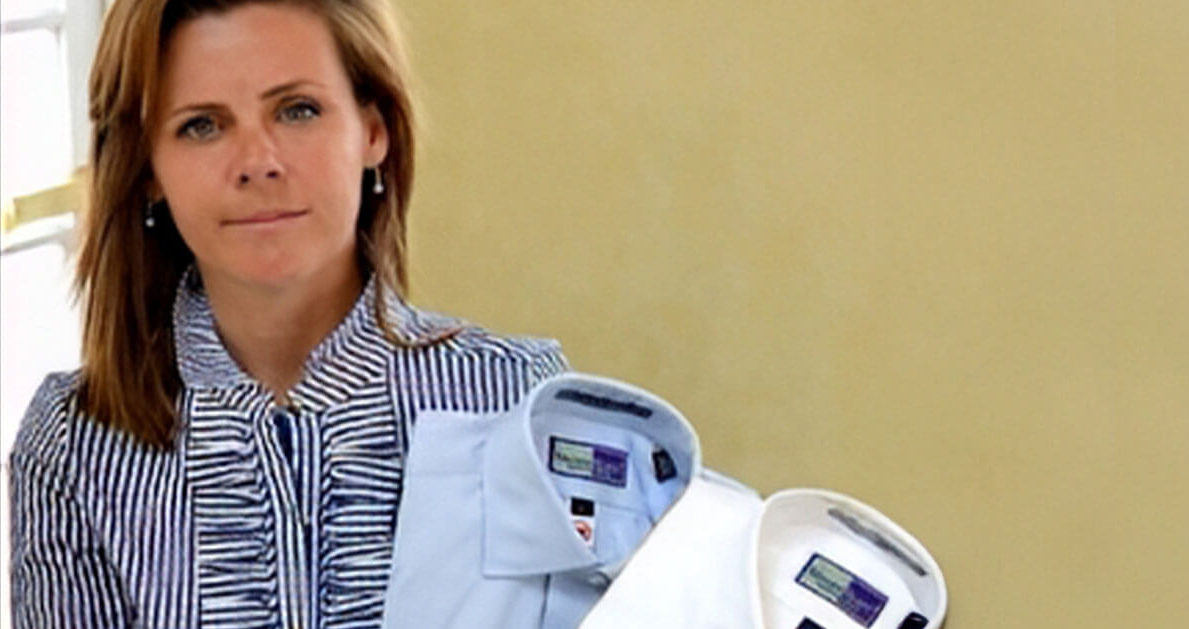
JenVon Cherry, 41, started a nonprofit organization to raise awareness about epilepsy among people of color and support those—like her—affected by the disease.
Last year, the Epilepsy Foundation invited me to participate as a board member for its community engagement initiative in South Carolina. My advocacy has its roots in a painful incident that occurred when I was in kindergarten. I grew up on Bolling Air Force Base in Washington, D.C., with my parents and younger brother. In February 1989, a boy in my kindergarten class stabbed me in the eye with a pencil. I pulled out the pencil, and the teacher took me to the nurse, who put gauze over my eye.
Neither the teacher nor the nurse contacted my parents. After I stepped off the bus at the end of the day, my mother rushed me to the hospital on the base, where I received 12 stitches under my left eyebrow. The doctors didn't order a CT scan or perform any testing to see if the pencil caused any internal damage.
Two weeks later, I had a tonic-clonic seizure [which involves muscle contractions and a loss of consciousness] in our living room. My mom called 911. At the Walter Reed Medical Center, doctors in the emergency department found a broken piece of pencil lodged in the left side of my brain. I had emergency surgery to remove the piece. I didn't lose vision in that eye, but shortly thereafter I was diagnosed with epilepsy and stayed home for most of the rest of the school year.
My return to school that fall was difficult. I was held back a year because I had missed so much time in class. My hair, which had been shaved for surgery, was really short, and kids teased me and called me names. The medications at the time—phenytoin (Dilantin) and phenobarbital—didn't control my seizures. With a lot of encouragement from my family, I tried to lead as normal a life as possible as I grew up. I remained active in sports and was on the cheerleading squad in high school and college.
Read More
Epilepsy Advocates Work to Make Schools Seizure Safe
During college, I began having seizures three to four times a month. Still, I graduated with a degree in communications, with the hope of becoming a radio broadcaster. When that didn't work out, I pursued a career in education and worked as an administrator at several colleges in Atlanta, GA, and Charleston, SC.
In 2022, I began having memory and cognitive problems and frequently slurred my words. After a series of tests, doctors confirmed that my cognitive function had declined significantly. My neuropsychologist recommended that I leave my job and go on disability. Around that time, my doctor started me on a new medication that has reduced my seizures to only a few times a year.
Although it was a tough decision to stop working, it was the right one. It gave me time to focus on Epitome of Epilepsy, a nonprofit organization I established in June 2020 to fill a gap in education about epilepsy in Charleston's communities of color. Through walks, fundraisers, and other events, my friends and volunteers have helped create greater awareness about epilepsy in our area. We also worked with the mayor of North Charleston to have November 4 declared Epitome of Epilepsy Day in South Carolina. As a local board member for the Epilepsy Foundation, I participate in health fairs, panel discussions, and local educational events to reach even more people throughout the state.
My experience is proof that people with epilepsy can live full lives and move on from tragedy. —As told to Paul Wynn