A recent study published March 11, 2026, in Neurology®, found that college athletes who experienced three or more concussions may show subtle differences in brain health five years after graduation. It is important to note that the findings show an association and do not prove that concussions directly caused a negative impact on brain health.
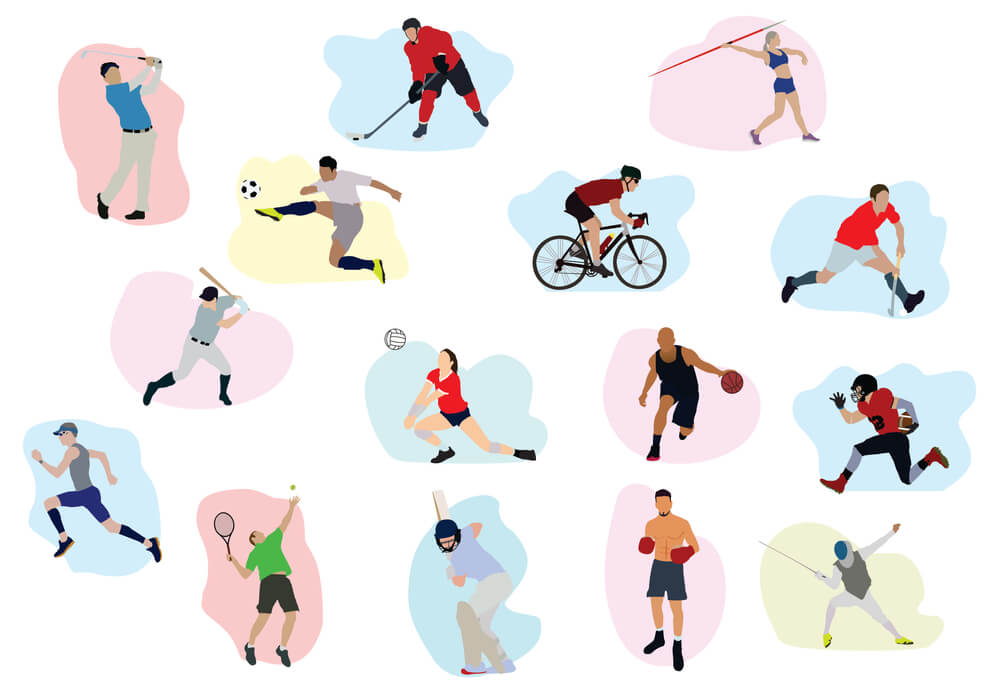
The study followed nearly 4,000 college athletes from 20 sports including football, soccer, volleyball, lacrosse, rowing, swimming, tennis, and golf. Almost half of the participants were women, and most competed at NCAA Division I schools. Athletes completed evaluations at the start of their college sports careers and again within five years after graduation. They reported concussion history and answered questions about symptoms and overall brain health.
The researchers found that athletes with three or more concussions had worse outcomes on measures related to anxiety, depression, sleep quality, psychological distress, and concussion symptoms compared to athletes who had no concussions. Athletes who had just one or two concussions also had worse scores than athletes who had no concussions, but their test results were slightly better than those with three or more concussions.
Although the differences between groups were small, the findings suggest that repeated concussions can be associated with a decline in brain health. The study points to the importance of concussion prevention.
Study author Steven Broglio, PhD, associate dean at the University of Michigan Concussion Center, notes, “The study participants are still young adults in their 20s, so we don’t know if or how these effects might change throughout their lives.” One additional limitation is that 76 percent of participants were White, so the results may not be the same for people of other races and ethnicities.
Overall, the findings are reassuring. Most athletes with multiple concussions remained within normal ranges on measures of good brain health.
What Are Symptoms of a Concussion?
Symptoms of a concussion can be subtle and may not occur right away. Physical symptoms may include:
- Headache
- Dizziness
- Slurred speech
- Confusion
- Nausea
- Vomiting
- Delayed response to questions
Most people recover within one to two weeks, but some symptoms like memory problems, ongoing headaches, and behavioral changes, may last for weeks to months after a concussion.
It’s best to make a doctor’s appointment one to two days after a head injury, even if you are not experiencing severe symptoms or need emergency care.
Related Resources