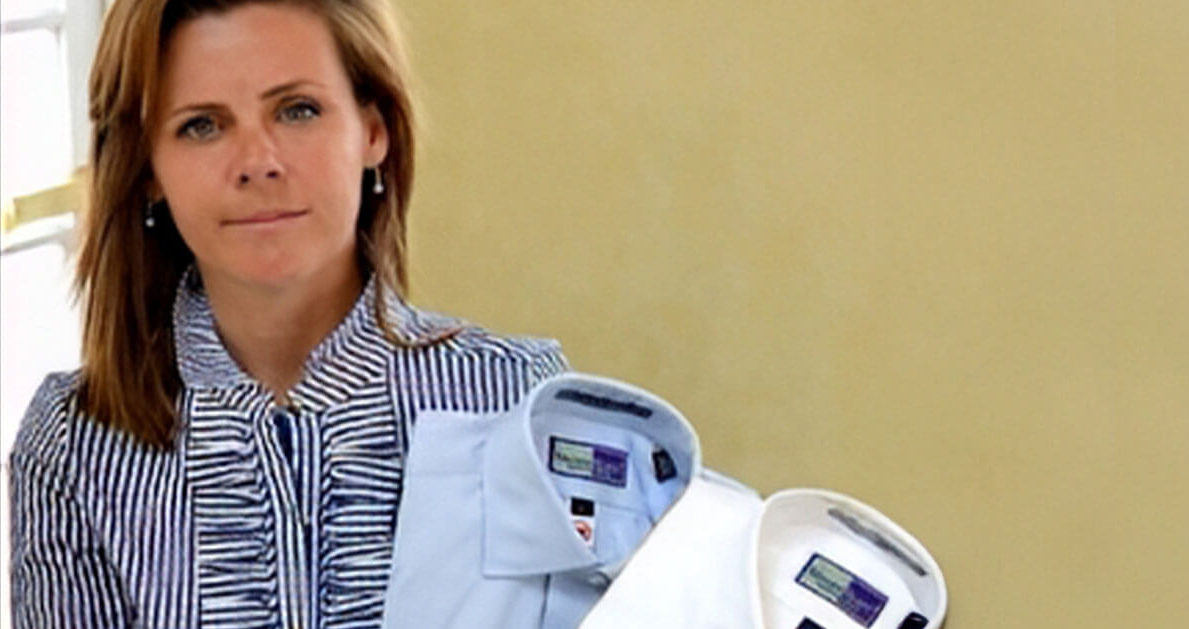
Jenn McNary, 42, who has two sons with Duchenne muscular dystrophy, works to encourage drug development for uncommon conditions.
In 2003, my two oldest sons—Austin and Max—were diagnosed with Duchenne muscular dystrophy (DMD), a neurologic disorder that causes progressive weakness and loss of muscle function. Without intervention, DMD destroys the ability to walk and eventually to breathe.
By the time he was 10, Austin was using a wheelchair full-time. When Max turned 8, he was still walking independently, which qualified him to enter a clinical trial to test a drug called eteplirsen (Exondys 51). (Austin was ineligible because he could not walk for six minutes, a primary measure of the study.)
The drug, which Max received for free through the trial and long-term follow-up, stabilized his symptoms and improved his stamina. He continued to walk until he was almost 18, which is about four years beyond the average progression of the disease.
In 2015, I joined the Jett Foundation, a nonprofit organization dedicated to helping families affected by DMD. As director of outreach and advocacy, I was responsible for coordinating advocates, families, clinicians, and researchers to speak at an advisory committee hearing of the U.S. Food and Drug Administration (FDA) to review the application for eteplirsen. During that meeting, an FDA official called me and a group of parents who had worked to create a faster approval process for DMD therapies “fierce moms,” and the description stuck. Subsequent engagement with top FDA officials led to the agency's approval of the drug, which was the first treatment for DMD. Since then, three additional medications have been approved.
I recently established a consulting company called Canary Advisors, which works with nonprofit patient organizations and pharmaceutical companies to understand what matters most to patients in terms of the risks and benefits of new drugs.
My focus isn't solely on getting drugs approved. Around the time Austin and Max were aging out of summer camps and social services, we started One Rare, a foundation that provides recreational and educational activities that foster independence in young adults living with rare diseases as they transition to adulthood. The organization—which is run by Austin, Max, and James, my 15-year-old son, who has primary immunodeficiency disorder—leads camping expeditions, adaptive kayaking and ski trips, and many virtual events for 18- to 35-year-olds living with rare diseases.
Austin, now 24, and Max, 21, are both in college, studying mechanical engineering and marketing, respectively.
My family and I continue our commitment to helping people with rare diseases face their challenges and live their fullest lives possible. — As told to Paul Wynn