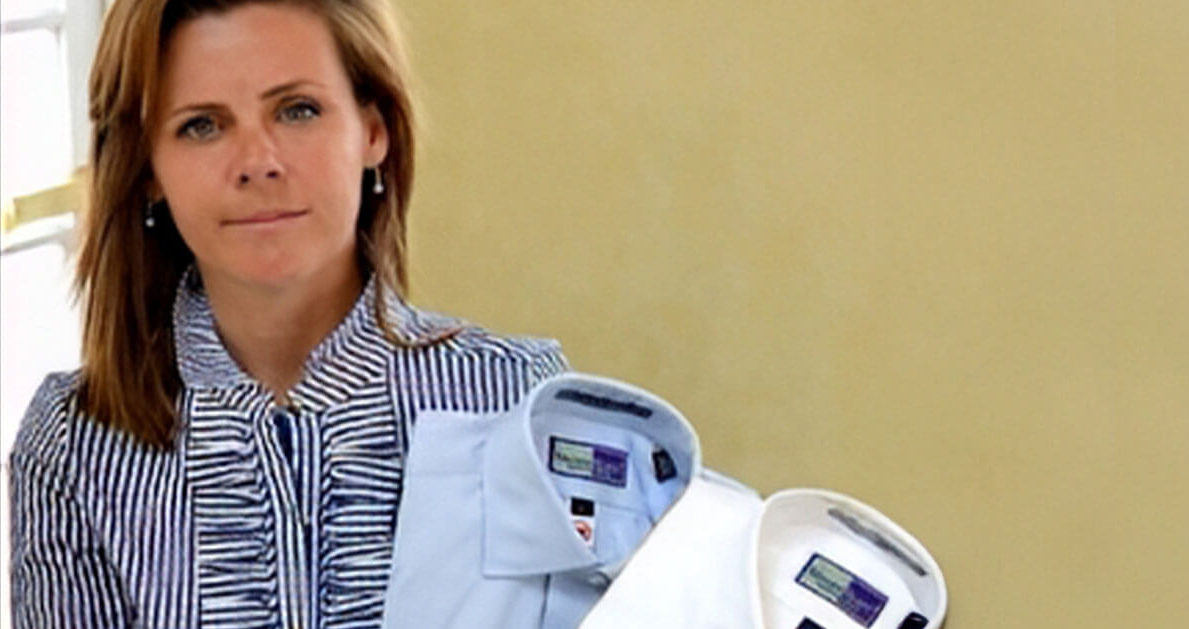
Cathy Race, 53, talks to Brain & Life about how a mild case of cerebral palsy in childhood has worsened as she has aged.
Throughout my childhood, my motor skills and physical abilities were pretty good for someone who was diagnosed with cerebral palsy at age 2. If you didn't notice my slight limp and poor balance, you'd never know I had the condition. I was never treated differently at home or school. I had weekly physical therapy sessions, received heel cord lengthening, and once a year visited a specialist. When I turned 18, insurance coverage for those services ended, but I was healthy and never worried about the disease.
I went on to raise two daughters and work as a deputy county clerk in my twenties and thirties. I later became a part-time real estate agent and was a three-term mayor of my hometown, Herman, NY. My life was busy and rewarding. Then, when I was in my early forties, my balance worsened, and my leg muscles felt constantly clenched. I started getting backaches and had trouble with my memory. Many nights I couldn't sleep because of severe and painful leg spasms. Initially I blamed it on my busy life and sitting too much at work.
I decided to give up my real estate job to concentrate on caring for myself. I got more rest, stretched my legs frequently, started yoga and meditation, and bought a recumbent bike. My mobility improved noticeably, but my back pain did not. I started going to physical therapy two to three times a week, which eased the pain and leg tightness. I also found a new doctor. I eventually was diagnosed with disc disease in my neck and underwent surgery. By then, the pain was so overwhelming I couldn't sit at a desk and had to retire on disability.
What was once a fairly benign case of cerebral palsy is now a disabling condition. I'm only 53, but when the pain flares and my mobility decreases, I feel much older. My legs continue to be tight, and I have tendinitis in my wrists, knees, and shoulders. To manage my pain, I receive injections in my back every three months, but the relief usually fades within a month.
Fortunately, the love of my husband, daughters, and six grandchildren lift me up on even my worst days. Participating in online support groups also helps.
I hope that children who have been recently diagnosed with cerebral palsy will have new treatment options by the time they enter their fifties, so the condition remains an afterthought in their lives.
Editor's note: Ongoing research suggests that some forms of cerebral palsy may be genetic— which may have implications for other family members—and can progress and show other symptoms, often later in life.