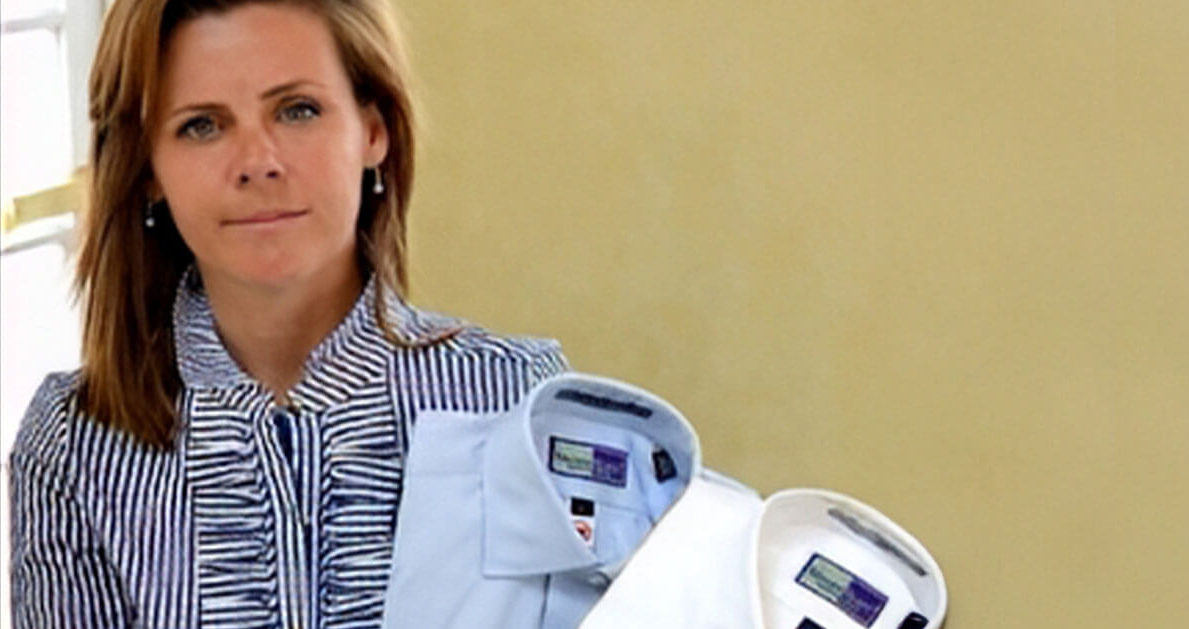
Rebecca Chopp, 72, a former university president, wrote a memoir about finding happiness after being diagnosed with Alzheimer's disease.
My mother and both my grandmothers died of Alzheimer's disease. After Grandma Mac was diagnosed, she would forget to put out her lit cigarettes or to turn off the gas stove. My mother showed signs of the disease in her sixties but wasn't diagnosed until her early seventies and died at 79.
I thought I was doing everything right to avoid the disease. I ate healthy foods, exercised regularly, and remained mentally stimulated. So I was shocked when I was diagnosed at age 67. At the time, I was chancellor at the University of Denver, in the middle of a major curriculum transformation. Previously, I had been president at Swarthmore College in Pennsylvania and at Colgate University in upstate New York.
In 2019, I got lost on the way to my doctor's office for a routine physical checkup. When I shared the news with my doctor, he recommended a standard memory test. Both of us were surprised that I didn't pass. I was then referred to a neurologist. Six months of testing, including an MRI and a PET scan, confirmed the diagnosis. I stepped down from my role as chancellor within several weeks but chose not to go public with my diagnosis at the time because of stigma attached to the disease.
Three years later, I started writing a memoir about my experience with the condition. My book, Still Me: Accepting Alzheimer's Without Losing Yourself, was published by the Morgridge Family Foundation in February 2024. In it, I talk about a neurologist who encouraged me to find pleasure in my life. He urged me to stay physically and mentally active, socialize more, and pursue a new purpose. I've learned that no path of disease progression is predictable or like any other.
Certainly, life has changed in many ways. I'm less independent since I gave up driving. I rely more on my husband, Fred, and my son, Nate, who lives near us in Broomfield, CO. I have much less energy and tire easily. I take donepezil (Aricept) and am considering participating in a clinical study to help advance research.
My diet is even healthier than before I was diagnosed. I eat tons of berries, salads, vegetables, walnuts, salmon, mackerel, anchovies, and sardines. I occasionally eat chicken or dairy, but I avoid red meat and processed foods.
I now have a puppy, and taking my mini husky—one of the most active dogs—for walks is one way I keep physically active. I also enjoy riding my bike, and I have discovered a passion for painting. I've joined three national boards for Alzheimer's foundations, which allows me to address misperceptions.
I have more time with family and friends and more time to give back to the Alzheimer's community. It hasn't been easy, but I have worked hard to live well and happily despite my diagnosis. —As told to Paul Wynn