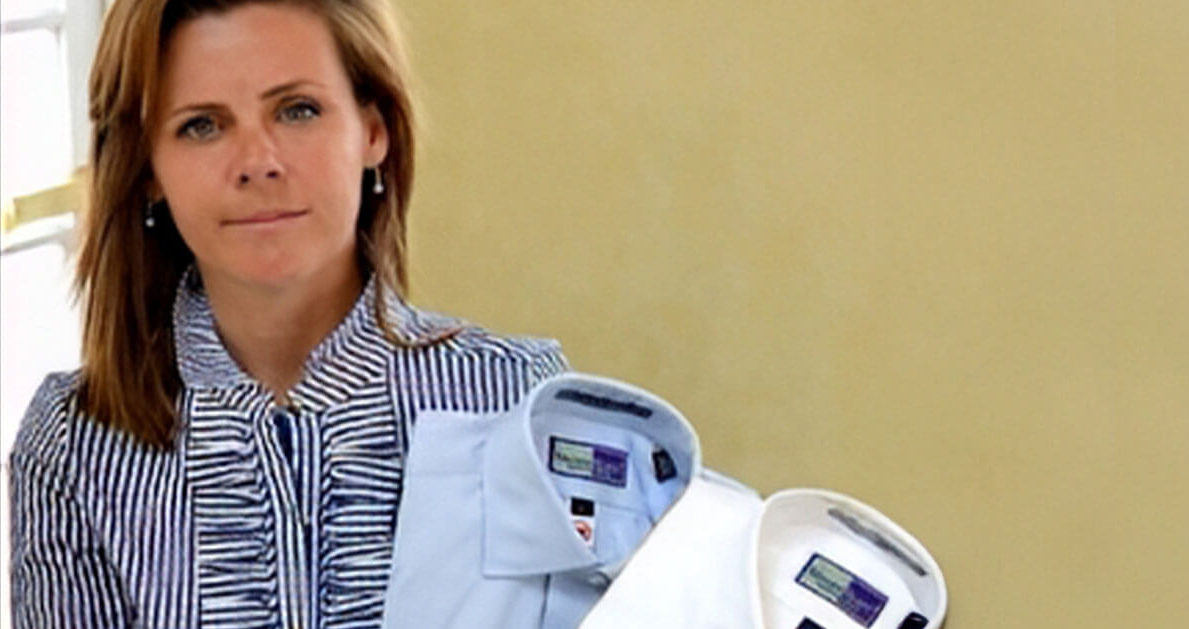
Christina Coates, 46, formed a patient organization after she was diagnosed with hypertrophic olivary degeneration.
My first reaction to being diagnosed a year ago with a rare brain condition was shock. Looking back, though, I can recall episodes in my youth that were probably early signs of hypertrophic olivary degeneration (HOD), a disease caused by degeneration in the brain stem. Symptoms include poor balance, problems with gait, headaches, and cognitive difficulties.
In high school in Gilbert, AZ, I remember having near-constant head pain and headaches. When I was 19, I had a debilitating migraine that lasted 24 hours and caused vomiting and extreme sensitivity to light. I was so weak I could barely get off the floor. Three years later, after a series of migraine attacks, I saw a doctor for the first time and had an MRI. The results showed a healthy, normal brain.
Over the next two decades, the head pain eased, and I focused on raising my daughter and working full-time as an accountant. In 2017, the migraine attacks returned; I had one almost every day. My general practitioner referred me to a neurologist, who diagnosed me with a cavernous malformation—clusters of abnormal small blood vessels and bigger, thin-walled vessels that tend to leak blood and cause brain hemorrhages.
My doctors continued to monitor my condition, but during the next three years, the malformation grew and my headaches worsened. Finally, in February 2021, I underwent a five-hour operation in which the cavernous malformation was removed and the hole was covered with a titanium plate. Afterward, I had to relearn how to walk, regain my balance, and even learn how to drive again. Six weeks after surgery, I suddenly began to experience double vision and numbness in parts of my body. After additional MRIs and other follow-up tests, I was diagnosed with hypertrophic olivary degeneration (HOD).
Initially I felt helpless. I searched the internet for information and found very little. The neurologist who diagnosed me also had no additional information. [The condition is extremely rare, and currently there are no statistics on the rate of occurrence.] Then I discovered an online support group of about 150 people. We all had similar experiences of doctors and hospitals not knowing much about the disease. When our group consulted the National Organization for Rare Disorders, we were encouraged to establish an HOD patient organization.
For the first time since my diagnosis, my sense of hopelessness and helplessness began to lift. I already had been volunteering for the Angioma Alliance, a patient organization for people with cerebral cavernous malformation, so I knew that I could create something for the HOD community. When I polled the support group about creating a patient organization, I received a resounding yes.
With help from my two sisters and friends, I applied for and received 501(c)(3) status for a nonprofit organization and officially founded the Hypertrophic Olivary Degeneration Association. Several members from the Facebook group are helping raise funds, and so far we've brought in nearly $6,500. It's exciting to see people rallying around one another to cope with this devastating disease. By taking action, we are making things better for the next person diagnosed with HOD. —As told to Paul Wynn