Mona Bostick, a registered dietitian who works regularly with clients who have multiple sclerosis (MS), sometimes hears that the pain, fatigue, and cognitive problems of MS get in the way of preparing nutritious, balanced meals. Her advice for those clients is “Keep a list of meals on the refrigerator that don't require a recipe and that the kids can help put together.” Examples might be frozen portions of homemade soup or chili served with a side salad and berries. Or eating breakfast for dinner, like scrambled eggs with veggies and toast. “MS doesn't just cause tiredness and movement problems that interfere with preparing and eating meals,” says Bostick, a certified MS specialist in Greensboro, NC. “It also can affect cognitive functioning, so following the steps of a recipe can be difficult.”
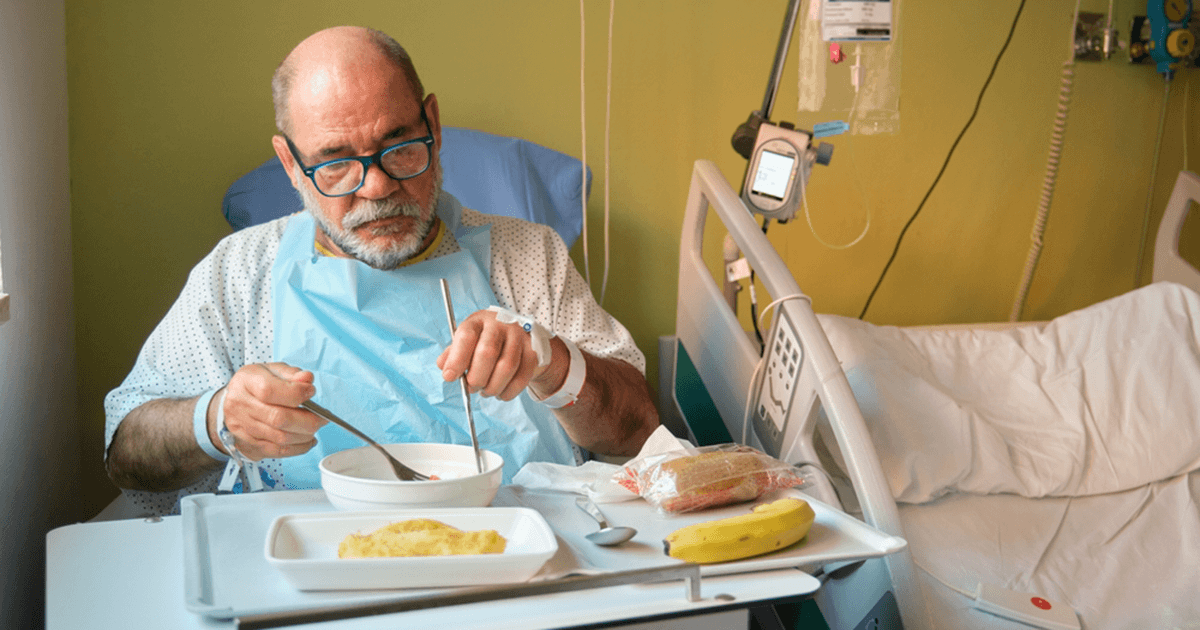
Nutritional deficiencies in the diets of people with neurologic conditions such as MS, Parkinson's disease, stroke, ALS, and dementia are common, says Irene Malaty, MD, FAAN, endowed professor of neurology at the University of Florida's Norman Fixel Institute for Neurological Diseases in Gainesville. “This can contribute to weakness, fatigue, weight and muscle loss, frailty, loss of mobility, inability to exercise, and a higher risk for falls and fractures,” she says.
More than half of people with Parkinson's disease, 45 percent of stroke survivors, and 33 percent of those with MS are at risk for malnutrition, according to a review by German researchers published in Frontiers in Aging Neuroscience in March 2018. Among older adults, the risk of malnutrition is 10 percent higher in those with dementia than in those without it.
“Malnutrition is an important issue, but physicians and even neurologists don't always take the lead in addressing it with their patients,” says Bruce Solomon, DO, clinical assistant professor in the department of neurology at the University of Florida College of Medicine.
The risk of malnutrition increases for people whose neurologic conditions may cause tremors, poor coordination, slow movements, swallowing problems, too much saliva, constipation, dulled appetites, drug side effects, or food-drug interactions. All those factors make it harder to prepare and eat nutritious food. Depression and anxiety, symptoms of many neurologic conditions, also can make food preparation seem daunting, Dr. Solomon says. And studies have shown that people with Parkinson's disease and ALS may need more calories than others, since their bodies burn extra energy in involuntary muscle movements.
With those risks, it's crucial to talk to your doctor about your eating habits, Dr. Malaty says. “If you unintentionally lose 5 percent or more of your body weight [eight pounds if you weigh 160] in a short period of time, such as a month,” discuss it with your neurologist, Dr. Solomon says. Be sure to mention other factors like avoiding meals, coughing or choking while eating or drinking, feeling bloated, or experiencing digestive system discomfort or constipation that makes eating enough food difficult, says Dr. Malaty. “If you have Parkinson's disease and are avoiding protein so it doesn't interfere with the effectiveness of levodopa (Sinemet), ask your doctor to help you find a solution,” she adds. Sometimes simply adjusting the timing of your meals can make a big difference, Dr. Malaty says.
While food is no substitute for medications and other treatments for neurologic disorders, a good diet will keep you healthier, Dr. Solomon says. It also will help you feel less tired, more energized, and stronger; ease constipation; and make it easier to prevent or manage high blood sugar, high blood pressure, and high cholesterol.
To keep malnutrition at bay, consider these suggestions from our experts, three of whom are registered dietitians who work with people with neurologic conditions.
Drink water. You may skimp on water without realizing it if your sense of thirst is diminished because of Parkinson's disease or age, or on purpose if you're concerned about incontinence, says Carley Rusch, MS, RDN, LDN, a neurology dietitian at the Norman Fixel Institute in Gainesville, FL. Sip water throughout the day rather than guzzling a big glass. If you have trouble swallowing water (or food), get a referral to a speech pathologist, who can teach you swallowing techniques and assess whether adding a thickener to beverages could make swallowing easier.
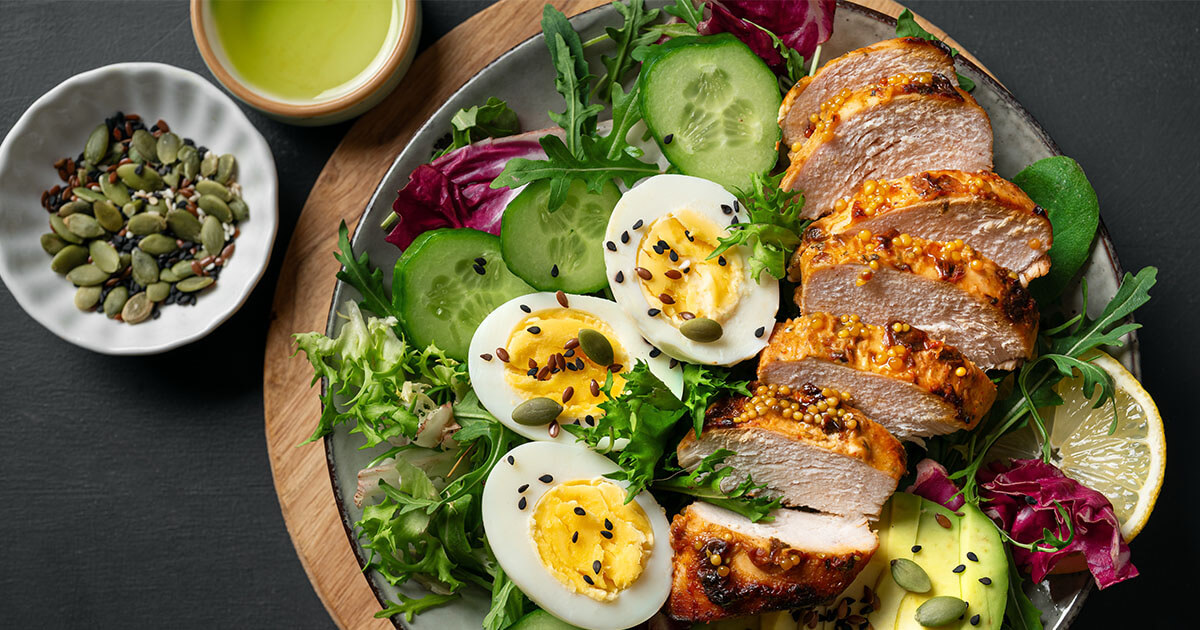
Consider the Mediterranean diet. This eating style includes fruits, vegetables, whole grains, lean protein, and good fats and is low in added sugars, refined grains, saturated fat, and alcohol. It also “has the most evidence for good health in MS, Parkinson's disease, cognitive disorders, and other neurologic conditions,” says Dr. Malaty. Good fats, like omega-3 fatty acids from fish (such as salmon and sardines), walnuts, and flaxseed, may help protect against cognitive decline, according to a study in Neurology in March 2023.
Pack in the produce. Eating plenty of fruits and vegetables is associated with better functioning in ALS, a lower MS relapse rate, and possibly a slower progression of Parkinson's disease, research suggests. “Get a variety of fruits and vegetables by eating the rainbow,” says Rusch. “Instead of having broccoli every night, try different vegetables such as red or green peppers, purple cabbage, or cauliflower.” The bonus: Plant foods also can help prevent and manage high blood sugar, high blood pressure, and high cholesterol, and their soluble and insoluble fiber promotes regularity.
Boost aroma and flavor. Many neurologic conditions can cause a loss of sense of smell and/or taste, says Steve Dupont, MS, RD, LD, a clinical dietitian at the University of Alabama Birmingham Hospital. Using herbs, spices, and the flavors of foods from a variety of cultures can help, he says, as can adding sauces and gravies.
Eat small meals more frequently. If you can't finish a full meal, split it up and spread it out through the day, Rusch suggests.
Add extra nutrients and healthy fats. “If you're losing weight without trying, add ingredients that are high in nutrients and calories,” Rusch says. Tuck avocado slices into your sandwich, add olive oil to soups and stews, and snack on nuts.
Have backup meals ready. On days when you don't feel physically or mentally up to making dinner, fall back on easy, healthy, no-recipe-needed meals, says Bostick. Freeze individual or family-size quantities of your favorite soups, stews, casseroles, or chili. Add a green salad or easy-to-steam frozen veggies and whole grain bread. “Make these meals even before you do your weekly meal planning,” Bostick says. “Talk with your spouse and kids so that everyone likes what's on the menu. Choose meals and foods that children can help prepare. And keep a list of meals, with all their parts, on the fridge.” Bostick recommends having three to five of these types of meals ready to go, including breakfast for dinner, such as scrambled eggs or French toast with veggies or fruit and yogurt on the side, as well as options like quesadillas with cheese, veggies, and meat or beans.
Work with specialists. A registered dietitian or certified nutritionist can assess your diet, identify nutrient gaps, and suggest foods and strategies to address them that fit with your food-prep abilities, tastes, and budget, says Bostick. A speech-language pathologist can assess swallowing problems and suggest solutions, Dupont says. And an occupational therapist can help with strategies if you have tremors, weakness, or other physical problems that make it challenging to use utensils, lift a cup, or prepare meals.
Discuss diets and supplements with your doctor or nutritionist. No special diets have been proven to help Parkinson's, MS, or most other neurologic conditions, Dr. Malaty says. And some diets may lack variety and key nutrients, which can cause deficiencies. Before starting any diet or taking any supplements, talk to your doctor, says Dr. Malaty. “Supplements can interact with your medications and impact absorption,” she says.
Read More