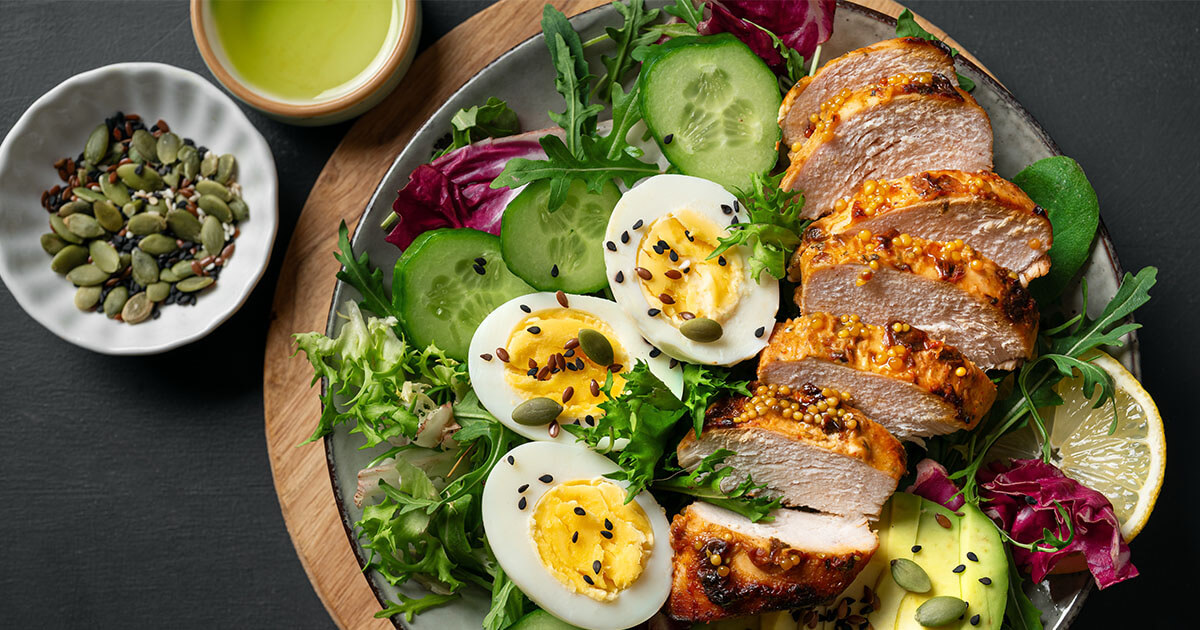
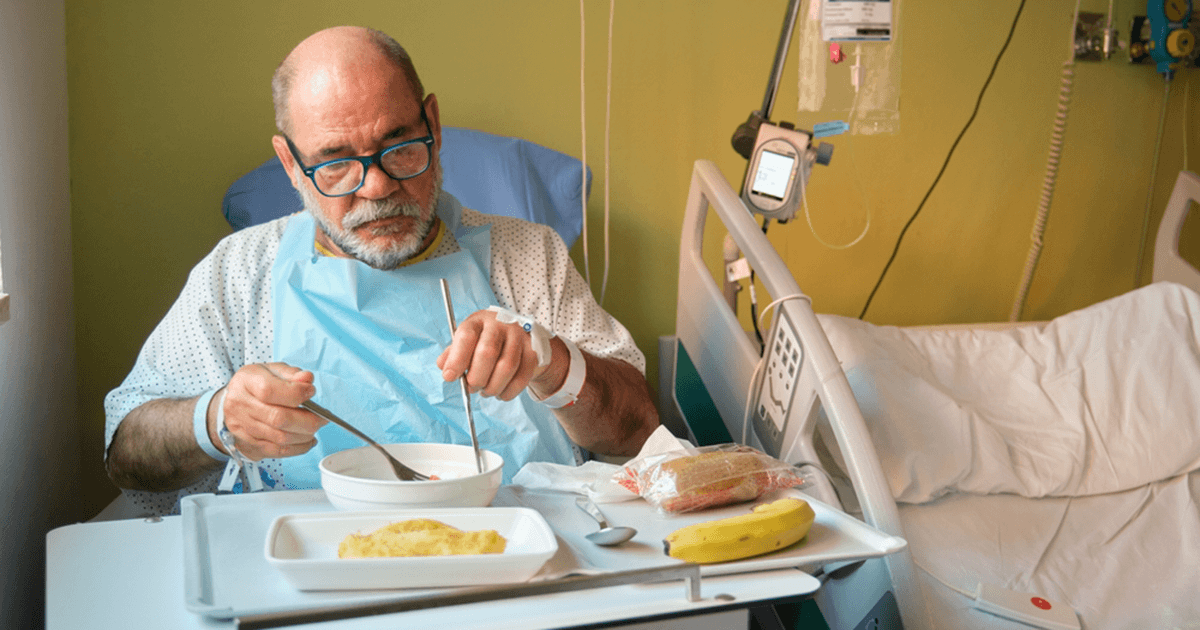
Every day for breakfast, Adrienne Dove, 43, has a bowl of kiwis, watermelon, strawberries, or oranges. This is a far cry from her breakfast three months ago, which included six or seven pieces of bacon, three eggs, and a cup of grits. It's a menu, she says, that left her tired all the time, made it hard to budge the number on the scale lower than 310, and kept her blood pressure elevated. Those old eating habits, which contributed to her obesity and high blood pressure, put her at risk for diabetes, stroke, and heart disease.
To help Dove modify her diet, her doctor began prescribing $40 worth of fruits and vegetables every week. Dove's doctor participates in the DC Greens Produce Rx Program, an initiative started earlier this year in a low-income area of southeast Washington, DC. In Dove's case, the prescription has been life-altering. "I feel more energetic, and my digestion has improved," she says. Even better, she's lost 50 pounds and her blood pressure has gone from a high of 190/100 to 118/70—changes that reduce her risk for stroke and diabetes. She's also taking a lower dose of blood pressure medication.
Dove's improved health should be no surprise. "We know that a healthy diet is one of the most important ways to prevent chronic diseases like diabetes, cardiovascular disease, and cancer," says Hilary Seligman, MD, associate professor of medicine at the University of California San Francisco (UCSF), and founder of a similar program in that city called Vouchers 4 Veggies Eat SF. "Vouchers for fruits and vegetables help level the playing field, ensuring that people have access to healthy foods regardless of income," Dr. Seligman says. The free program—which delivers produce to locations convenient to where eligible patients shop—works, says executive director Cissie Bonini, MPA, because "folks listen to their doctors when it comes to food."
For her patients with high blood pressure, Kimberly Gannon, MD, PhD, stroke director with Christiana Care Neurology Specialists, recommends the Mediterranean or DASH (Dietary Approaches to Stop Hypertension) diet, both of which include lots of produce. Diets that are good for the heart are also good for the brain. A 2018 study in Neurology found that eating one serving of leafy green vegetables every day was linked to a slower decline in brain function. An earlier study, also in Neurology, that followed 17,000 people from 2003 to 2007 found that those who followed the Mediterranean diet most closely reduced their risk of memory problems by 19 percent. Since some patients don't have access to healthy food, programs like DC Greens may help them eat right, says Dr. Gannon.
In Dove's neighborhood, which has one of the highest levels of obesity and diabetes in the city, DC Greens is available for adult patients diagnosed with high blood pressure, diabetes, or prediabetes, and includes free weekly coupons for produce at Giant Food, a local grocery store that partners with the program. "Participants are identified by their physicians, and the prescription is sent over to the Giant Food pharmacy," says Jillian Griffith, MPH, RD, who provides nutrition counseling as part of Giant Food's health and wellness program. "Participants must go back to their doctor every three months to renew the prescription, so there is a continuation of care."
Programs like DC Greens and Vouchers 4 Veggies have popped up in other areas of the country. For example, Produce Rx has a produce stand at Wilmington Hospital in Wilmington, DE, and in areas around the city where fruits and vegetables are not readily available. Most of the participants are low-income single mothers and people with diabetes or high blood pressure, says Erin Booker, corporate director of behavioral health at ChristianaCare.
In Forest Grove, OR, Adelante Mujeres aims to reduce the risk of heart disease and stroke, diabetes, and Alzheimer's among low-income Latina immigrant women and children, especially those at risk for diet-related diseases. The program provides vouchers for produce and cooking workshops.
The Food as Medicine Collaborative in San Francisco maintains food pharmacies in 18 health clinics throughout the city that fill prescriptions for fresh fruits and vegetables. Established in 2013, the collaborative serves 13,000 low-income patients, primarily African Americans with high blood pressure, says Rita Nguyen, MD, assistant clinical professor of medicine at UCSF and assistant health officer and chronic disease physician specialist with the San Francisco Department of Public Health, which is part of the collaborative.
Preliminary studies on the health outcomes of these produce voucher programs are promising. A small study published in Public Health Nutrition in 2016 found that people using Veggie Rx vouchers in Albany, NY, had a mean drop in body mass index of 1.6 pounds (.74 kilograms) after an average of 18 months. A 2017 report on the Adelante Mujeres project said participants reported learning how to eat healthier, requiring less medication, and needing to see their doctor less often. Since its inception in 2013, the Food as Medicine Collaborative has collected data and run analyses about its services. "We have seen a trend toward decreased blood pressure among our patients," says Dr. Nguyen.
To help patients learn to cook with fruits and vegetables, many of the programs offer nutrition classes, free consultations with dietitians, and cooking workshops. As part of DC Greens, Jillian Griffith works with community partners to present fitness programming and cooking demonstrations. The Food as Medicine Collaborative features cooking instruction, recipe sharing, and nutritional counseling by registered dietitians, says Dr. Nguyen.
Response to these programs has been overwhelmingly positive, says Cissie Bonini of Vouchers 4 Veggies. "I feel like there is a misconception that people don't want to eat healthy. But they do, and the free vouchers allow them to do that." Bonini says her organization's clients report such health benefits as improved mood and an end to constipation. "Even after our clients no longer receive vouchers, 50 percent of them continue to eat more fruits and vegetables."
Program costs are subsidized by private, local, or state grants and through research institutions and community-based organizations. The Agriculture Improvement Act of 2018 provides up to $5 million of additional appropriations for these pilot programs for fiscal years 2019-2023.
Adrienne Dove, for one, hopes the funding continues. Ever since her first prescription for produce through DC Greens, she's been telling many friends and her family, "You should want to live healthy."
Find a Food Program near You
Fair Food Network: fairfoodnetwork.org; 734-213-3999
Based in Michigan, this initiative has a national Double Up Food Bucks program that doubles the value of federal Supplemental Nutrition Assistance Program (SNAP, or food stamps) benefits at farmers' markets and grocery stores.
Wholesome Wave: wholesomewave.org; 203-226-1112
This national organization can help people start a produce prescription program in their own area. Contact them for a tool kit that includes fundraising strategies and step-by-step instructions.