One late evening, when my first son, Joe, was 6 months old, he spiked a fever of 104, his eyes rolled back, and he began to have a seizure. Confused and panicked, I called 911. The seizure had stopped by the time the emergency medical technicians [EMTs] arrived. They said it was probably a febrile seizure brought on by the high fever and told me to call our pediatrician.
Our doctor confirmed what the EMTs had told us and assured us that febrile seizures were not uncommon in infancy. We were instructed to use Tylenol and a lukewarm bath to bring the fever down. Two months later, our son had another seizure. After an electroencephalogram, Joe was diagnosed with epilepsy. He was prescribed phenobarbital—the standard at the time—and so began our roller-coaster ride with medications.
Over the next 18 years, Joe tried eight different medications, each one with its own set of side effects. He was often tired, dizzy, depressed, and uncoordinated. He had frequent headaches. The medications messed with his thinking, and one even made him angry.
He hit his head so often we lost count. If he didn't get enough sleep, he'd have a seizure. If he was stressed about school, he'd have one. But somehow, over time, Joe persevered. He grew to accept the side effects. He knew he needed the medications that controlled most of his seizures.
He took an antidepressant to combat his low moods. He channeled his anger through long-distance running and meditated to minimize stress. He read voraciously to learn about life, success, and self-management.
In school, he would sometimes zone out in class, becoming glassy-eyed and nonresponsive. The neurologist called them absence seizures (short lapses in awareness). Joe wasn't slow; he was just missing information. When he was a teenager, he felt left out as he watched his friends learn to drive. He knew having a seizure on the road was a deadly risk, but it didn't soften the blow. He adapted by bumming rides and walking long distances when he couldn't get one. He used the time to sort out his feelings.
When Joe turned 17, he began a new medicine, and his seizures abated. Encouraged, he bought a car and, after graduating from high school, moved out. His decisions, and consequences, were now his own.
Life got rougher. Joe crashed his car swerving to avoid a dog and resumed walking. Then he went six days without his medications and had no seizures. Thinking he had outgrown them, he didn't refill his prescription. Days later he had a seizure that threw him off his upper bunk and onto the hard floor. He woke up in the emergency room, bruised, with the worst headache ever. But his shift at a grocery store was starting soon. So he checked himself out of the hospital, filled his prescription, and went to work.
After that scary seizure and in the ensuing years, Joe started and stopped college and bounced from job to job. Eventually, he returned to college to work toward a bachelor's degree. In his late twenties, Joe underwent vagus nerve stimulation, which uses an implantable device that sends electrical signals to the vagus nerve to reduce seizures. For the first time, Joe was seizure-free, needed less medication, and experienced fewer side effects. He also was less depressed.
He began driving again. He ate well, exercised daily, and avoided alcohol. In the next six years, he had just one breakthrough seizure, likely due to lack of sleep. Now Joe is again seizure-free and has a solid job, a nice home, a steady girlfriend, and a nearly completed degree. A simple philosophy motivates him: Don't quit.
Epilepsy keeps Joe on the edge, but it hasn't conquered him. His difficulties and setbacks have not won. Instead, adversity has taught him patience and persistence.
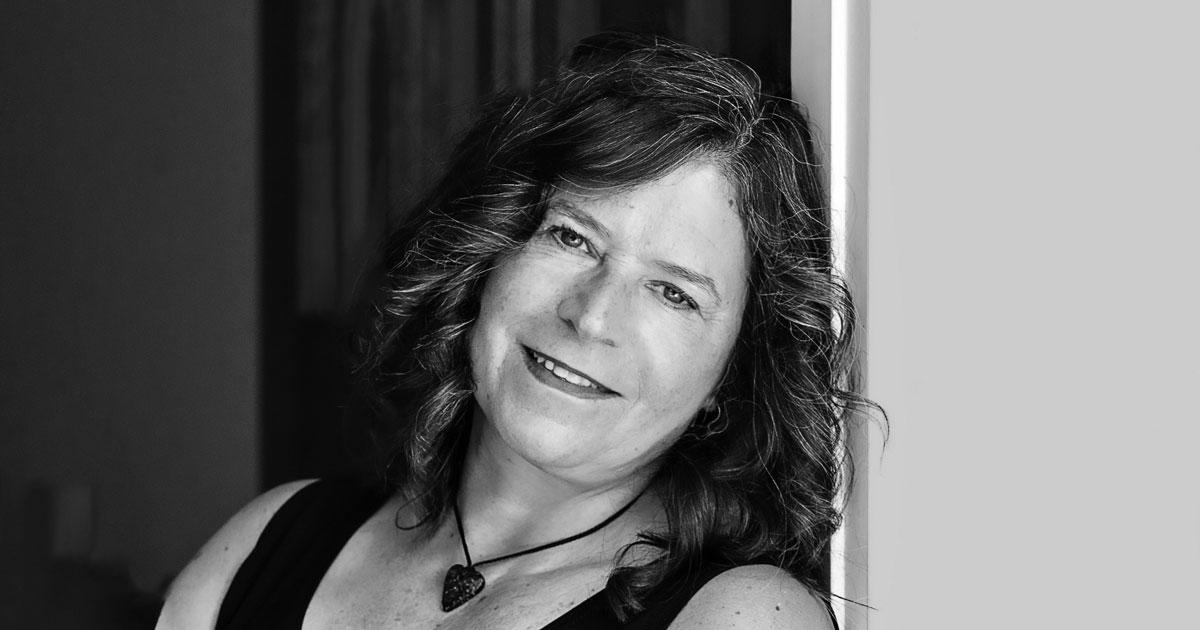
Diane Mabeley is a freelance medical writer in McKinney, TX, where she lives with her husband and ragdoll cat. In her free time, she crochets, racewalks, reads, and spends time with her five grown children.