Occasional headaches have been a part of my life, but the one I experienced on a cold November night in 2016 was unlike anything I'd ever felt before. The pain was so intense I knew I needed medical help as soon as possible. In the emergency department, a doctor told me it was a brain bleed. Hours later, a neurosurgeon drilled two half-inch burr holes through my skull at the hairline, then inserted a tube in each hole to relieve the pressure on my brain.
I spent the next three weeks attached to tubes and wires in a critical care unit. My head was shaved and bandaged from forehead to crown. In the early stages of healing, I floated in and out of awareness as family, friends, neighbors, and colleagues sat with me. Once my condition stabilized, I worked with a speech therapist, who helped me regain my speech. A physical therapist and an occupational therapist assessed me, and neither detected paralysis or other disabilities. My loved ones brought food, read to me, walked with me, and continued to sit with me in an outpouring of love I hadn't known existed.
The day I was discharged, I was told by the surgeon, therapists, and others that I had no deficits. I knew this was good news, since many people don't survive a brain bleed, and those who do often face varying degrees of paralysis or speech impairment. But I still didn't understand how dire my circumstances had been, so the news didn't register.
During the following months, I became emotionally volatile. I cried more than ever. I expressed myself directly, sometimes too directly, with a mild erasure of social filters that bewildered me and shocked others. I could be argumentative and angry. Music, crowds, and complicated conversations created prolonged static in my head, like an analog TV with a weak signal. I was tired in a way I'd never been before.
Over time, I learned to live with the downsides because the upsides outweighed them. The brain bleed had been a “practice death,” and my fear of dying disappeared. With a new sense of perspective and clarity, I was more present, patient, and grateful. I dropped my old habit of trying to do everything and focused on what truly mattered to me. I laughed more easily and loved more tenderly.
I was, however, self-conscious about the scars on my forehead. When I left the hospital, the hair on my shaved head had begun to grow back, but the two burr holes and prickly rows of stitches that reminded me of caterpillars were plain to see. I wore hats at first but got pressure headaches from all except the softest and loosest. I tried headbands and scarves of varying widths and fabric—more headaches and not my style. I considered keeping my head shaved and getting tattoos and piercings for elaborate jewelry, but that wasn't my style either.
Eventually my hair grew back enough that the divots and scars weren't quite as visible. At a follow-up appointment two years after my brain bleed, the neurosurgeon showed me the latest CT scans, looked at me kindly, and asked, “Do you want surgery to repair the burr holes?”
I knew I looked a little funny, and that people wondered about those weird scars and dents in my forehead. Repairing them would be an elective surgery, and I am averse to that type of operation. But more than that, these scars and divots remind me of how fortunate and loved I am. Yes, I still have headaches that sneak up on me, and my decision-making process is slower, but I'm more content than I ever thought possible.
The neurosurgeon waited quietly for an answer to his question. “No, I don't,” I replied. I want to slide my fingers over my forehead and remember.
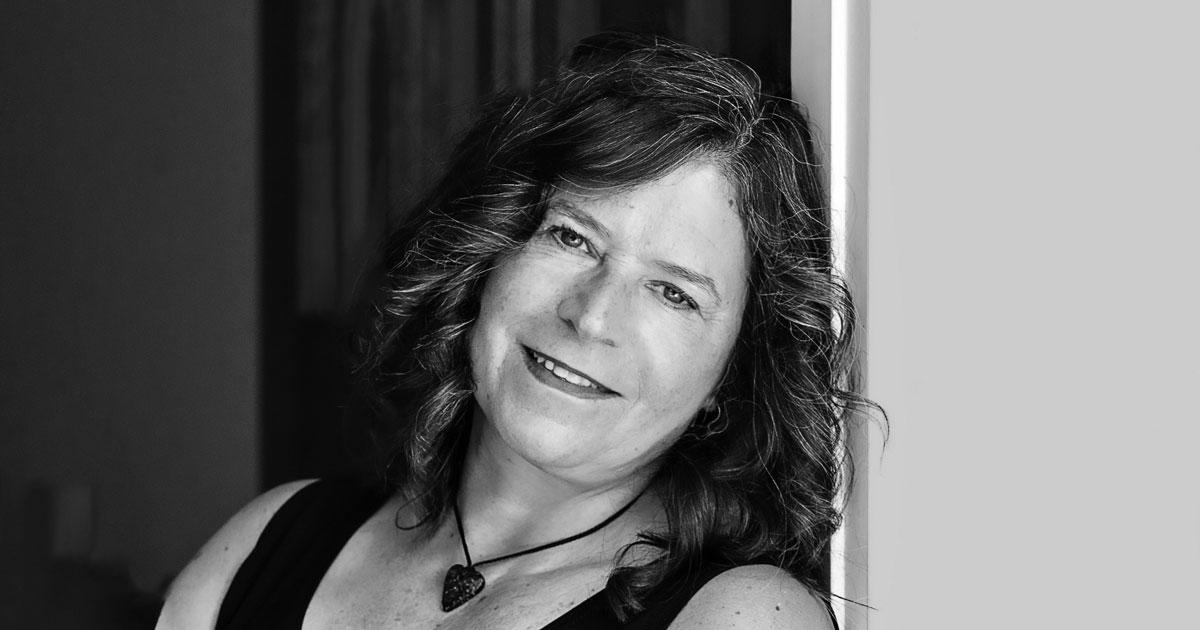
Kathleen Melin lives on her family’s ancestral farm in Wisconsin, where she cultivates creativity and a garden. In addition to writing, she works as a teacher and consultant.