I'm not sure if it was irony or if secret agents were preparing me for life's curveballs, but when I was growing up, I was obsessed with the Jerry Lewis Labor Day Muscular Dystrophy Association (MDA) Telethon. In elementary school, I sent away for the MDA carnival fundraising kit. In high school, I produced dance marathons that raised more than $4,000 for the MDA.
No one in my family or immediate circle had a neuromuscular disease; why I became involved with the MDA was a mystery. But my enthusiasm only grew when I volunteered as a counselor at one of the association's summer camps. I looked after a girl only two years younger than me; she wore leg braces and had cognitive and emotional challenges that were hard to manage. It was a tough week, but I met other campers with more typical cognitive and emotional skills whose strength and wisdom were powerful, and I never forgot the experience. My involvement with the MDA peaked in my being selected as Florida's MDA Youth Chairman in high school and flown to a conference.
Fast forward 20 years to when I found myself in a neurologist's office after several visits to a general practitioner. On certain occasions—while opening a car door or making a fist, for example—my grip wouldn't release. I watched as the neurologist conducted an electromyography (EMG) test and listened as the machine emitted revving motor sounds. By the time I left the office, I had been diagnosed with myotonic dystrophy.
I immediately contacted my local MDA office. Soon after, I attended my first monthly support group for myotonic dystrophy. Several months later the facilitator resigned, and I was asked to take on that role. That was 18 years ago. Today, our support group hosts guest speakers and offers gentle/chair yoga, tai chi, qigong, and breathing and movement practice with a mixed-ability dance group.
Without a manual or any training, I gradually learned how to accommodate people at varying stages of the grieving cycle and meet the needs of individuals as well as the group. It's been the best coping mechanism I've found for dealing with my disease.
Looking back, the mystery of my childhood obsession with all things muscular dystrophy now seems like a guidepost—one that continues to serve me every day.
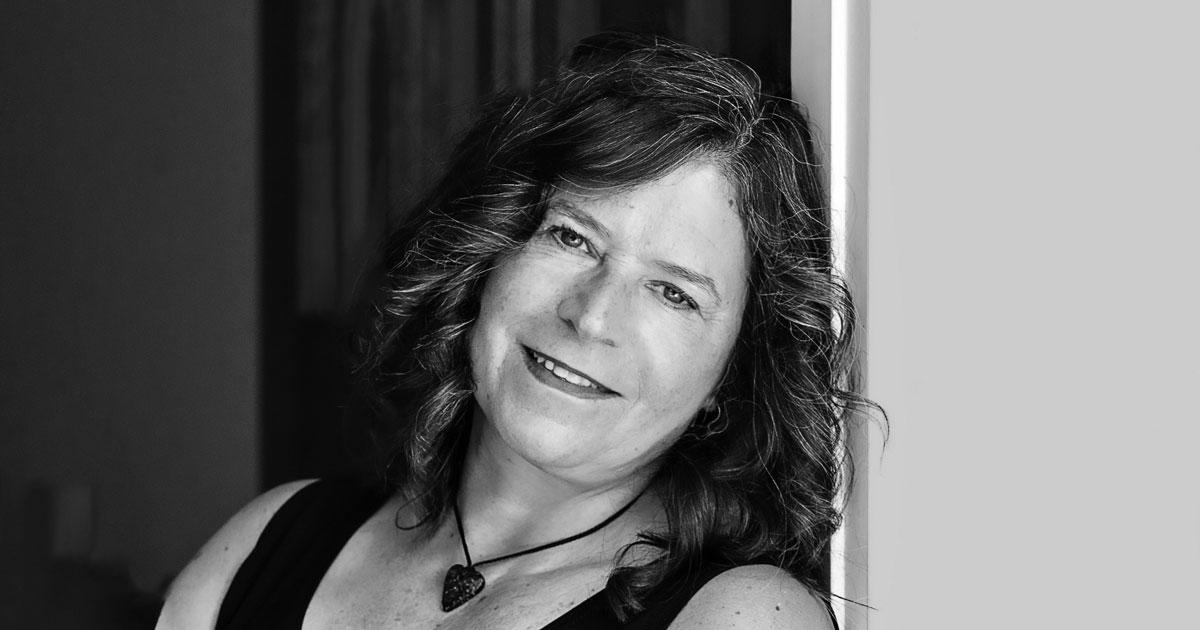
Leslie Krongold, EdD, lives in Alameda, CA, where she leads support group meetings for the Myotonic Dystrophy Foundation (myotonic.org). She also writes a blog and produces a podcast series called Glass Half Full.