How Depression and Physical Limitations Affect Weight
For those who struggle to maintain a healthy weight because of a neurologic condition, we asked two experts to identify common obstacles to a healthy weight and how to overcome them.
For those who struggle to maintain a healthy weight because of a neurologic condition, we asked two experts to identify common obstacles to a healthy weight and how to overcome them.

For those who struggle to maintain a healthy weight because of a neurologic condition, we asked nutritionist Sabrina Sitkoski (a registered dietitian, assistant director, and clinical nutrition manager at Shirley Ryan AbilityLab, a rehabilitation center in Chicago) and Nikolaus McFarland MD, PhD, FAAN, (chief of the movement disorders division in the department of neurology at the University of Florida College of Medicine in Gainesville) to identify common obstacles to a healthy weight and how to overcome them.
Depression. This can be caused by direct effects of neurologic disease on the brain as well as by psychosocial factors, such as difficulty coping with the illness, social isolation, and feelings of helplessness. In a 2018 Cleveland Clinic study published in Psychosomatics, of almost 8,000 patients with either epilepsy, multiple sclerosis, or stroke, 29 percent had depression.
Solutions: Talk therapy, medication, or some combination of them can help, says Dr. McFarland.
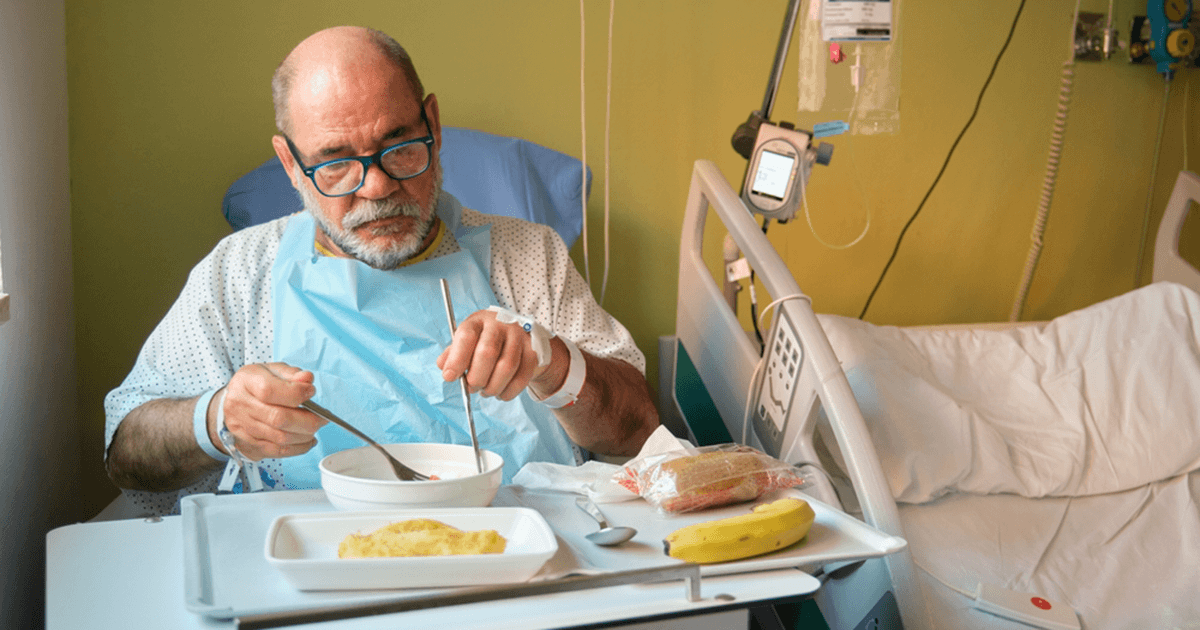
Severe motor impairment. ”This symptom can take many forms,” says Dr. McFarland. “In Parkinson’s disease, it can be bradykinesia (slowness of movement), rigidity, tremor, or dyskinesia. In Huntington’s disease, it’s involuntary movement or muscle contractions. In ALS, it’s muscle weakness,” he says. “The result is difficulty using utensils, which impedes eating independently. And people with dementia may no longer know what utensils are or how to use them.”
Solutions: “An occupational therapist can suggest adaptive strategies like weighted utensils, plates with elevated edges, and other therapies to tackle feeding problems,” says Dr. McFarland. He also recommends scheduling meals for when medications kick in.