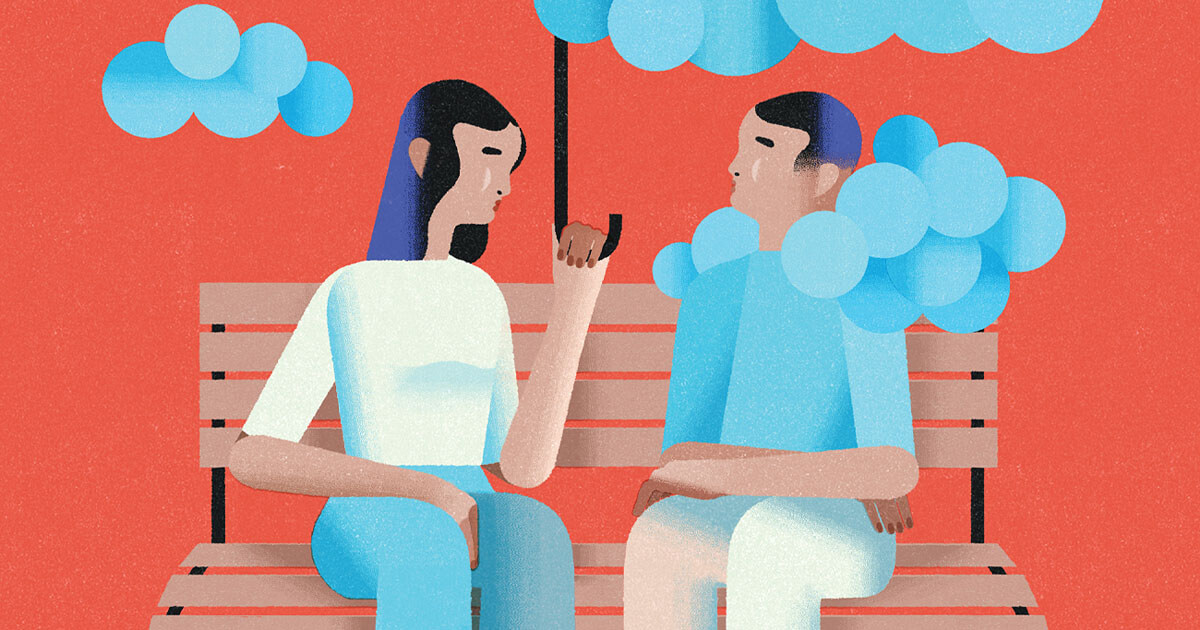
Learning to Say “No”
"No." This simple, one-syllable word is a crucial component of managing a chronic neurologic condition, but many of us don't know how or when to say it.
"No." This simple, one-syllable word is a crucial component of managing a chronic neurologic condition, but many of us don't know how or when to say it.
When I was diagnosed with Charcot-Marie-Tooth disease, the neurologist told me it causes peripheral neuropathy and would lead to muscle wasting. What we didn't discuss was that I would have limited reserves of energy, not sleep well, and expend far more effort to do the same tasks as someone without a neurologic condition.
Being able to say "no" helps me conserve energy, set priorities, and take better care of myself. I know how important it is so why is it so hard to say sometimes?
I recently had someone ask me to spend what would easily have been 100 hours of my time to support his business. For free. This was an acquaintance, someone I'd spoken to briefly on two occasions. It was a ridiculous, presumptuous request that I knew I would not and could not accept. But when it came down to responding to his email, I couldn't figure out what to say. I called my father for advice.
"How do I turn him down?" I asked.
"You say, 'No, I'm not going to do that.'"
"That's too rude. I don't want to be rude."
I could hear my dad exhale. "It's not rude."
"What about, 'Sorry, but I don't have the bandwidth to do that'?"
"You're not sorry. And don't make a fake excuse. You are just opening yourself up to getting a counter-proposal that solves your fake problem. Just. Say. NO."
In the end, I probably wasted half an hour belaboring how to turn that guy down. And that was one of the easy situations! If you are like me and struggle with saying no—even though you recognize that it's one of the best ways to take care of yourself—here are three things to remember: