Hearing Loss Tied to Higher Risk of Cognitive Decline in Older Men
An observational study suggests that hearing loss is associated with self-reported cognitive decline.
An observational study suggests that hearing loss is associated with self-reported cognitive decline.
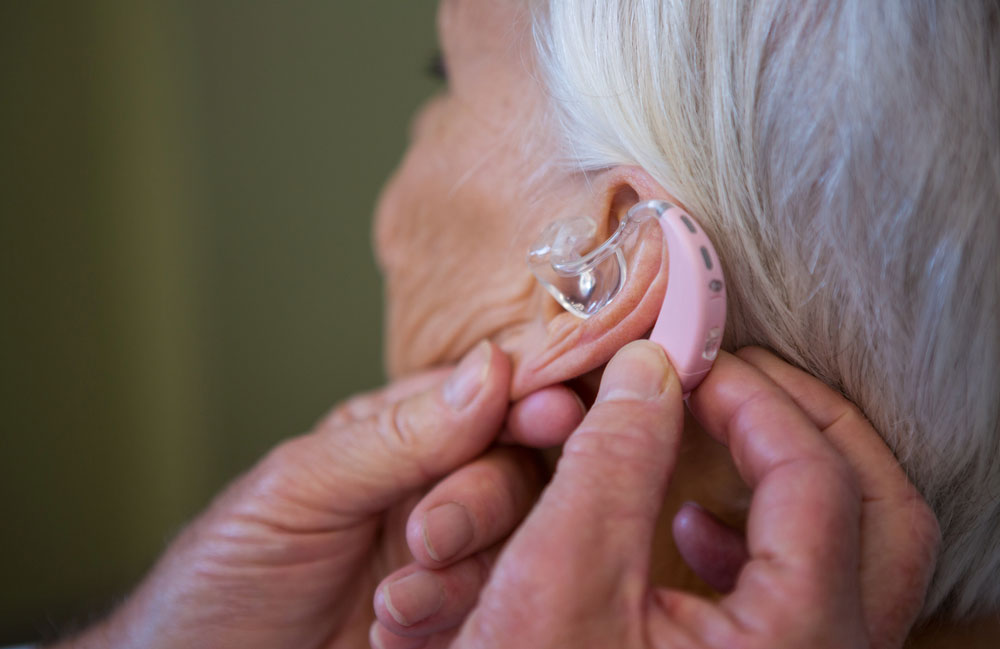
An analysis of an observational study of more than 10,000 older professional men over a period of eight years suggests that hearing loss is associated with an increased risk of self-reported cognitive decline. The results were published online in Alzheimer's & Dementia on January 29.
To determine the link between self-reported hearing loss and subjective cognitive decline, a team of researchers from Brigham and Women's Hospital and Harvard Medical School in Boston analyzed data from the Health Professionals Follow-Up Study (HPFS), a prospective study that enrolled 51,529 male dentists, optometrists, osteopaths, pharmacists, podiatrists, and veterinarians who were 40 to 75 years old at the start in 1986.
The researchers analyzed hearing- and cognitive-related data from 2008 to 2016 of 10,107 of these participants whose mean age was 62 years. The men reported their hearing status as either no hearing loss, or as mild, moderate, or severe hearing loss in 2016. In 2008, they reported no cognitive concerns.
To assess subjective cognitive function, the researchers administered six-item questionnaires in 2008, 2012, and 2016. Participants were assigned one point for each cognitive concern reported. Decline in subjective cognitive function was defined as a new report of at least one cognitive concern such as forgetfulness during follow-up.
During the study period, the researchers identified 2,771 incidences of subjective cognitive function decline.
Men with mild hearing loss had a 30 percent higher risk of cognitive decline compared to men with no hearing loss; those with moderate hearing loss had a 42 percent higher risk; and those with severe hearing loss who did not wear hearing aids had a 54 percent higher risk. Those with severe hearing loss who wore hearing aids had a risk of 37 percent, a difference that was not statistically significant, according to the researchers.
Meanwhile, the relation between hearing loss and cognitive decline did not vary by age.
"More information, particularly on whether hearing aid use provides cognitive benefits for individuals with mild or moderate hearing loss, is needed," the researchers wrote.
The researchers acknowledged that while hearing loss is associated with a higher risk of subsequent subjective cognitive decline in men, further research is needed to investigate the relationships between self-reported hearing loss, change in hearing status, and changes in cognition with different assessment measures.
Since the current findings are not generalizable, the team plans to examine the association between self-reported hearing loss, changes in hearing measures, and changes in cognition among women.
For more information about hearing loss and cognitive decline, read our article on the topic at Sound Advice.