
My first seizure happened when I was 14, and I ended up in the hospital. The doctors diagnosed me with epilepsy right away, but my parents kept the news from me to protect me. Two years later, another seizure landed me in the hospital. That’s when I was referred to a neurologist, who told me I had epilepsy.
Under the care of this neurologist, my seizures were better controlled thanks to various anti-seizure drugs. But over time the effects of the medications wore off, and I continued to have seizures.
Opting for Surgery
After a particularly scary episode hospitalized me again, my neurologist referred me to a surgeon at an epilepsy center whose specialists recommended a temporal lobectomy—a procedure that removes the part of the brain where my seizures originated.
After surgeons discussed all the possible outcomes, I chose to go through with the operation. The surgery took longer than expected because there was more damage than expected from the seizures and more brain tissue had to be removed. Although most patients can talk immediately after epilepsy surgery, I was unable to talk until four days later because of my extensive surgery. Soon I was able to take a shower and change my clothes without help.
Full Recovery
Following the surgery, I noticed deficits in my long-term memories, which my doctors attributed to the amount of brain tissue they had to remove. Physically, I improved quickly, and within seven weeks of my surgery I was able to jog and eventually returned to work as a pipe welder. Before my operation, I had been afraid to exercise for fear of a seizure. Because of my sedentary life, I was grossly overweight. After surgery, I started exercising and ended up shedding 100 pounds. When I returned to the hospital a year later, the staff barely recognized the thinner me.
New Love
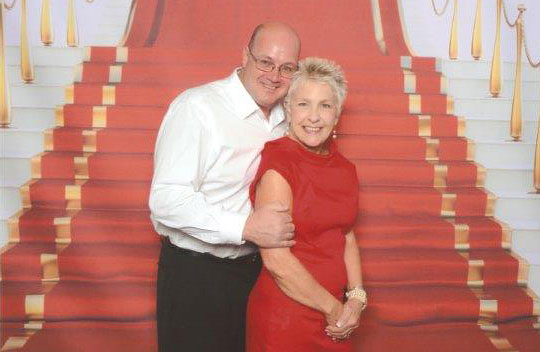
Once my doctors declared me completely free of seizures, I felt comfortable taking advantage of new work opportunities. One of those led me to Tennessee, where I met my future wife, Linda. At the time we met in 2011, she was a nurse supervisor at a local hospital and a nurse manager of a rehabilitation department that often worked with patients who sustained brain injuries. What an extraordinary coincidence, I thought. She could relate to my challenges, including some ongoing cognitive deficits. She accepted me as I was. We were married within 15 months.
New Life
Assured of a sustained, completely seizure-free life, I embarked on new adventures with Linda. We went whitewater rafting and ziplining, and I even bought a new Harley-Davidson. Our ultimate adventure was when we went skydiving in 2013 to celebrate our one-year wedding anniversary. It was as exhilarating as I had hoped, and I’ve skydived several more times since.
My life has been transformed since the surgery, and I’m grateful to have had a second chance. —As told to Paul Wynn