Summer Camp for Kids with Neurological Disorders: How to Choose the Right Program
A parent’s guide to finding an inclusive, adaptive summer camp for children with neurodevelopmental differences.
A parent’s guide to finding an inclusive, adaptive summer camp for children with neurodevelopmental differences.
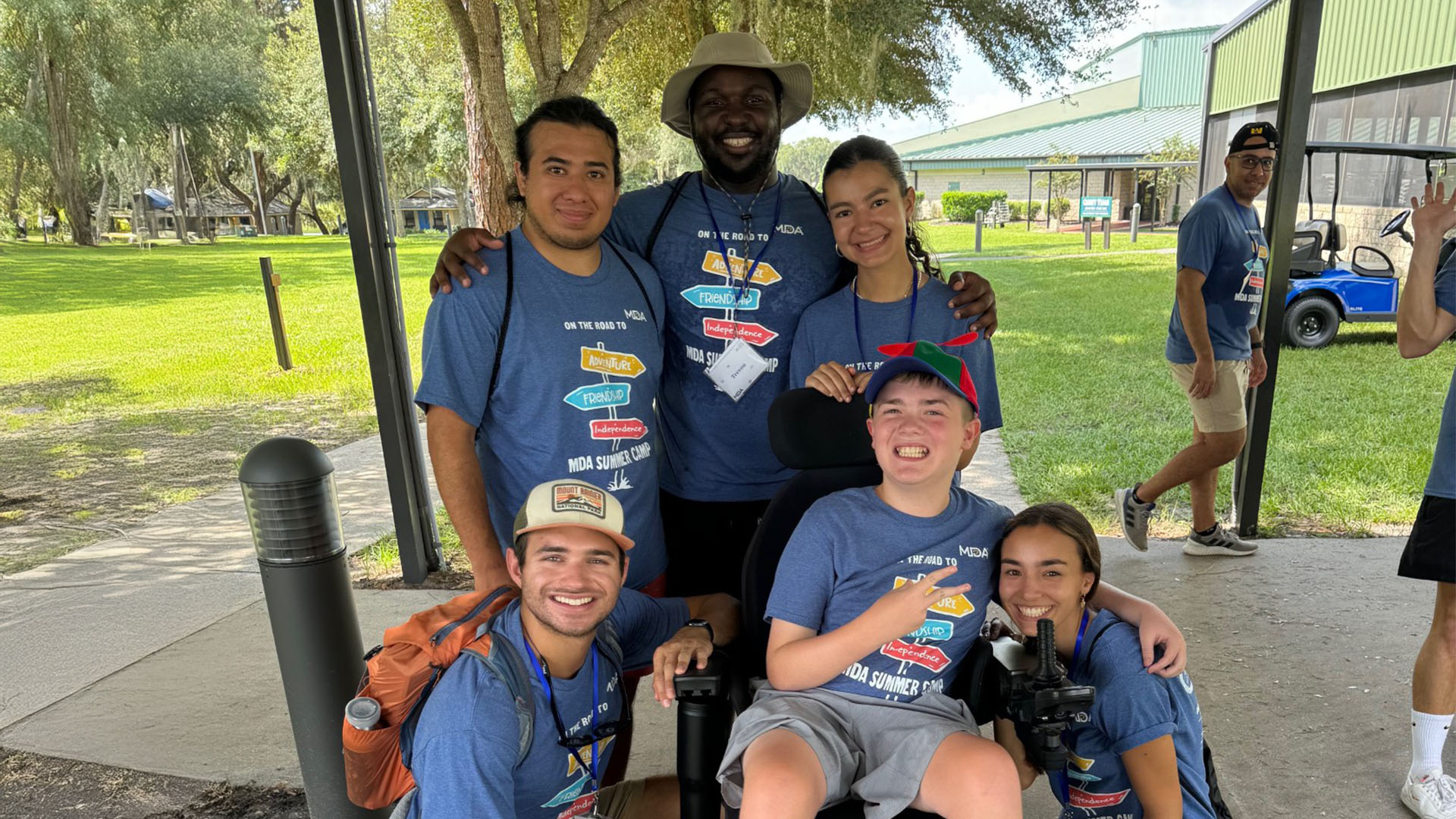
For Gavin Nobles, camp is more than just a break from his summer routine—it’s a place where his personality shines. The Florida teen, who will turn 16 years old in August, has attended Elks Camp in Umatilla, FL, since he was 8 and is known around camp as “Supercar Gavin,” a nickname inspired by his passion for supercars and his online handle.
“At camp, I’m most excited to share my passion for cars and singing. I can’t wait to perform at the camp’s talent show because I love getting on stage and making people happy,” he says.
Nobles, who lives with Duchenne muscular dystrophy, is one of 32 campers attending the Muscular Dystrophy Association’s summer program at Elks Camp, a program designed to give kids with neuromuscular conditions a safe place to explore their interests, try new adventures, and connect with others who understand their challenges and triumphs.
For Nobles and many others, camp is more than just a summer activity. It’s a place where they can express who they are, feel a strong sense of community, and be truly accepted.
Summer camp has long been a cherished tradition for American children. According to the American Camp Association, more than 11 million children and adults attend one of the country's 12,000 day and resident camps every year.
For families raising children with neurodevelopmental differences, finding the right fit often means looking beyond traditional options, and a growing number of specialized programs are making that search easier. Online resources like the American Camp Association and VerySpecialCamps.com allow families to filter by condition, location, and cost, making it simpler to find a program that truly fits their child's needs.
These camps take many forms, from structured day programs that allow children to return home each evening to overnight camps that offer a meaningful step toward independence. What sets them apart isn't fewer activities, but a different approach. Classic experiences like swimming, sports, arts and crafts, and campfires are paired with trained staff, specially adapted equipment, and care tailored to each child's needs.
One of the most established summer camp programs is offered by the Muscular Dystrophy Association (MDA), which serves registered members ages 8 to 17 living with any of the more than 300 types of neuromuscular conditions. Last year alone, nearly 850 campers attended sessions across the country, supported by more than 800 volunteers, including counselors, clinicians, and nurses. Now in its 71st year, the program will host weeklong in-person sessions plus one virtual option from June through August.
"The virtual program is a great option for families and campers who aren't ready to spend a full week away from home but are interested in meeting others and having fun," says Alicia Dobosz, executive vice president of community engagement and recreation programming at the Muscular Dystrophy Association.
What keeps families coming back goes beyond logistics. The camp is designed to foster independence, self-advocacy, and lifelong friendships, which are qualities that can be harder to cultivate in environments not built with these children in mind.
"My favorite part is just being with other kids like me, knowing that I'm not the only one that's dealing with this. It's other kids, too. We're able to take our minds off all of that hard stuff and just be one big group having a blast," says Nobles.
Stepping away from the routines of school and home, children enter an environment built around shared experiences. For people living with neurodevelopmental differences, the impact can be even more meaningful, as everyday settings often present greater barriers to connection. In classrooms, sports teams, or birthday parties, they are frequently expected to adjust to environments that weren’t designed with their needs in mind.
These camps change that dynamic. Social skills get exercised naturally through cabin life and group activities. Self-esteem follows when a child succeeds at something challenging like navigating a ropes course with physical limitations, advocating for their own needs, or simply making a friend who truly “gets it.” Most importantly, camp also offers a supportive environment to learn real strategies for managing their condition, surrounded by peers facing the same challenges.
“While at camp, kids are surrounded by other kids with neuromuscular disorders and often learn from each other in many ways that they do not have access to otherwise,” says Barry Byrne, MD, PhD, chief medical advisor and board member at the Muscular Dystrophy Association and a camp volunteer.
Camps can offer invaluable learning opportunities to all children and can even be catered to that child's specific interests. “Activities encourage team building, critical thinking, and overcoming challenges,” says Callie Hocker, MD, FAAN, pediatric neurologist with Norton Children’s Neuroscience Institute in Louisville, KY. “What’s also important is that long-lasting bonds with campers and counselors are made, and campers are often counting the days until next year’s camp.”
For many of these children, it is the first time they have ever been in a room where they are not the exception. That realization alone can be transformative.
“Finding other people who are fighting like I am, who are choosing to be happy and make the most out of life is incredibly inspiring. It made me realize, ‘wait, I’ve got this,’” says Callie Ann Hall, a high school senior with a rare, undiagnosed neuromuscular disorder who, like Nobles, goes to MDA’s Florida Elks Camp. Explore camps designed for kids with neurological disorders.
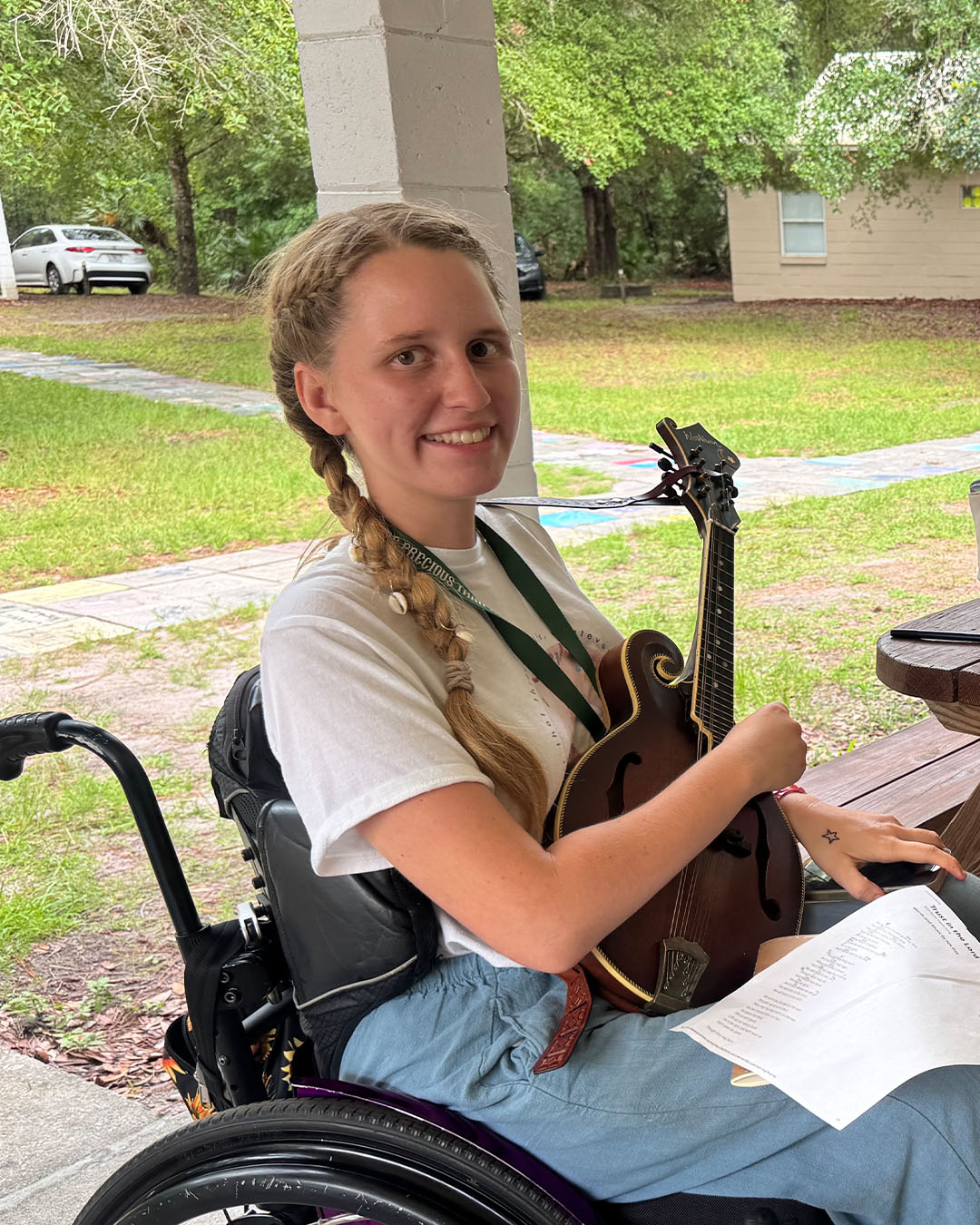
For children with complex needs, choosing the right one requires looking beyond the brochure. Medical support is the most critical starting point. Does the camp have nurses or clinicians on-site available around the clock? How are medications managed, and for children with physical limitations, what equipment is available, and are staff trained to use it?
"We require a minimum of three licensed medical professionals on site regardless of camp size and work beyond that for bigger camps," explains Dobosz. "They help review camper applications and are responsible for ensuring all medical, emotional, and personal care needs can be met."
Staff ratios and training matter just as much. A low camper-to-counselor ratio can be essential for safety, not just comfort. Ask how counselors and staff are trained and whether healthcare providers are embedded in the program on-site or simply on call.
Condition-specific experience is also worth probing. A camp that broadly serves children with disabilities isn't the same as one with deep expertise in a specific diagnosis. Ask how many campers with similar conditions attend each year and how long the program has been running. “For instance, camp leaders for children with epilepsy should be comfortable understanding a seizure action plan and administering seizure rescue medicine, as needed,” explains Dr. Hocker, who was a member of the summer staff at Camp Twin Lakes in Rutledge, GA, for campers with serious illnesses and disabilities.
Finally, consider family communication. How does camp keep parents informed, and what's the protocol if a medical issue arises?
“MDA camp has well-established protocols in place to support each camper’s medical needs, including urgent care, medication administration, and management of neuromuscular conditions,” explains Dr. Byrne, who is also an associate chair of pediatrics and director of the Powell Gene Therapy Center at the University of Florida in Gainesville, FL. “Staff are experienced and ready to walk families through these procedures, which have been thoughtfully developed and refined over many years.”
Cost is often less of a barrier than families might expect. Many specialized camps are run by nonprofits and fully funded through donations and grants, meaning attendance is free of charge. Others operate on a sliding scale or offer scholarships to families who need financial assistance. Traveling to and from camp is typically not covered, which can be a hurdle for some families, though grants are available through various foundations and organizations to help offset transportation costs.
“Another part that I love is that my camp is free to families,” says Hall. “I met a lot of people who never would have had this amazing experience otherwise and there is something wonderful about that.”
The application process for these camps varies by program, but most follow a similar path. Families typically complete a detailed application covering their child's diagnosis, medical needs, and care requirements. Some programs require membership or registration with an affiliated organization, while others are open to any child who meets their criteria.
“We want a comprehensive picture of each applicant—their needs, their health, everything that helps us support them,” says Dobosz. “Our staff and medical team go through every submission, so that when campers arrive, we're fully prepared to make sure they have a great time."
Both Hall and Nobles want others to experience what camp has given them. For Hall, it comes down to the people, independence, new experiences, and the feeling of leaving camp stronger than when she arrived. Nobles feels similar, noting that it is always a great group that meets his needs and that he never feels scared being away from home because he is respected and supported. Together, they see camp as more than just a summer experience, but as a place where confidence grows, friendships form, and lasting support that continues to shape lives long after camp ends.
Not all children flourish in traditional camp environments, prompting many families to look for programs that offer individualized support, smaller group settings, adaptive activities, and staff trained in a range of neurological disorders. More camps are intentionally designed to foster inclusion, build confidence, and ensure children can participate in enriching summer experiences alongside their peers. Explore these examples spanning a variety of communities.
Autism
Camp Royall (Moncure, NC): Operated by the Autism Society of North Carolina, this is the nation’s oldest and largest camp for individuals with autism, offering year-round programs for campers ages 4 and older. Staff are professionally trained in autism support, and sessions are organized by age and ability level to ensure activities are appropriate for each camper. During the summer, campers may attend one week of overnight camp, arriving Sunday afternoon and departing Friday afternoon.
Autism and ADHD
Talisman Summer Camp (Blue Ridge Mountains, NC): An accredited program serving young people ages 6 to 22 on the autism spectrum, ADHD, and related learning differences. Operating since 1980, the camp emphasizes social skills, confidence, and personal responsibility through adventure-based programming.
Cerebral palsy
Camp Smile (Mobile, AL): Hosted by United Cerebral Palsy of Mobile, Camp SMILE is a residential summer camp serving individuals with disabilities ages 5 to 50, along with their siblings. The camp offers four one-week, age-specific sessions each summer. Activities include kayaking, fishing, and horseback riding, supported by a one-to-one camper-to-counselor ratio to ensure individualized attention and care.
Epilepsy
Epilepsy Foundation camps (nationwide): Local Epilepsy Foundations offer award-winning summer camp programs that provide children and teens with epilepsy a safe, structured, seven-day residential experience. Staffed by pediatric neurologists, registered nurses, and trained camp counselors, the programs feature separate sessions for ages 8 to 14 and 15 to 19.
Spinal bifida
Spirit Camp (Watertown, SD): Founded in 1990 and run through Sanford Health, this camp serves children ages 7 to 17 with spina bifida. Specialty-trained doctors and nurses provide on-site care with 24-hour medical supervision. Campers take part in classic camp experiences such as arts and crafts, swimming, campfires, and sports, along with other structured activities designed to foster inclusion, independence, and social connection.