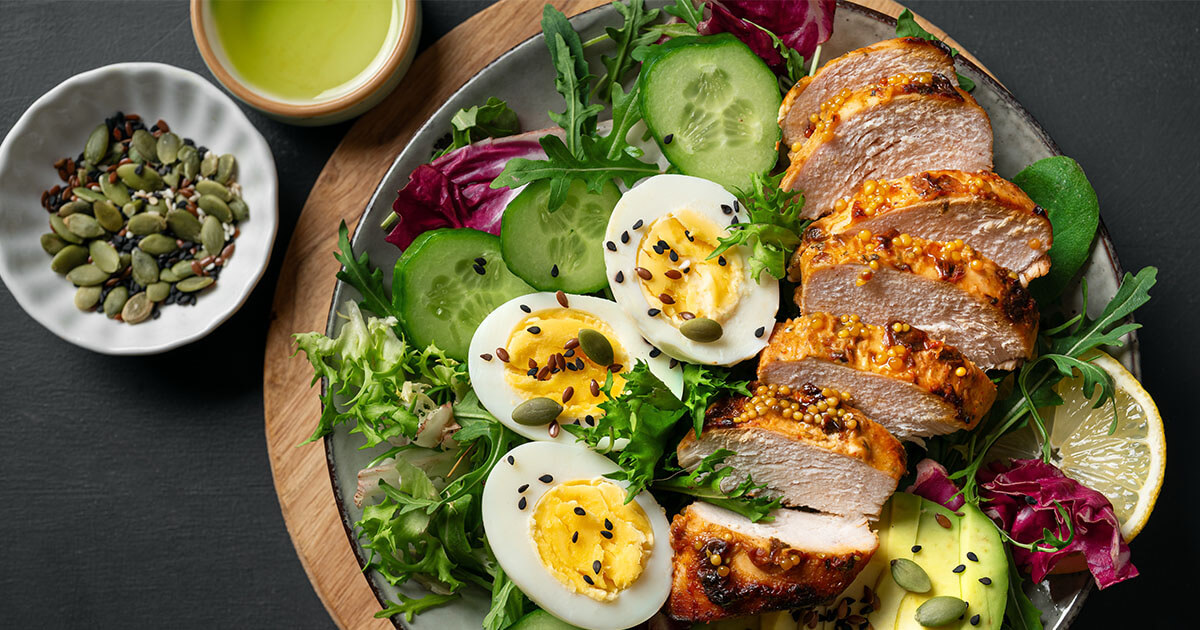
After Denise Coley was diagnosed with Parkinson's disease, she lost interest in food. “I have food apathy,” says Coley, 72, who lives in the San Francisco Bay Area. “I can go all day without eating and not notice.” To counter that, her husband, Bernard, started creating healthy salads and entrées with maximum visual appeal. “Denise eats with her eyes first, and it works,” he says. On New Year's Day, Coley enjoys black-eyed peas and collards—an African American tradition that invites prosperity and good luck—in new ways. “I have them in a salad,” she says. And her husband cooks collards with smoked turkey wings instead of fatback pork.
“People have been gathering around food for thousands of years,” says Bernard. “Don't stop because Parkinson's showed up. Make holidays fun!” The Coleys founded two social networking organizations—Special Interest Group–Black Diaspora and Shades of Strength—for Black people with Parkinson's disease and their caregivers.
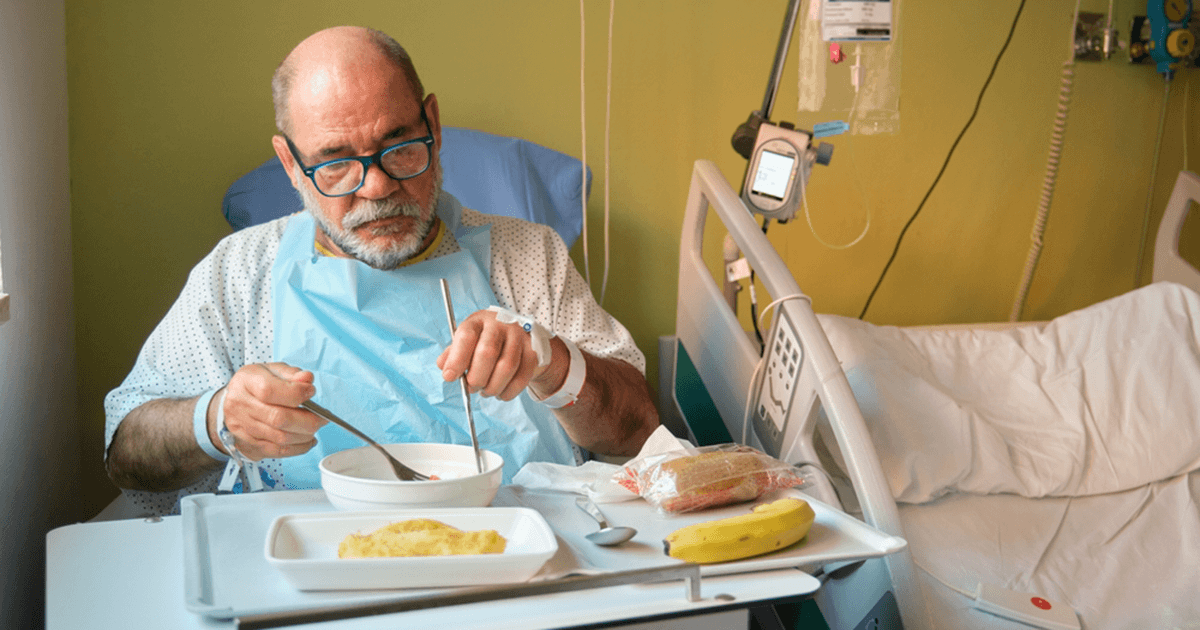
For people with neurologic disorders, eating can be challenging at any time of year. During the holidays it can be more so, especially if mealtimes are disrupted or rushed, or foods are hard to swallow or digest. “It can be both a really happy time and a stressful time,” says neurologist and lifestyle medicine physician Rachel Dolhun, MD, principal medical adviser for the Michael J. Fox Foundation. “With a little advance planning, you can indulge in the foods you love during the holidays.”
This advice from neurologists and registered dietitians can help people with neurologic disorders and their caregivers savor holiday fare to the fullest either at home, at friends' or families' houses, or at restaurants.
Be strategic with tableware. Eating from small plates can help people avoid overeating, says Jenna Wuebker, a nutrition therapist at Nebraska Medicine in Omaha. For people with Alzheimer's who may not easily recognize food, caregivers can offer blue or red plates to help them notice and consume more, says Tad Campbell, RD, assistant professor at the UT Southwestern Medical Center School of Health Professions in Dallas. People who use weighted knives, forks, and spoons at home should bring them to gatherings.
Consider easy-to-eat items. Hosts can offer foods like mashed potatoes, stuffing, and pumpkin pie filling, which are easier for people to eat if they have trouble chewing or swallowing, says Campbell. Adding extra gravy or sauce to moisten and soften foods helps too. Guests can bring pureed or finely chopped versions of favorite foods.
Allow a treat or two. Those who like treats can eat them mindfully, says Dr. Dolhun. “Think about how you once made cookies with your grandmother,” she says. “Really experience the flavor.”
Stay hydrated. Be sure to keep water bottles handy so sipping is easy, Dr. Dolhun suggests. People who drink thickened liquids can bring their own beverages or thickeners or choose naturally thick holiday drinks such as nonalcoholic eggnog, Campbell says. Guests should always find out where the bathroom is, advises Erin Presant, DO, a neurologist and culinary medicine specialist in private practice in Santa Barbara, CA.
Think before drinking. “Alcohol can affect gait and balance,” says Dr. Presant. Choose mocktails or sparkling water with fruit juice instead.
Stick to an eating schedule. Those who follow a consistent meal schedule at home shouldn't stop for the holidays, Campbell says. They can eat beforehand if the timing of special get-togethers doesn't match their routines; then at the event they can enjoy small portions of a few foods they love.
Use food to improve mood. Feeling depressed, sad, or isolated can dampen appetite, Dr. Presant says. “Planning and prepping meals ahead helps,” she adds. “People may be more apt to nosh if they have something already prepared.”
Bring a friend. Those who need help eating or using the bathroom or who tend to wander should invite someone to accompany them to a party or meal. Caregivers who are hosting may want to ask relatives or friends to help them with other tasks, like cooking, serving, and attending to guests, so they can sit with their loved ones.
Read More