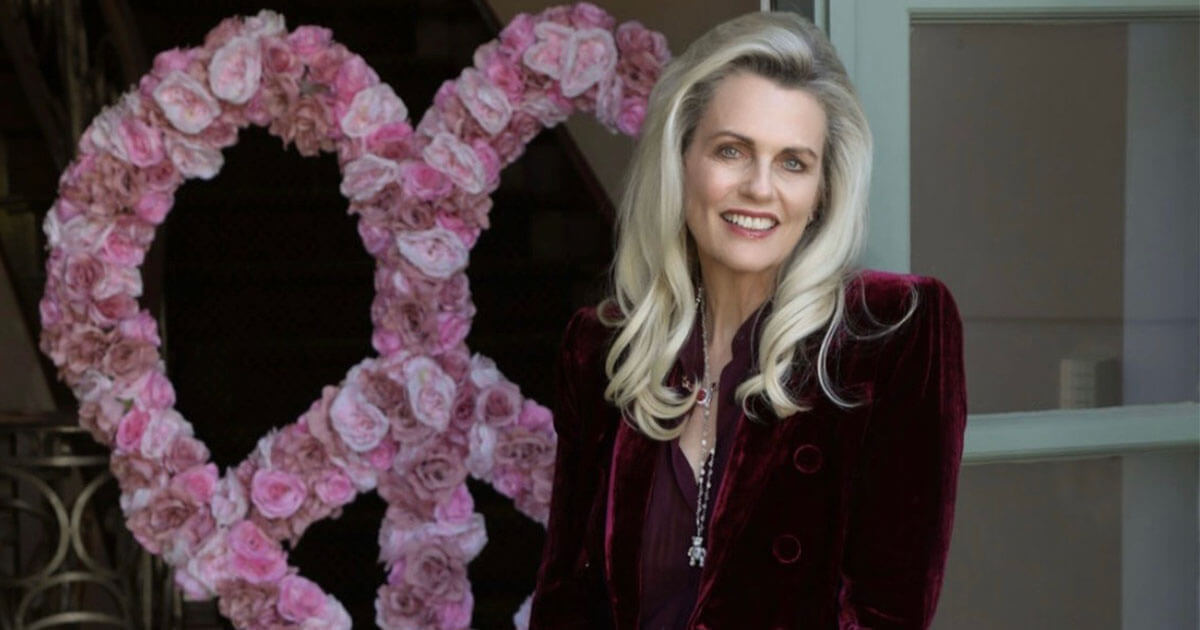
You were diagnosed with Parkinson's disease [PD] just after you finished your residency in family medicine. You were 28 and expecting your first child. That must have been a shock.
I first noticed a tremor in my right pinkie finger, which I ignored until it became concerning. That day I went to see the neurologist in my clinic, who did a physical examination and said he thought I had Parkinson's. I sought a second opinion from a neurologist in downtown Toronto, who confirmed the diagnosis. For a long time, I was in denial. I didn't want to deal with it. I had a baby and then two more. My husband and I were building a house and making social connections. I wasn't emotionally ready to accept my diagnosis. I was doing the bare minimum to take care of myself.
How did you come to terms with the diagnosis?
After some introspection, I realized I couldn't change the fact that I had Parkinson's. I knew I had to adjust my attitude, especially if I wanted to be the best parent and partner I could be. I had to let go of wanting to be a supermom—driving my kids to every event, being with them at all times. I reevaluated my role and saw it as raising productive and independent daughters. I also recognized the toll my diagnosis took on my husband. In some ways, it's easier to have this disease than to watch someone go through it.
Did you continue to work as a physician?
I practiced for 12 years after my diagnosis. Most of my patients didn't know about it. I didn't want them to think I was less than capable or effective. As my nonmotor symptoms like pain, anxiety, and poor sleep got worse, I decided to retire early.
What did you do after you retired?
I became an advocate. My husband surprised me with tickets to the Michael J. Fox Foundation gala, where I met other people with Parkinson's. I had been pretty isolated from the PD community before the gala. By the end of the event, I was asked to serve on the foundation's patient council. I have since co-founded PD Avengers, established my own website UnshakeableMD, and written a children's book—with the help of my three daughters—about the disease, called Shaky Hands.
What is your newest project?
I'm working with the Foundation for the National Institutes of Health on its Accelerating Medicines Partnership in Parkinson's Disease and Related Disorders. It's a public-private partnership that seeks to identify new biomarkers that differentiate Parkinson's disease from other neurodegenerative illnesses and to develop therapeutic targets that will lead to earlier diagnoses, better treatments, and specific interventions.
How has this disease affected your daughters?
My kids, who are now 26, 23, and 19, have learned so much about life—much more than I thought they would. They are charitable and empathetic. They know that life isn't perfect, but they also know that how they face challenges will determine what kind of people they will be. The disease has been difficult for us as a family, but it does not define us.
Do you have any advice for other people with Parkinson's?
Everyone's trajectory is different. You can compare yourself only to yourself. How do you feel today compared with yesterday, and what can you do to feel your best? I encourage people to take control of variables they can control. For me, that means exercising, getting enough sleep, being careful with my diet, engaging with others, and educating myself about my disease and how I can optimize my quality of life.