Gwenn Herman experienced chronic pain for years after being involved in a car accident in 1996. "I developed a protruding disc in my neck that caused excruciating pain," the 64-year-old resident of Tucson, AZ, recalls. "I tried everything—medications, injections, even surgery." Eventually, Herman found relief through a mix of prescription pain relievers such as nonsteroidal anti-inflammatory drugs, acupuncture, and meditation. "The latter truly saved me," she says.
About 8 percent of all American adults have tried meditation, which teaches people to be mindful of thoughts, feelings, and sensations in a nonjudgmental way, according to the National Center for Complementary and Integrative Health, a division of the National Institutes of Health (NIH). The practice involves focusing on your breath or a word or phrase known as a mantra. When thoughts or feelings arise, you acknowledge them without judgment or reaction and return your attention to your original focus. Meditation can be done walking, sitting, or lying down.
For years, reports of meditation's health benefits were anecdotal, but over the past three to five years solid research has emerged to support its proponents' claims.
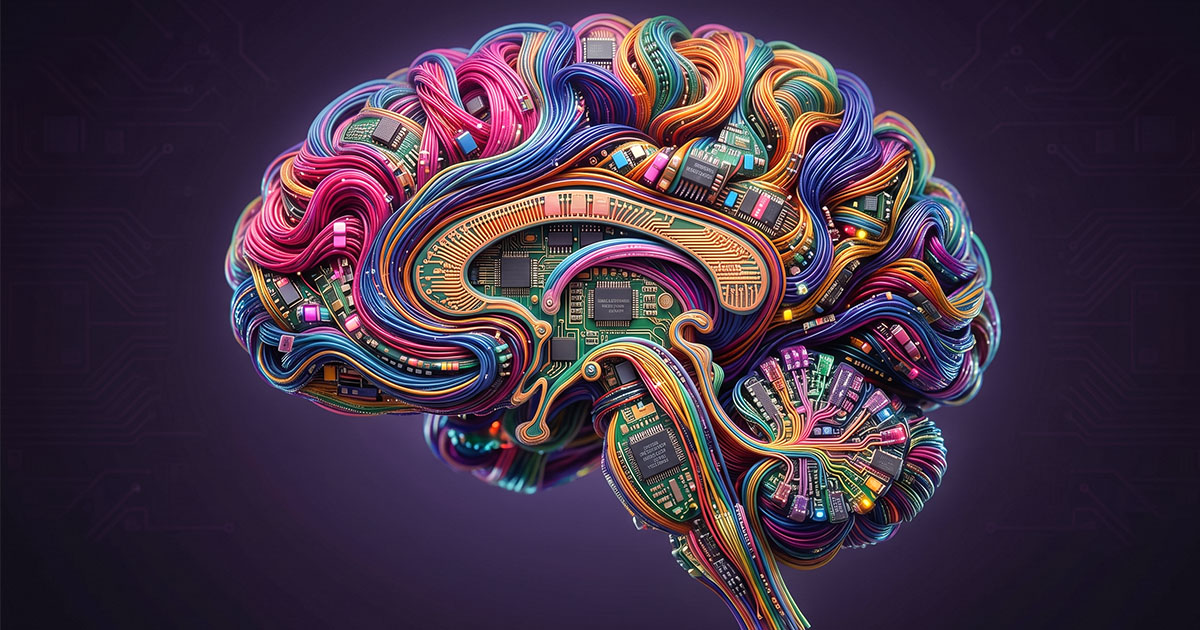
"We now have sound evidence that meditating for as little as 20 to 30 minutes a day can alter the brain's function and structure in a positive way, decreasing pain, improving focus and memory, improving mood, and even influencing the effects of aging on the brain," says Nicolas Cherbuin, PhD, director of the neuroimaging and brain lab at the Australian National University in Canberra. "We have MRI scans that show anatomic brain changes in people who meditate regularly—for example, increased gray matter and increased cortical thickness in the hippocampus, both of which improve memory and cognition."
Here, we identify six areas where meditation may help, either on its own or as an adjunct to other therapies.
Curb Chronic Pain
Research suggests that for managing chronic pain, mindfulness meditation may offer an alternative to potentially addictive medications such as opioids, or allow patients to lower the doses of these types of medication.
In a 2016 double-blind, randomized study published in the Journal of Neuroscience, meditation reduced feelings of pain by as much as 21 percent. Researchers divided 78 healthy volunteers into four groups: One group meditated for 20 minutes a day while taking naloxone, a drug that blocks opioid receptors; a second group meditated for 20 minutes and was administered a saline placebo. Two more groups served as controls: One was administered naloxone alone; the other took just the saline placebo. Researchers then applied extreme heat (alternating between 95 and 120 degrees Fahrenheit) to participants' legs to simulate pain and asked them to rate the amount of pain they experienced. After four days, the first group's pain ratings decreased by 24 percent, while the second group's discomfort decreased by 21 percent. The other two groups, by comparison, reported an increase in pain.
"We think meditation activates the prefrontal cortex, which in turn deactivates the thalamus, the part of the brain that acts as a gateway to pain," says study author Fadel Zeidan, PhD, assistant professor of neurobiology and anatomy at Wake Forest School of Medicine in Winston-Salem, NC. "Once the gateway is closed, pain decreases. Meditation also appears to use different brain pathways than opioids to block pain. This is significant for those who may have a tolerance to opiate-based drugs and are looking for a non-addictive way to relieve pain."
Results like this suggest that meditation may be a good first therapy for treating chronic pain, says Dr. Zeidan, especially since revised guidelines from the US Centers for Disease Control and Prevention recommend that doctors treat chronic pain initially without drugs or with non-opioid pain relievers such as ibuprofen. "Meditation is also an excellent supplement in situations where opioids need to be prescribed," says Dr. Zeidan. "The hope is that patients who also meditate won't have to increase the dosage as their bodies get used to these medications."
Boost Memory and Cognition
People with neurologic conditions such as Parkinson's or Alzheimer's disease experience depression, memory loss, and cognitive problems. But meditation may help mitigate some of those effects, according to a small 2016 study published in the Journal of Alzheimer's Disease. When adults with mild cognitive impairment (MCI)—a precursor to dementia—practiced either Kirtan Kriya, a type of yoga meditation, for 12 minutes at home each day and attended a one-hour weekly Kundalini yoga class or did memory enhancement exercises, those who practiced meditation and yoga reported statistically significant lower rates of depression after 12 weeks than those who did memory enhancement exercises. Furthermore, yoga and meditation were as effective as memory enhancement training in improving visuospatial memory among older adults.
Part of the effect may be due to the fact that people who meditate regularly have more gray matter in their brains as they age, says Dr. Cherbuin. "Gray matter is the part of the brain where neurons are located and where thinking occurs," he says. In a study published in the journal Frontiers in Psychology in 2015, Dr. Cherbuin examined the MRI brain scans of 100 people between the ages of 24 and 77, half of whom regularly practiced meditation (most days of the week for about 20 years, on average), and half of whom did not. He found that while both meditators and non-meditators showed age-related decline in brain matter, meditators showed a slightly lower rate of decline—a possible "brain protective" effect Dr. Cherbuin and his team refer to in the study.
In another study published in Human Brain Mapping in 2013, researchers at UCLA compared 30 healthy meditators (people who had meditated for an average of 20 years) to 30 healthy non-meditators. They found that the meditation group had bigger hippocampi than the control group. "The hippocampus controls memory and is implicated in Alzheimer's disease, so it makes sense that meditation would improve memory and theoretically reduce the risk of dementia," says Dr. Cherbuin. However, more research is necessary to determine whether meditation can prevent or delay dementia. "We still do not have any clear interventions to prevent Alzheimer's disease," says Jennifer Rose Molano, MD, FAAN, associate professor of neurology at the University of Cincinnati Academic Health Center in Ohio.
Improve Sleep
Sleep is imperative for good brain health. Research shows that people who sleep less than the recommended seven to eight hours each night have more trouble learning and more cognitive problems, according to the National Sleep Foundation. They also may be at greater risk for neurologic diseases such as stroke, Alzheimer's disease, and dementia. In addition, certain neurologic conditions such as Parkinson's disease and multiple sclerosis (MS) increase the risk of disruptive sleep.
Again, mindfulness meditation may help. In a University of Southern California study published in JAMA Internal Medicine in 2015, meditation improved sleep problems such as insomnia in adults over the age of 55.
After just six weeks, people who practiced mindfulness meditation improved their sleep: Their scores on a sleep scale improved by 2.8 points, almost twice as much as a group that attended a six-week course on sleep hygiene during which they were encouraged to practice good sleep habits such as not napping during the day and establishing a relaxing regular bedtime routine. The meditators also reported less fatigue and depression. "So much of insomnia is tied to stress: People can't fall asleep because their minds are racing," says Alexander Mauskop, MD, FAAN, director of the New York Headache Center. "But by focusing on your breathing and ignoring all other thoughts, you're creating an atmosphere where you can relax and fall asleep." Practicing good sleep habits is still important for getting a good night's sleep, says Dr. Molano, who adds that meditation may help those who experience insomnia.
Ease Migraine
Evidence suggests that meditation may help mitigate migraine.
In a 2014 pilot study published in the journal Headache, adults with migraine who followed an eight-week mindfulness-based stress reduction program that combined meditation and yoga for two hours a week plus one six-hour retreat experienced less overall disability and shorter migraines than those who didn't do the intervention.
"Meditation stops the brain from being overactive, which may in turn slow down the pain messages bombarding brain cells," says Dr. Mauskop. "The brain also seems to change its structure with meditation: Some research shows an increased thickness in the temporal lobe, the part of the brain that processes pain. As a result, you may be able to improve your tolerance of migraine attacks."
Fight Depression
Depression and neurologic disease often go hand in hand: 50 percent of people with Parkinson's disease, for example, experience some form of depression during their illness, according to the Parkinson's Foundation. But new research suggests that meditation may help ease depression. A study published in 2016 in the journal JAMA Psychiatry found that people who followed a mindfulness-based cognitive therapy, which trains the brain to deal with negative emotions using meditation techniques, were 31 percent less likely to experience a depression relapse over 60 weeks than people who did not practice the therapy. A 2014 review of 47 studies published in JAMA Internal Medicine found that daily meditation modestly improves symptoms of anxiety and depression.
Add exercise to the mix and meditation's effect is even greater. A 2016 Rutgers University study published in the journal Translational Psychiatry found that people who participated in a program combining meditation and aerobic exercise—in which they practiced seated meditation for 20 minutes, followed by 10 minutes of meditation while walking slowly, followed by a 30-minute cardiovascular workout—reduced symptoms of depression by nearly 40 percent.
Start Now
The positive effects of meditation on the brain appear to occur fairly quickly. When people meditated every day for eight weeks, they showed changes in parts of their brain such as the hippocampus, the cortex, and the amygdala (the center of emotional behaviors in the brain), similar to people who had been meditating for years, according to a 2016 study published in the journal Brain & Cognition. "People have this idea that you have to practice for hours and do it for years, but the reality is it's never too late to start," says Dr. Cherbuin.
Gwenn Herman agrees. "I didn't realize that if I did it for only five or 10 minutes I would see benefits. I have become so good at it now that I can do it without even realizing it. As soon as my pain gets to a certain level, I start to breathe deeply, close my eyes, and automatically go into a meditative state," she says. Herman says she visualizes stretching her neck or imagines a soothing ice pack placed on the area to melt pain away. "Within minutes, my agony disappears."
Meditation: How to Get Started
Meditation is accessible to anyone, even people with neurologic diseases or who are recovering from a stroke. "You can do it in a wheelchair, you can do it in a hospital bed—you can do it anywhere," says Alexander Mauskop, MD, FAAN, director of the New York Headache Center.
"You want to focus on one thing, whether it's a soft sound, your breathing, or a mantra you repeat over and over, for as long as possible, whether it's five or 50 minutes," he explains. "As long as you ignore everything else, you'll calm your brain and experience benefits."
Here are three tips to get you started:
PICK YOUR PLACE. You can sit comfortably in a chair or on a pillow and quietly chant "om" or stare at a candle. Or incorporate meditation into a walk by silently repeating a word such as "peace" with every step, says Amit Sood, MD, professor of medicine at Mayo Clinic and author of The Mayo Clinic Guide to Stress-Free Living (Da Capo Books, 2013). If you're in a hospital room, you could silently send each person who walks by a wish for his or her happiness and general well-being. This also calms the mind and replaces any negative feelings with positivity, which is healing. "After a few minutes, you'll start doing this automatically, and you'll find you've naturally entered a contemplative state," says Dr. Sood.
START SMALL. Most people meditate for three to five minutes when they first start, says Dr. Sood. You can try this simple exercise: Sit quietly, and as you breathe in, imagine your brain filling with light. Exhale. Breathe in again, imagining your heart filling with light, then exhale. Repeat, alternating between brain and heart for two to three minutes. Begin with five-minute sessions, and as you become more experienced and comfortable, gradually work your way up to 10, then 15, then 20 minutes.
FIND AN APP FOR GUIDANCE. Plenty of apps are available to keep you meditating and in the moment. And they can be useful for helping you get started and guiding you through your first meditation. They can also help you stick with it, says Dr. Mauskop. Many of these apps also allow you to set reminders on your phone to meditate at different points during the day, and some even text you daily doses of inspiration. (Just remember to turn your phone off once you start meditating, since you don't want to be distracted by pings.)
Meditation Apps
- Calm (calm.com )
- Headspace (headspace.com )
- Mental Workout (mentalworkout.com )
- Simple Habit Meditation (bit.ly/SimpleHabit-Meditation)
- Smiling Mind App (bit.ly/smiling-mind-app )
- Stop, Breathe & Think (stopbreathethink.org )