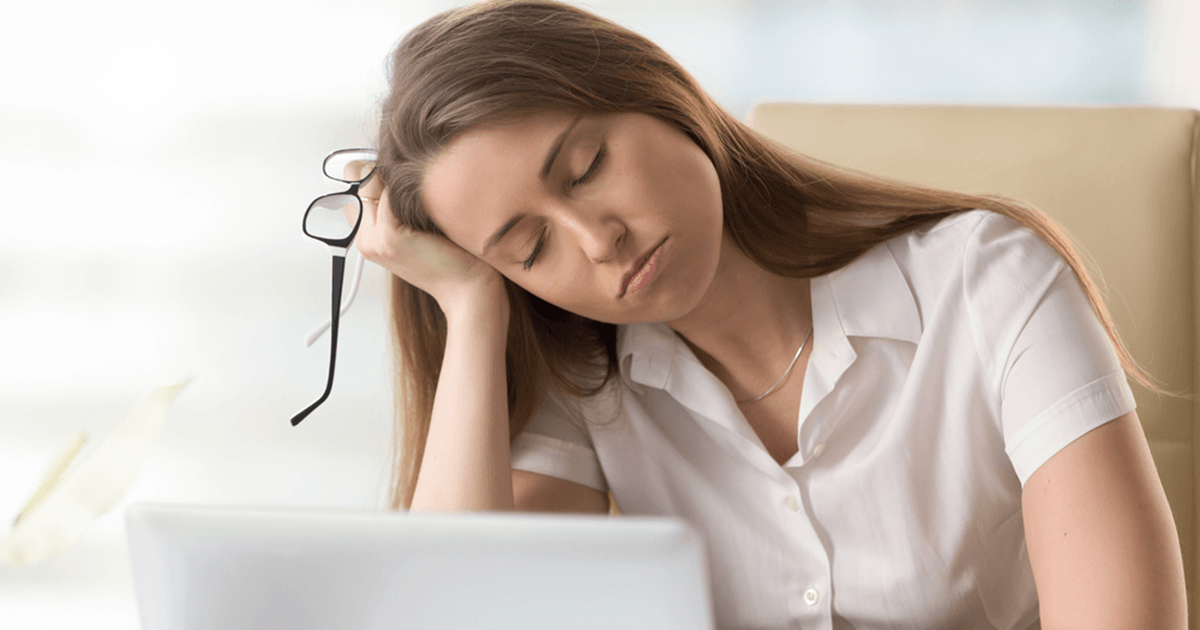
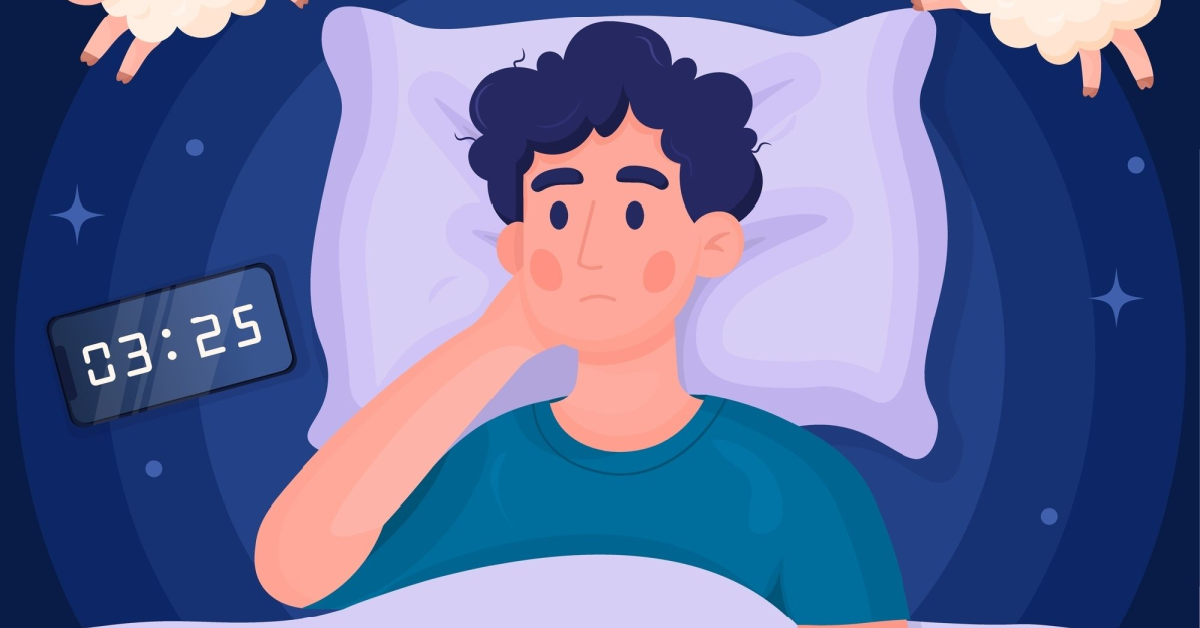
Limit screen time. Blue light tricks the brain into thinking the sun is out, and it can interfere with the production of melatonin, the hormone that makes you sleepy, says Daniel Barone, MD, associate professor of neurology at Weill Cornell Medical College in New York City. Stop using your cellphone and computer 30 to 60 minutes before bedtime, he advises.
Separate work from rest. Working from home can contribute to poor sleep because you may be working in the same space where you rest, says Dr. Barone, who encourages people to separate these areas as much as possible and develop a distinct work routine at home. “In the morning, get up, take a shower, get dressed, then maybe take a walk around the block,” he says. “Do your work during the day, and at the time when you'd leave to go home, take that walk again.”
Don't ignore sleep problems. Any suggestion of a sleep disturbance should be evaluated and treated and not just attributed to age or some other circumstance. “I had one patient tell me he thought he was supposed to sleep poorly because he was older,” says Brendan P. Lucey, MD, head of the sleep medicine section at Washington University School of Medicine in St. Louis.
Practice good sleep hygiene. Stick to a schedule of going to sleep and waking up around the same time every day, says Dr. Lucey. Avoid napping during the day, and keep your bedroom dark and quiet at night. A cool temperature is also important. As bedtime approaches, our bodies naturally begin to slow and cool down, which lowers the metabolism rate and signals that it's time to rest. The National Sleep Foundation says turning down the thermostat in winter to between 60 and 67 degrees enhances sleep. In summer, using a fan or air conditioner and sleeping on a cooling mattress or pillow can help keep your body temperature down.
Listen to your body. A measure of a good night's sleep is that after seven to eight hours of rest, you wake up without an alarm. “If the body wakes naturally, you've had enough sleep,” says Erik St. Louis, MD, director of the Sleep Behavior and Neurophysiology Research Lab at Mayo Clinic in Rochester, MN. “If you need an alarm to wake up or keep hitting the snooze button, you may need to extend your sleep so your brain and body awaken naturally.”
Read More
What Researchers Are Learning About Brain Health by Studying Sleep