Slice your finger with a kitchen knife, get bitten by a bug, or catch the flu, and you'll soon experience the side effects of inflammation—the immune system's powerful mechanism for healing damaged tissue and battling invading germs. You may notice swelling, redness, or pain from the bite or cut, or develop a fever and fatigue. These are all signs that short-term inflammation is protecting your health.
But inflammation has a downside. If it becomes chronic—due to aging, poor diet, lack of exercise, obesity, diabetes, or atherosclerosis—it may contribute to thinking and memory problems, Alzheimer's disease and dementia, stroke, and other neurologic conditions, says Keenan Walker, PhD, director of the Multimodal Imaging of Neurodegenerative Disease (MIND) unit at the National Institute on Aging, where he studies inflammation, immunity, and Alzheimer's disease.
In the past few years, research has clarified the influence of inflammation on various neurologic conditions. According to a Boston University study published in JAMA Network Open in 2018, people with a common genetic risk for age-related Alzheimer's were nearly twice as likely to develop the disease over 17 years if they also had chronic low-level systemic inflammation. A study published in Neurology in February 2019 that looked at brain health and inflammation in 12,336 adults found that those with the highest blood levels of four inflammatory compounds at midlife had the biggest drops on thinking and memory tests 20 years later. In another study, published in the September 2020 issue of Nature, researchers at Memorial Sloan Kettering Cancer Center found a link between inflammatory compounds called cytokines and Alzheimer's disease: The cytokines prompted brain cells to produce a protein called IFITM3, which contributed to increased production of the hallmark brain plaques of Alzheimer's.
There's also evidence that inflammation plays a role in depression, Parkinson's disease, multiple sclerosis (MS), fibromyalgia, amyotrophic lateral sclerosis (ALS), and other brain disorders, according to a March 2018 review in the journal Frontiers in Cellular Neuroscience.
Inflammation may destroy thread-like axons that carry signals between brain cells or may interfere with brain cells' ability to use glucose (blood sugar) for fuel, Dr. Walker says. In Parkinson's disease, inflammation that has its source in gut bacteria may lead to brain cell death, says Silke A. Cresswell, MD, associate professor of neurology at the University of British Columbia in Vancouver. In MS, inflammation spurs the immune system to attack the myelin coating on nerve cells, says David A. Hafler, MD, FAAN, chair of the department of neurology at the Yale School of Medicine in New Haven, CT. Inflammation also can rupture plaque in artery walls, allowing clots to travel to the brain and cause a stroke, says Jun Li, MD, PhD, a researcher in nutrition and epidemiology at the Harvard T.H. Chan School of Public Health in Boston.
As evidence accumulates about the dangers of chronic inflammation, scientists are looking at how food can aggravate or ease the problem. An observational study of diet and cardiovascular disease in 210,145 people, published in the Journal of the American College of Cardiology in November 2020, found that those whose diets included the most inflammation-boosting foods (such as red and processed meats, refined carbohydrates, and sugar-sweetened drinks) had a 28 percent higher risk of ischemic stroke than those who consumed more anti-inflammatory foods (including whole grains, leafy greens, and fruit).
Researchers are also exploring the potential for anti-inflammatory diets to aid recovery after traumatic brain injury, says Ramon Diaz-Arrastia, MD, PhD, director of the Traumatic Brain Injury Clinical Research Center at Penn Medicine and professor of neurology at the Perelman School of Medicine at the University of Pennsylvania. “The work so far is mostly preclinical but shows some promise,” he says.
Other ways to help control inflammation include exercising regularly, maintaining a healthy weight, and preventing or managing conditions such as high blood pressure and diabetes. To tweak your diet, Dr. Li says, make the following changes.
Avoid processed foods
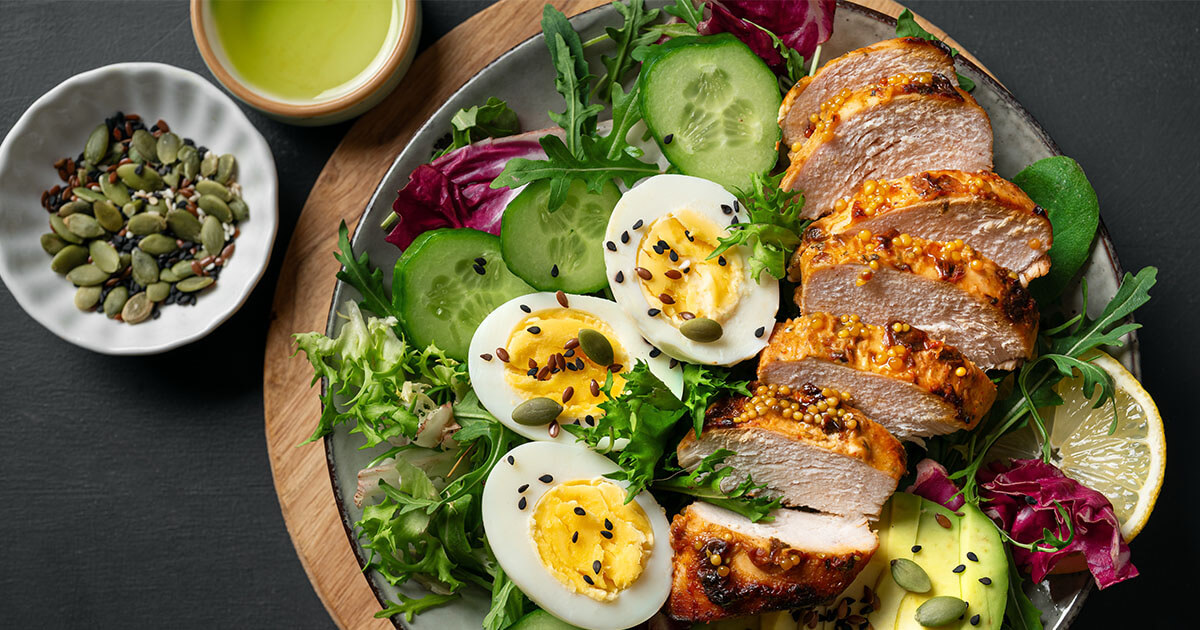
Eating more produce, whole grains, legumes, and nuts as well as lean protein such as chicken and fish reduces the risk of inflammation-related cardiovascular problems, including stroke, Dr. Li says. So choose chicken or fish rather than red meat or processed meats; replace refined grains like white bread and white rice with whole grain bread and brown rice; and drink unsweetened flavored water instead of sugary soft drinks. It is theorized that the antioxidants and polyphenols (plant compounds) in whole foods likely work together to reduce inflammation that affects cognition and Alzheimer's disease risk, according to a 2019 review in the journal Current Nutrition Reports.
Make better choices on the go
Try to bypass fast food, which tends to be highly processed. But if you can't resist all the time, you can still avoid the most inflammatory foods. Say no to french fries and sugary soft drinks. Have a green salad or a piece of fruit and unsweetened iced tea or coffee instead. Leafy greens, fruit, tea, and coffee were all part of the low-inflammation eating pattern associated with lower stroke risk in Dr. Li's 2020 study. “We think this pattern works because it includes fewer foods that drive up inflammation and more foods that suppress it,” she says.
Skip the supplements
An overall healthy diet is the best nutritional strategy for controlling inflammation, Dr. Li says. Evidence for individual nutrients like antioxidant vitamins or fish oil capsules isn't as strong. “A lot of people take fish oil capsules after a brain injury, but eating fish itself is probably better,” Dr. Diaz-Arrastia says.
10 Smart Anti-Inflammatory Food Swaps
- Swap sweetened drinks for coffee, tea, or water without added sweetener
- Swap french fries for green salad with a drizzle of olive oil
- Swap processed lunch meat for sliced chicken or nut butter and sliced fruit
- Swap bacon, sausage, or ham for sliced tomatoes
- Swap red meat for chicken or fish
- Swap white bread for whole-grain bread
- Swap white rice for brown rice or another cooked whole grain
- Swap pasta for leafy green or dark yellow vegetables or beans
- Swap pretzels and chips for a small handful of nuts
- Swap a packaged dessert for fresh fruit
Learn More
For recipes with anti-inflammatory ingredients, read Dishes That May Curb Inflammation.